Marbleseed Conference
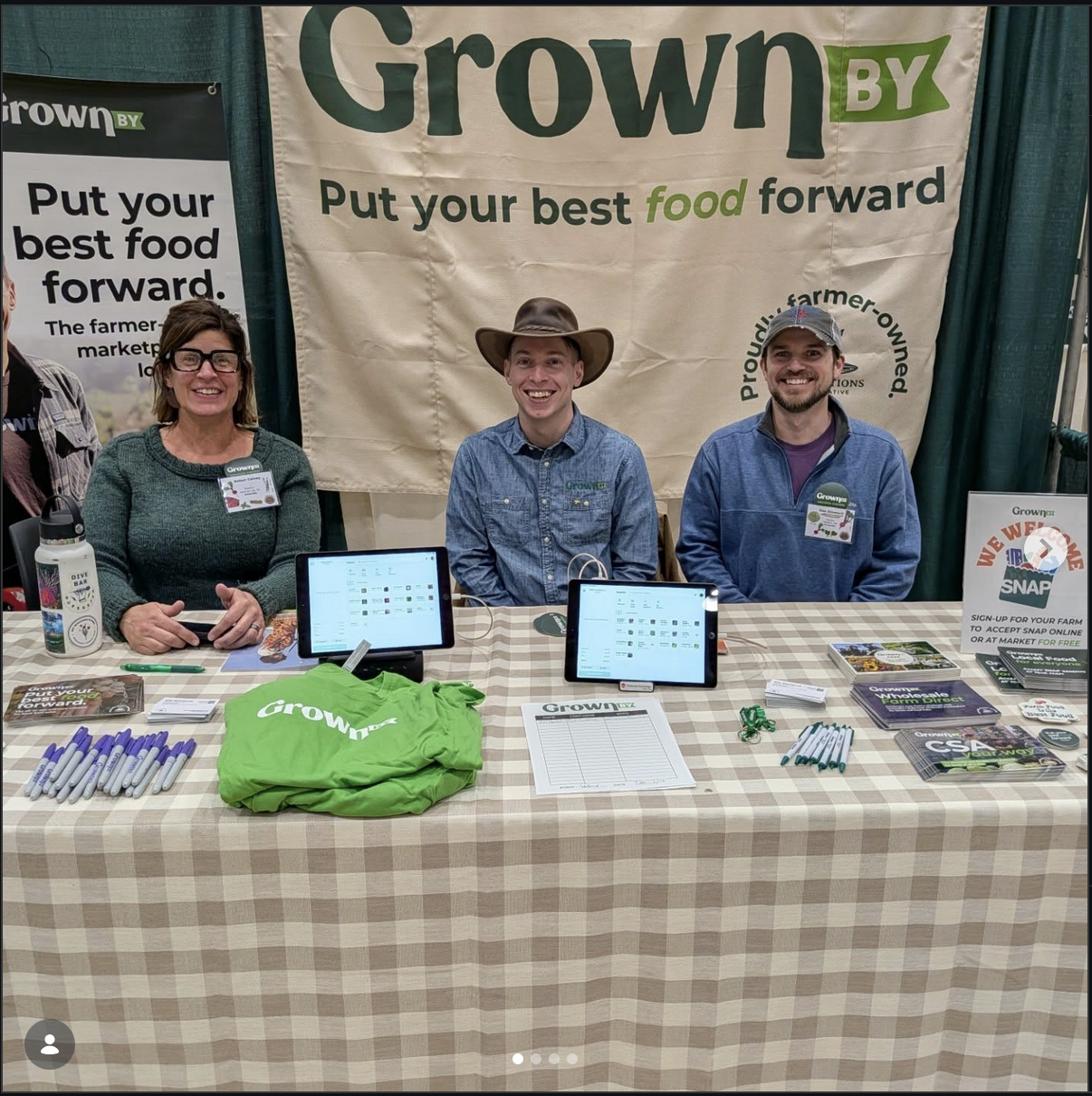
Lara and I spent last weekend at the Marbleseed Conference in LaCrosse, Wisconsin. It’s a conference for small scale organic farms to come and learn, network and share ideas about how to be better farmers and improve the food system. This conference often gets the gears in my head turning about ways I can improve Cedar Crate Farm and also has me thinking about our food system more broadly. While there were many so called take-away nuggets of information gleaned at this conference, I want to share two of them with you today. One is a practical tool we can implement on our farm this season and another is an observation of the food system more broadly.
Takeaway 1: The Practical Tool
One of the presentations we attended was from a researcher from the University of Wisconsin - Madison who presented on some new tools they’re developing to improve disease and insect management for farmers. Essentially, bug and disease life cycles strongly correlate with weather: usually heat and humidity. By putting together knowledge on disease and insect life cycles with known weather data we can make predictions about when certain diseases or insects will have intense pressure. Knowing this then allows us as farmers to implement management practices to help reduce insect and disease damage. The folks at University of Wisconsin have even built an online tool where I can plug in my farm zip code and it will automatically pull weather data and make predictions about when disease and insect pressure will be worst for a host of pests. We’re really excited to give this a try this season!
Takeaway 2: The Industrial Food System Is Broken and Farms Like Ours are the Fix
Austin Frerick - an Iowa native - is the author of Barons: Money, Power, and the Corruption of America’s Food Industry and presented on not only this work but upcoming work he’s doing on solutions to the problems laid out in Barrons. Barrons examines the food system through “robber barrons” in several segments of the food system. Robber Barrons within the food system include large meatpackers like JBS and Smithfield Foods, Driscolls in berries, Wal-Mart in Grocery. Frerick argues that each of these companies employ anti-competitive practices while simultaneously benefiting from government subsidies while providing no benefit to consumers. Prices are not lower and the food quality from large companies is abysmal. If you eat you should read this book.
I often go back and forth feeling proud to be part of a solution to the broken food system but also feel incredibly disheartened to see the slow rate of change around me. We as a country are rooted in a farming and food system that externalizes costs and produces bad products. We are now at a point as a country where we import more fruits and vegetables from foreign countries than we produce ourselves. Isn’t that crazy?! The produce that is imported is not good - think about those pale barely pink tomatoes and strawberries that are hard and flavorless. They’re engineered to be shipped internationally and not for flavor.
Our farm is part of the solution. Not only do we grow really delicious food but we also serve as a connection point for developing community around food. These two acts while seemingly small could be duplicated across agricultural lands all over the country. Imagine tens of thousands of farms like us growing vegetables, fruit, meat, eggs, honey, herbs, and so much more. Food is one of the best common denominators we have as humans.
You are an important piece of this puzzle. By supporting our farm at the Farmers Market, by being a CSA member, or shopping our online store you making a powerful statement. You’re saying that at least some of your food dollars should stay within the community. You’re rejecting the narrative that only large corporations and farms can feed us. You’re saying you value freshness, flavor & quality over the convenience of the supermarket. It may seem small but to us it means the world!