Planting!
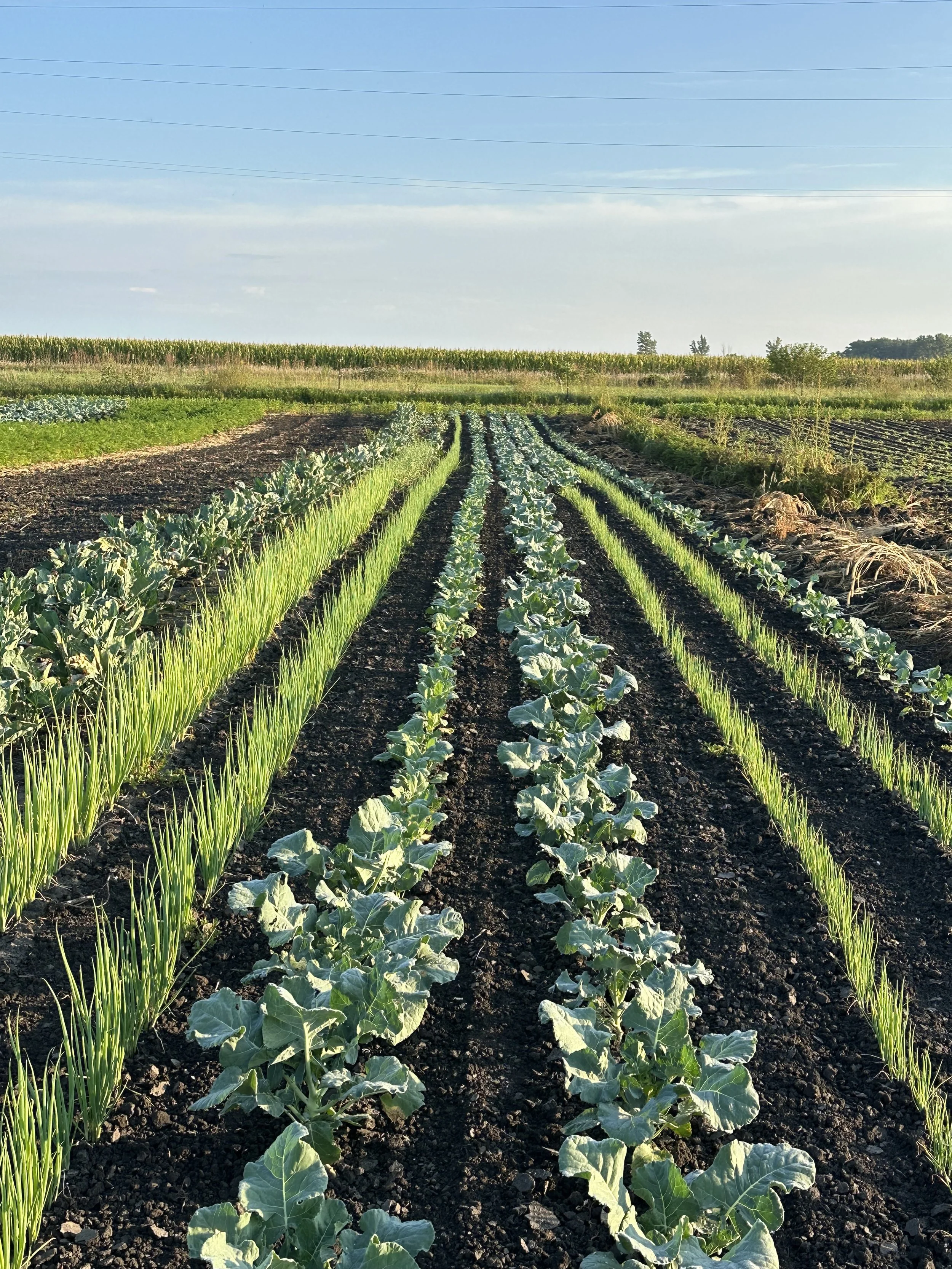
We were finally able to squeeze in a few days of planting outside of our tunnel over the past weekend. We put in several long days but we were able to get completely caught up on planting. Over the weekend we planted the following: potatoes, onions, peas, carrots, spinach, beets, kohlrabi, kale, arugula, popcorn, sweet corn, lettuce, swiss chard, and radish. In this post, we’ll go over a few of the tools we use for planting.
Tractor & Tiller

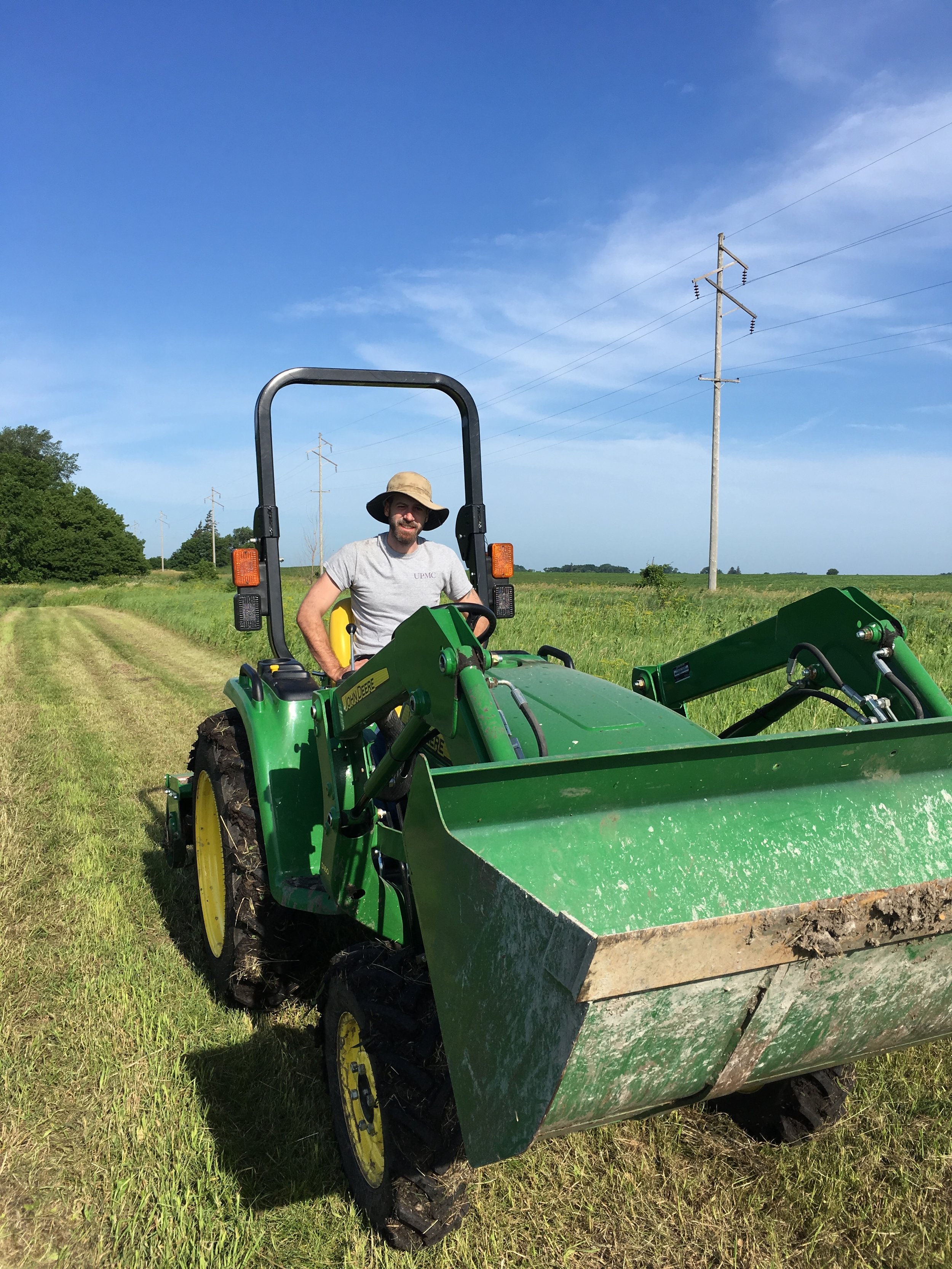
Our tractor and tiller, brand new in late 2016.
We use our John Deere tractor and tiller to prep the ground for planting. The tiller helps to break down residual matter from the previous year and to help soften the soil so that we can plant easily into it. It also helps us kill the first flush of weeds that started growing (though it also brings new weed seeds to the surface).
Tilling is a destructive means by which to prep soil. We try to mitigate the destructive potential through a variety of means. First, we only till very shallowly - about 2-3” deep so that we don’t disturb the deeper soil structure. Second, we plant cover crops as much as possible. Cover crops have amazing potential to help rebuild soil structure as well as many other benefits such as attracting beneficial insects, fixing nitrogen from the air into the soil, and suppressing weeds. We also use animal manure as our fertilizer source. Animal manure helps rebuild soil structure by introducing rich, organic matter in a form more stable and available to plants. Finally, we minimize our fall tillage (we use a chisel plow in the fall) to only the areas not under cover crop. These areas are where we have long season crops like winter squash, popcorn, and most melons.
Push Seeder

One of my favorite planting tools is our Hoss Tools push seeder. The seeder has individual plates with holes of varying sizes and spacing to accommodate the various sizes of seeds we plant. It works by a drive wheel that rotates the seed plates and drops the seeds into the ground. The seeder also has adjustable depth.
I like the seeder because it’s so versatile. We have multiple plates and can plant nearly any type of seed. Not only that but we can get blank plates - that is, plates without pre-drilled holes, that we can use to create our own size and spacing! This gives us a lot of flexibility at a minimal cost and saves us hours of labor.
Wheel Hoe w/plow Attachment

We also use the Hoss Wheel hoe with plow attachment for onions and potatoes. Seed potatoes are just quartered potatoes - they’re too big and bulky for our seeder so we have to plant them by hand. We plant onion sets which are onions that have grown to about the size of a marble, then harvested and dried to be replanted the following year. We use the wheel hoe to plow open a furrow for planting. After we planted, we flip the plows around and cover the furrow.
Misc. Tools
We use a few other miscellaneous tools to help plant. We use an iPad for our record keeping, recording the date and row feet of crop planted. We use fence posts with string to help keep our rows straight an evenly spaced. We use a measuring wheel to help us make accurate length of rows.
Seed starting and our first tunnel.
It’s hard to believe all the snow we had this winter is gone! Even harder to believe is how quickly it melted. We really couldn’t have had better weather for melting the snow and helping our spring along. We’ve been busy in the past month getting prepped for seed starting and starting seeds! In the next few days we’ll even plant our first transplants outside! It’s an exciting time of year filled with hope of another bountiful season. In this post we’ll go through our seed starting setup and talk a little about how the setup of our first caterpillar tunnel went.
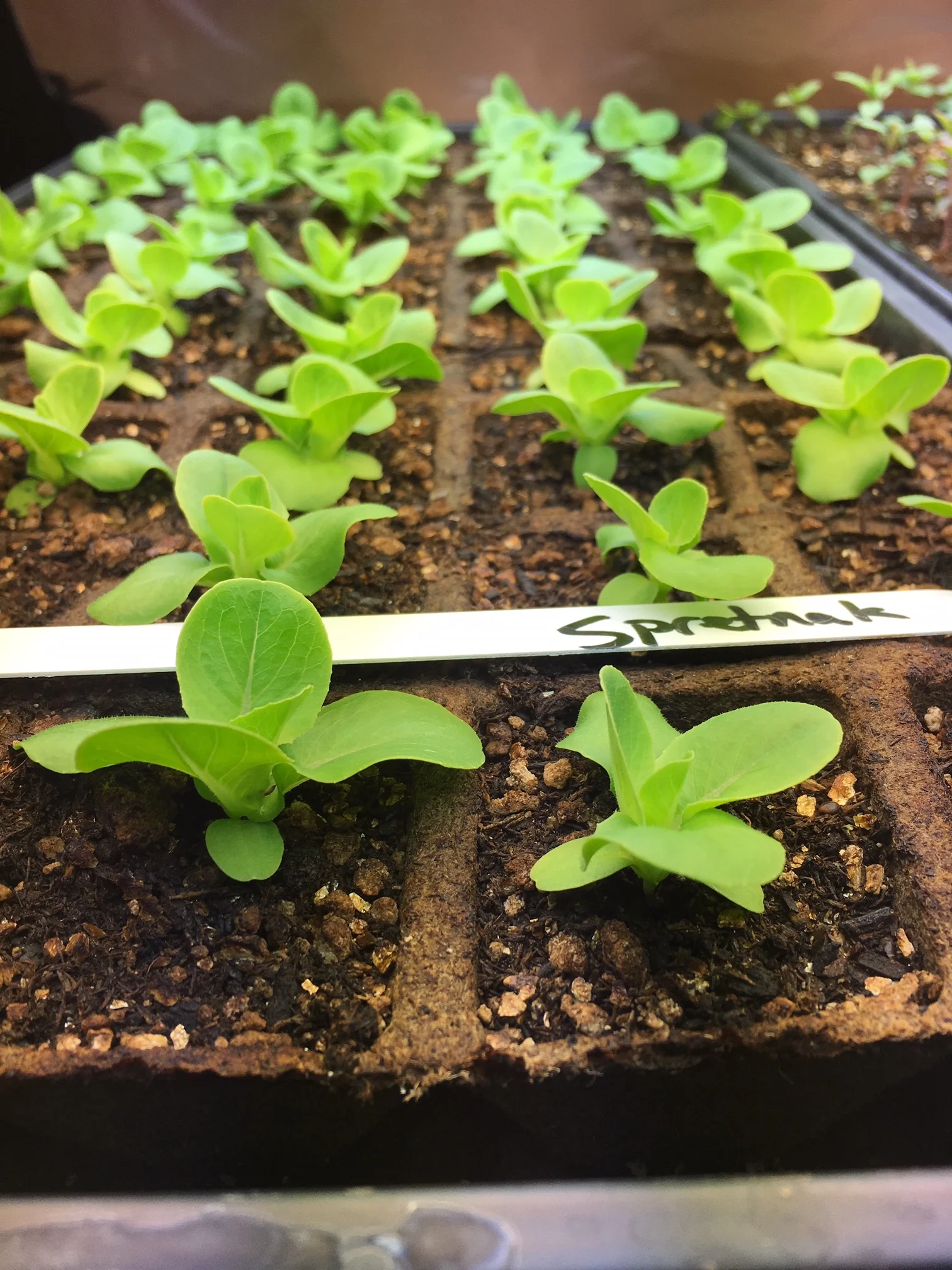
Our indoor seed starting setup has several important components. First, we have our basement prep table. This is where we fill our trays with organic potting mix. Trays have individual cells for each plant and come in a variety of sizes. We use two sizes that accommodate 50 and 128 plants. Once we’ve filled the trays with soil we plant each seed individually. We’ve already planted over 2000 seeds this year with many more to come!
The next component is our germination chamber. This is a new addition to our farm that we made this spring out of a recycled upright freezer, a couple crockpots and a temperature and humidity controller. We’re really excited about this because it will allow us to control the two most important factors in seed germination: temperature and humidity. We’ve already seen great improvements in our germination rates especially with parsley. In the past, we’ve been lucky to be above 50% germination. That is, of the total number of seeds we planted we were lucky to have more than 50% of them germinate. This year, with the germination chamber, we’re over 90% germination on parsley! Side note: our other crops germinate much more consistently with rates approaching 100%.
Finally, we have our grow racks. We bought one on Craigslist and the other we put together using parts we purchased from Home Depot. Simply put, it’s a series of shelves with lights on timers that simulate day and night cycles for our plants.
Once our plants are established in their trays we’ll begin the process of “hardening off.” This process acclimates our little plants to the more harsh conditions they’ll face outside. The hardening off period allows the plants to adapt to full sunlight, wind, and greater temperature fluctuations before we plant them outside.
Bonus: Caterpillar Tunnel Setup
This was our first go at setting up a caterpillar tunnel and overall it went pretty well. We started by measuring out where our tunnel will go so that we could set the corners. Then we pounded large rebar stakes into the ground every 5 feet on both sides. Next, we constructed the bows that support the structure from 3 pieces of curved metal tubing secured with tex screws. Then comes the plastic - we rolled out the plastic and pulled it up and over the bows. The plastic is secured on either end by metal t posts pounded into the ground. To tighten the plastic a series of crisscrossing ropes are installed and pulled tight in between each metal bow. Finally, we placed sand bags around the structure to secure the plastic to the ground in the event of wind. The whole family got in on the set up. Kit, our cat was very interested in the tools we were using and Axel, our dog just wanted to be near us!


What'd we learn at MOSES 2019?
Lara and I attended MOSES 2019 in La Crosse, WI this weekend. For those who are unfamiliar, MOSES (midwest organic and sustainable education service) is an organization that promotes organic and sustainable farming and hosts the largest organic farming conference in the United States. The conference is huge, with well over 3000 attendees, tons of presentations from farmers, scientists, PhD students and more as well as film screenings, research presentations and round table discussions. It’s sometimes hard to choose what to do at the conference because there are so many good options! We attended talks on subjects ranging from managing tomato diseases to pasture raised pork to stress management. In this blog post we’ll go through some of our big takeaways.

Soil
I attended several talks on soil - it’s the foundation of everything we do - so I like to prioritize learning more about soil as much as I can. One big take away is scientists have a very small understanding of how soil works. In one acre of soil there is the biomass equivalent of 8.4 cows in things like bacteria, fungi, worms and other living creatures. Of that biomass scientists have only documented and named about 20% of those creatures. What does this mean for the farm? For us, limited understanding makes it hard to trust anyone that says x is the thing to do for your soil. Instead, we will try to mimic nature as closely as possible; this is what most agronomists would suggest. This includes using mixtures of cover crops to simulate the diverse species of plants you see in nature. Applying animal manures and compost to mimic the natural way animals fertilize soil and we will try to minimize tillage as much as possible. Lara also attended an introduction to soils class and found the current research continues to support the practices we are using.

Tomato Diseases
The big take away here is that we really need to invest more in caterpillar tunnels and high tunnels. We can reduce occurrences of tomato disease considerably which will increase our yields considerably. We’ve held off on investing in this infrastructure until we move to the land where the majority of our veggies are located. We’re making progress on this! We purchased a small caterpillar tunnel this season for use at our home (though we’re using it for lettuce production instead of tomato production). Other things we can do for our field tomatoes include things we’ve already been doing - crop rotations, pruning, laying mulch down, and applying organic copper at regular intervals to slow the spread of disease on a regular schedule.

Pasture Raised Hogs
I (Lara) have always had a great interest in livestock. Convincing Dan to raise chickens has proven to be a great way to diversify our CSA and get free nitrogen rich manure! There are some great benefits to be gained were we to raise pigs. First, we would be able to sell high quality meat to our customers adding economic benefit to our farm and diversifying the CSA. Second, we would get free pig manure to enrich our soil. We would also get some low grade free tillage on our land as the pigs have a tendency to literally "root” around! They love eating plant roots high in sugar and will turn up soil in the process. Dan and I are interested in farming on a closed loop system which means anything that comes from the farm goes back into the farm - we wouldn’t have to pay so much to purchase outside fertilizers. In addition we want to farm in a way that mimics the natural symbiotic relationship of plants and animals. There is also the bonus of pig companionship! They are smart creatures with funny personalities. We are excited to invest in pigs in the next couple years!
Stress Management
Lara attended a short session on women managing stress in agriculture. The tips provided in the session are applicable to all humans working in agriculture. Farming has one of the highest rates of suicide in the nation; many factors contribute: low wages, debt, isolation, intense labor. One way to manage the stress of the job is to plan vacations where you can focus on slowing down and resting your body and mind. Dan and I always take a one week vacation mid-season. It keeps us healthy! Other suggestions included making time for your hobbies, eating healthy, and taking care of your body (your greatest tool in farm work). The key message is farming will be stressful and having a plan to mitigate the stress will ensure a successful long term business.
What does this mean for you?
Better produce, more options for your CSA, healthy farmers, and healthy land! The things we learn at the conference are things that directly affect you. We apply the techniques and recommendations we learn to get better at producing healthy, great tasting produce and animals that will nourish you and your family. There are always things that we can do better and we always try to learn the best techniques to ensure everything we grow for you and your family is healthy, delicious and sustainable!

What's new for 2019?
One of the things we love about farming is that no two years are the same. This is true on multiple levels: the weather is never the same, the crops we grow constantly change and the way we grow them progresses through iterations of improvement every season. While we can’t control the weather we can control which varieties of crops we grow and our methods for growing them. Read on to learn about the biggest changes we’re making for our 2019 season.
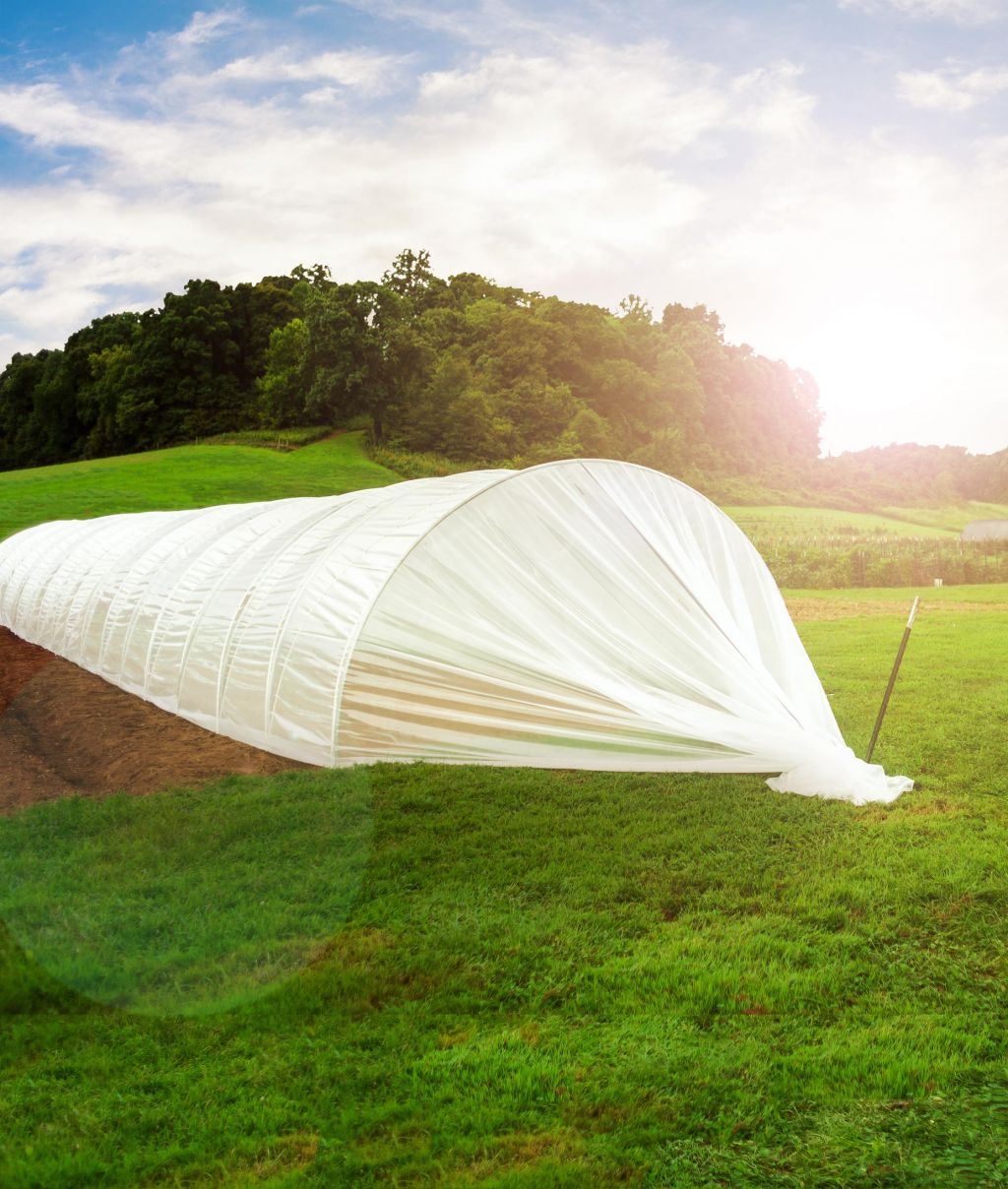
Our first caterpillar tunnel!
What is a caterpillar tunnel and what is it used for? Caterpillar tunnels are a form of season extension that are made with really large sheets of plastic draped over metal ribs that are anchored in the ground. They offer protection from the wind, rain, heat and cold giving us a slightly longer growing season for the things we grow inside them. The most popular produce to grow in them are tomatoes, peppers, cucumbers and lettuce. We intend on using our tunnel to produce lettuce which leads us to our next change for 2019.

Season long lettuce experiment.
One of our favorite things to grow is lettuce and it also happens to be something people really love. Dan took an online class over the winter to learn about strategies for producing lettuce all season long. We’ve developed some systems and invested in the necessary infrastructure to grow lettuce all summer long. This is very much an experiment year that we will use to hone our systems and ensure the lettuce we produce is sweet, crunchy and not bitter. Ultimately, our goal is to have lettuce available every week from mid May through October and perhaps even into November. Don’t worry, we won’t overload lettuce in your CSA box though it might take some time to figure out the correct quantity.

Establishing new perennial beds.
Our current strawberry and raspberry beds are getting pretty old and thus their production and quality is deteriorating. Raspberries and strawberries take a couple years to get established and we have been reluctant to establish new beds at our current property for fear of moving before they’re established. Recently, we’ve made some progress towards buying the land we farm so we’re going to be investing in new raspberry, strawberry, asparagus, and rhubarb beds this season. We hope that in a few years we’ll be able to provide all of these perennials in our CSA boxes and farmers market stand.
Meet Zack
Hello!
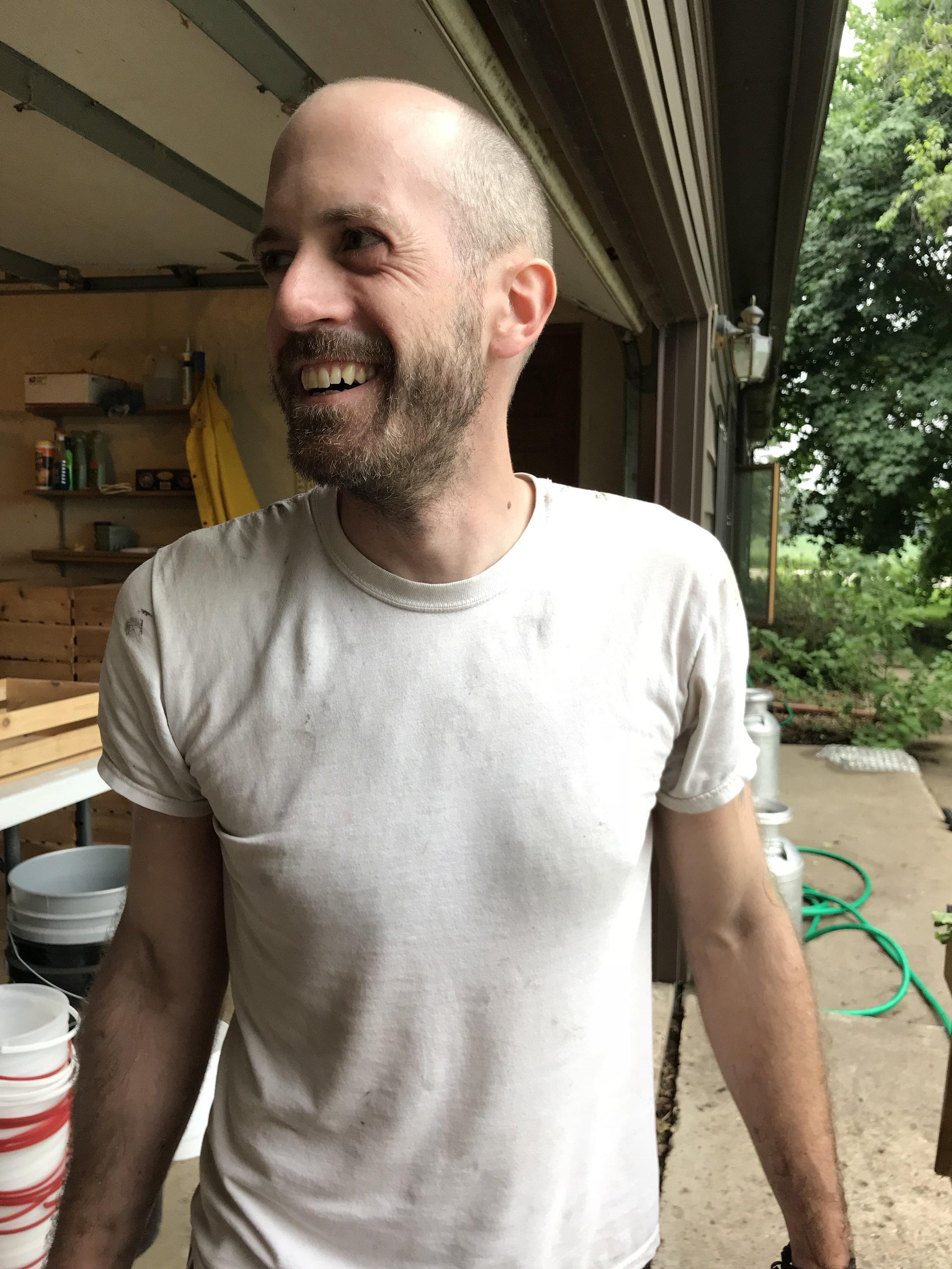
I know it's been awhile but I promise these will be more regular from now on. Today I want to share with you about our farm hand - Zack. As we know farm work is never done and when you get bigger there is more work to do! This calls for more help; we began hiring extra labor last year and just loved Lindsey! We are lucky again this year to have our good friend working for us three full days per week. Zack's experience is varied - he spent some time in the business world and is currently pursuing his MFA in Fictional Literature at MSU in Mankato. When he's not busy writing Zack loves to bake and cook - he has a knack for both. Running is another serious endeavor Zack commits to. He has run several 1/2 marathons with goals to increase his speed each race. Though Zack's farm experience is limited, his work ethic is not. He is such a huge asset to us - keeping up with us weeding, hoeing, putting up tomato cages, and harvesting and preparing produce. Zack does all these tasks with care and efficiency - he never complains - even on days when it's 95 degrees and we ask him to pound posts. We enjoy Zack's company and humor. If you ask him what kind of vegetable he would be he'll tell you brussel sprouts because not everyone likes them and you have to do a little work to get the vegetable from the stalk. Needless to say Dan and I are fans of the brussel sprout (Zack)!
What do we do when it rains?
Hello dear reader!
Today it is raining. Again. As farmers when our produce is in production mode we harvest in ALL weather. Today though we don't have anything to harvest yet. We won't weed either because our footprints would compact the soil and make it harder for things to grow. Instead we get caught up on all the chores around the house. Here is a short list of some things we can accomplish:
- 1. Clean all our harvest buckets from last year
- 2. Cut re-mesh to make tomato cages
- 3. Build and sand down cedar crates
- 4. Care for our chickens
- 5. Write a blog post
- 6. Apply for our marriage license (It's only 15 days away)
- 7. Grocery shopping
- 8. Leisure time - not sure what that is but we try to make time for it!
We are trying to be patient as our crops grow. Things are looking good in the field and are growing fast (though not fast enough for us) considering we planted a month later this year than last. We are proud of what we have accomplished thus far and look forward to our season beginning just one week later than last year. Dan and I are also tying the knot the same week and couldn't be more excited (stressed out)!!! Good thing we have Zack to help us out this year! (More about Zack in our next blog post.)


More planting, more weeding and lots of progress!
Spring planting continues on the farm. We planted our vine crops (cucumbers, summer squash, melons, etc) over memorial day weekend and were able to get in around 550 peppers, tomatoes and basil before the storms hit! We don't normally like to plant in that kind of heat but our plants were in need of being moved out of their pots and into the soil.
Many of our crops do just fine in the heat - in particular sweet corn and popcorn LOVE the heat. Some of our crops suffer in the heat - lettuce, spinach, peas - all would have liked the 100 degree days to wait another month. Fortunately, it seems the damage was minimal and the rains really helped keep things going after that heat wave.
We continue to work on weeds as they tend to love the heat as well. We will be writing a post soon that covers the many methods we use to control weeds on our farm. Stay tuned! In the meantime enjoy these photos of the progress on our farm.


Chicken tractors, planting, and weeding!
It's been a very busy month on the farm! The weather has finally warmed up, we're getting a good amount of rain (if not a little too much) and our new batch of layers have moved out of their brooder box to the outdoors.
The first couple photos in the gallery below are pictures of our home-built "chicken tractor." A chicken tractor is a mobile enclosure that we will use for our meat chickens permanent home when they are big enough to move outdoors. Chicken tractors allow us to keep our meat chickens in a controlled location but also allow them to forage and be outdoors. We will move the tractor daily so that our chickens always have access to fresh pasture. The enclosure also keeps would-be predators out. It's a win-win situation.
We've put our second batch of layers in our chicken tractor until they are big enough to integrate with our adult layers. This allows our adult chickens to "introduce" themselves to our new chickens without the risk of the new chickens being injured as they re-establish the pecking order. Yes, the pecking order is real thing; it's a social hierarchy of chickens that's established, sometimes by pecking, and each chicken has their own spot.
We were finally able to begin planting in early May - we started with our potatoes and onions and moved onto other early season crops like peas, lettuce and radish. As of this writing, we have planted potatoes, onions, peas, radish, lettuce, carrots, arugula, spinach, swiss chard, popcorn, kale, kohlrabi, brussels sprouts, and beets. We've also transplanted our cabbage, broccoli, thyme, oregano, and parsley from their indoor pots to their outdoor locations. It's been a busy couple of weeks!
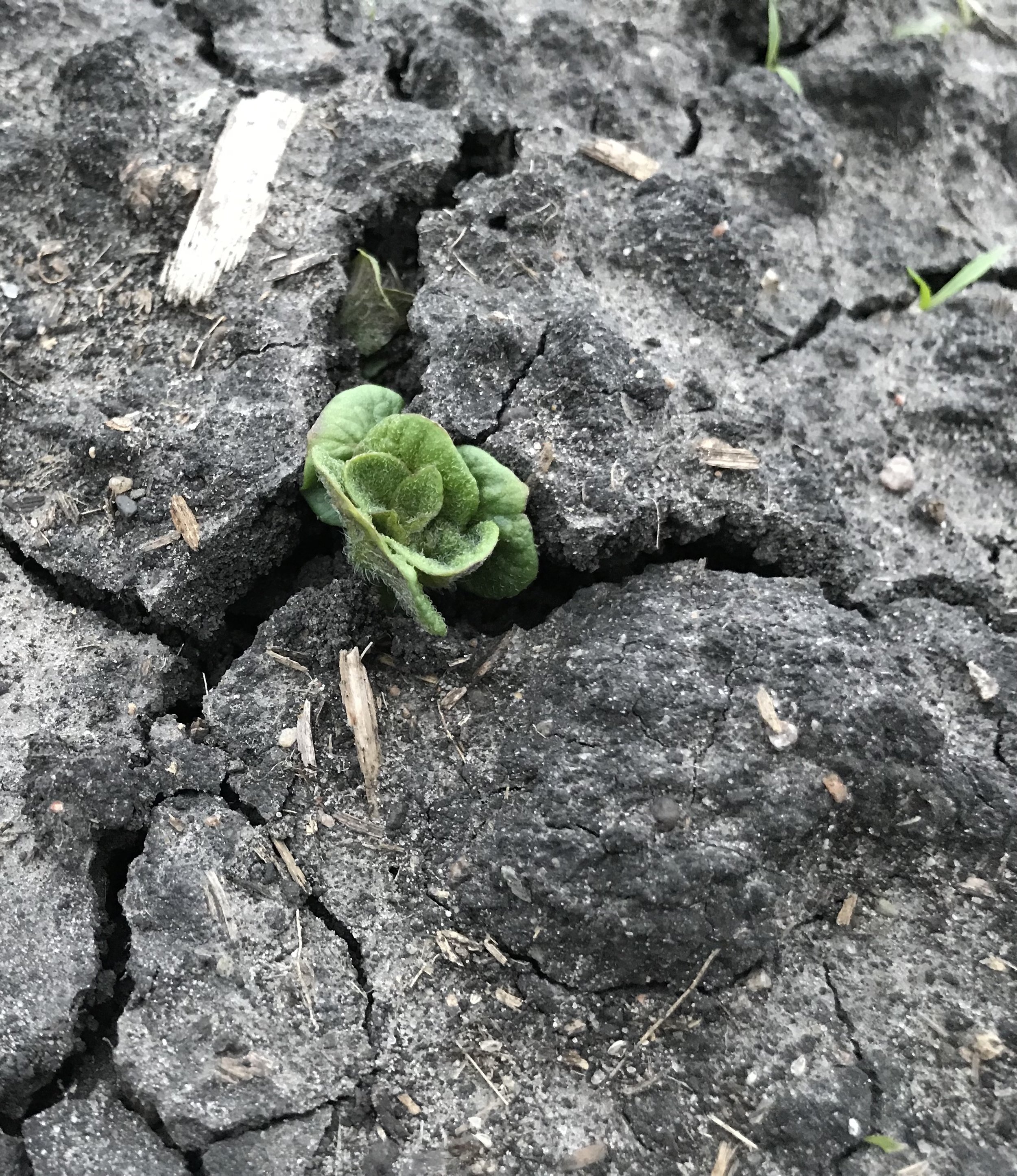
The warm weather and rain has helped all of our plants germinate quickly (and, unfortunately, the weeds too) and everything we've planted is up. We've begun cultivating our produce to try to get a head start on the weeds. We're also planning on transplanting our tomatoes, peppers, and basil in the coming week.
It's a busy time on the farm and we're loving every minute of it! Check out the photos of our progress below:




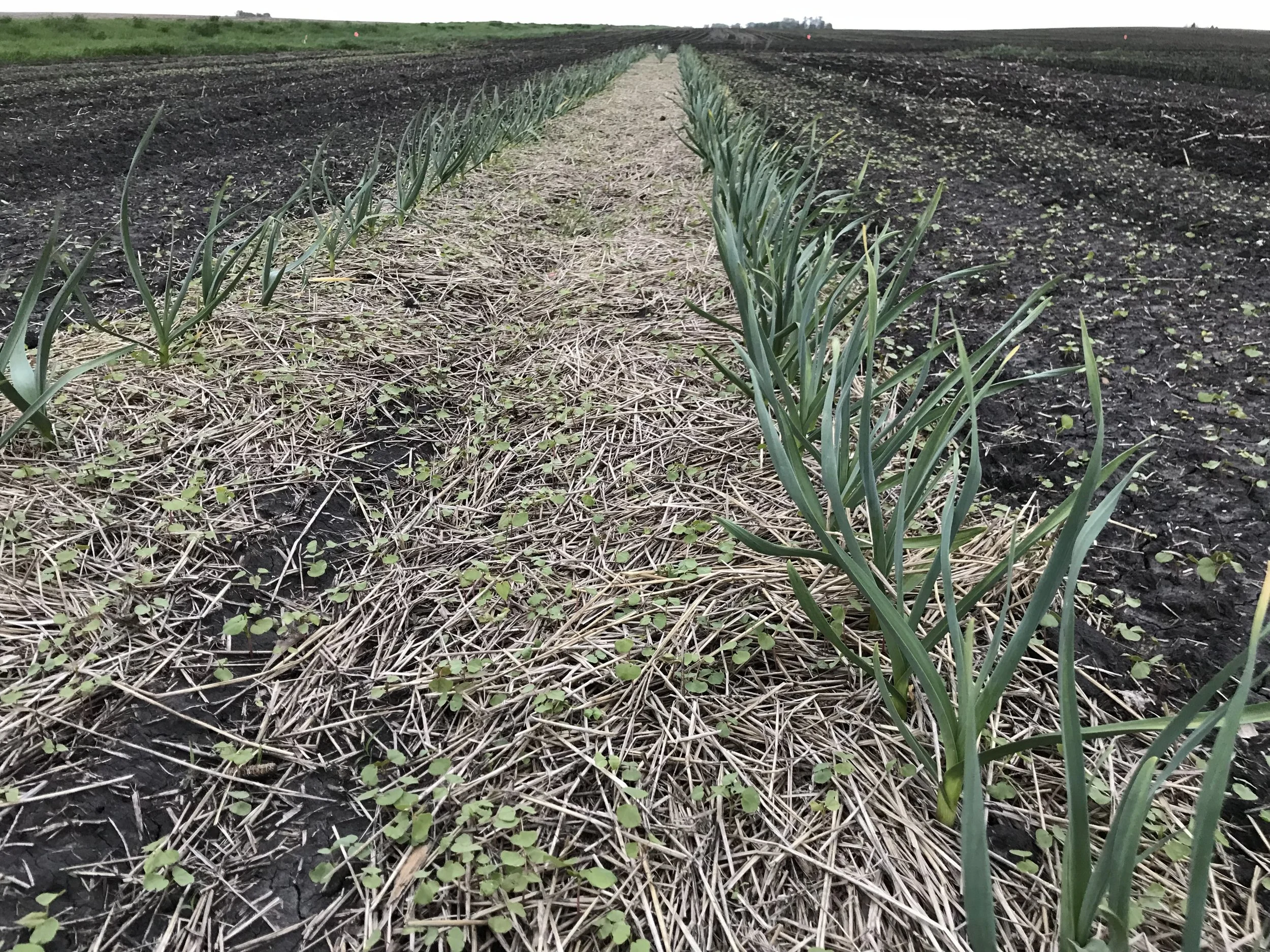


Spring Update 2018
Hey Folks! It feels a little strange to call this post a "spring" update since we haven't seen many days that resemble spring and there's still a decent amount of snow on the ground. Fortunately, the forecasts for the next few weeks seem very promising with temperatures reported to reach into the 60s by next week. We are very excited for the warmer temps and to get back out into field to begin planting our crops!
You might be wondering if all this snow has an affect on our spring. Simply put, yes it does. By this time last year we had already planted potatoes, kale, kohlrabi, carrots, lettuce, onions, peas, and cilantro. This will likely push the first CSA pickup to mid June but it shouldn't affect the overall number of pickups. We will be closely monitoring our fields to make sure that as soon as it's ready to plant that we're planting!
Despite us not being able to be in our field planting we have been busy starting plants indoors. We start several types of produce indoors including tomatoes, cabbage, broccoli, herbs, and peppers to give them a head start. This year, we have over 1400 plants started indoors and we're very pleased with how they are looking so far! We also recently received a new flock of chickens that will begin laying eggs for us in the fall. They are very cute, very fluffy, and really active little chicks. Between our baby chicks and our indoor plant starts we stay pretty busy!


Our Produce Safety Practices

These were some dirty carrots!
I recently attended a training hosted by the Minnesota Farmers Market Association that is required under the Food Safety Modernization Act (FSMA) and thought it would be nice to share with everyone what steps we take to ensure the produce you get from is is safe to eat. There aren't a lot of photos for this post but it contains some very important things regarding produce safety.
Before we get into our safety practices I should outline the pathogens that are most likely to cause illness in humans. Those pathogens are E. coli, salmonella, norovirus, and listeria. E. coli, salmonella, and norovirus are usually transferred through feces while listeria may be present in soil. Since we do use animal manure as fertilizer on our farm we have to take special steps to make sure that the risk of these pathogens spreading from the field to your produce is trivial. So what do we do to make that happen?

This lettuce is just got done spin drying and is ready to be bagged.
We only spread animal manure in the fall and then incorporate it into the ground. This ensures that the manure breaks down in the soil and that the pathogens are killed over time as the soil breaks down the manure. In addition, since most of these pathogens do not survive as well in less than their ideal conditions (which is around 98 degrees F in a damp location with access to nutrients) they tend to die off over a period of time. The minimum amount of time recommended is 120 days - since we spread manure in November and don't harvest the first produce from our plots until late May that's over 180 days!
Manure isn't the only type of feces we need to worry about. Our plots are outside, in nature, and wild animals do have access to our plot. We do attempt to deter them from entering but that doesn't always stop them. So what do we do if a wild animal poops on our produce? Well, if we can visibly see poop on produce, we don't harvest that produce. Pretty simple. We also bury the animal poop so that it isn't at risk of future contact with our produce and so it gets broken down.

We also take steps in our pack shed to keep your produce safe. First, we make sure that we never have stagnant or standing water in or near our pack shed. Standing water is the perfect breeding ground for many pathogens and also makes for an easy transfer vector for pathogens. Second, we clean and dry our harvest buckets and coolers every day. We also make sure to change our water frequently when we're cleaning things like lettuce and spinach. Finally, we keep our pack shed clean and organized.
Personal hygiene is also important with respect to produce safety. We always wash our hands after using the bathroom and require our farm hands to do the same. We also don't handle produce when we're sick.
Most of this is commonsense but we thought it would be nice to share with you what we do to keep your produce safe. We think about this and as you can see, we take steps to ensure your produce is ALWAYS safe to eat. We do still recommend that you rinse all produce you receive from our farm. It's a really good practice and an extra step to take to make sure your produce is ready to eat.