Tunnel Seeding Begins!
The Ides of March Blizzard has just passed and I can’t think of a stronger juxtaposition between a blizzard and planting spring crops inside our tunnels. It looks more like the dead of winter than the cusp of spring outside but the season is shifting. You can feel it in the power of the sun, the length of daylight and the sounds of migrating birds returning for summer.
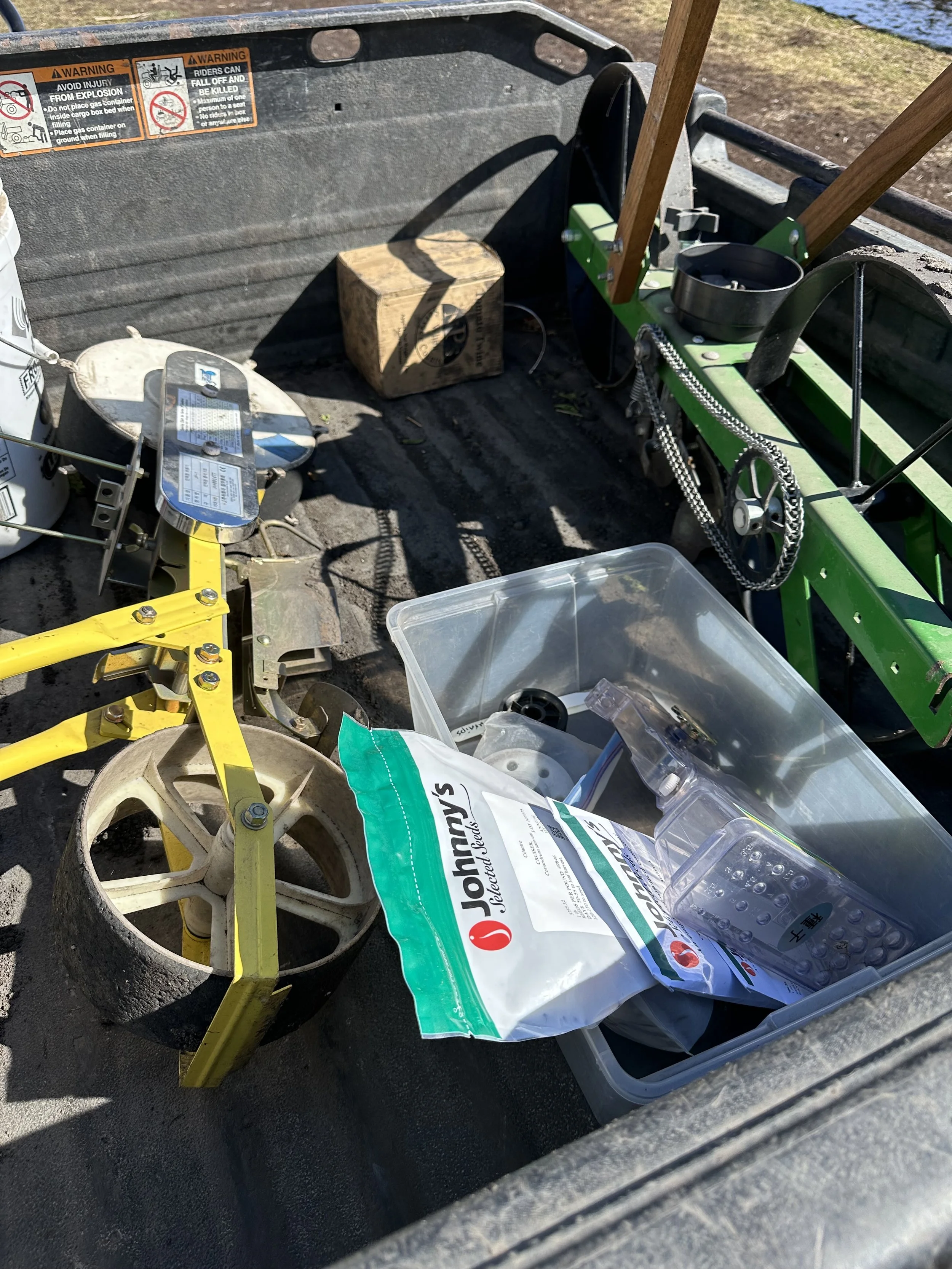
Seeders, seeds and supplies
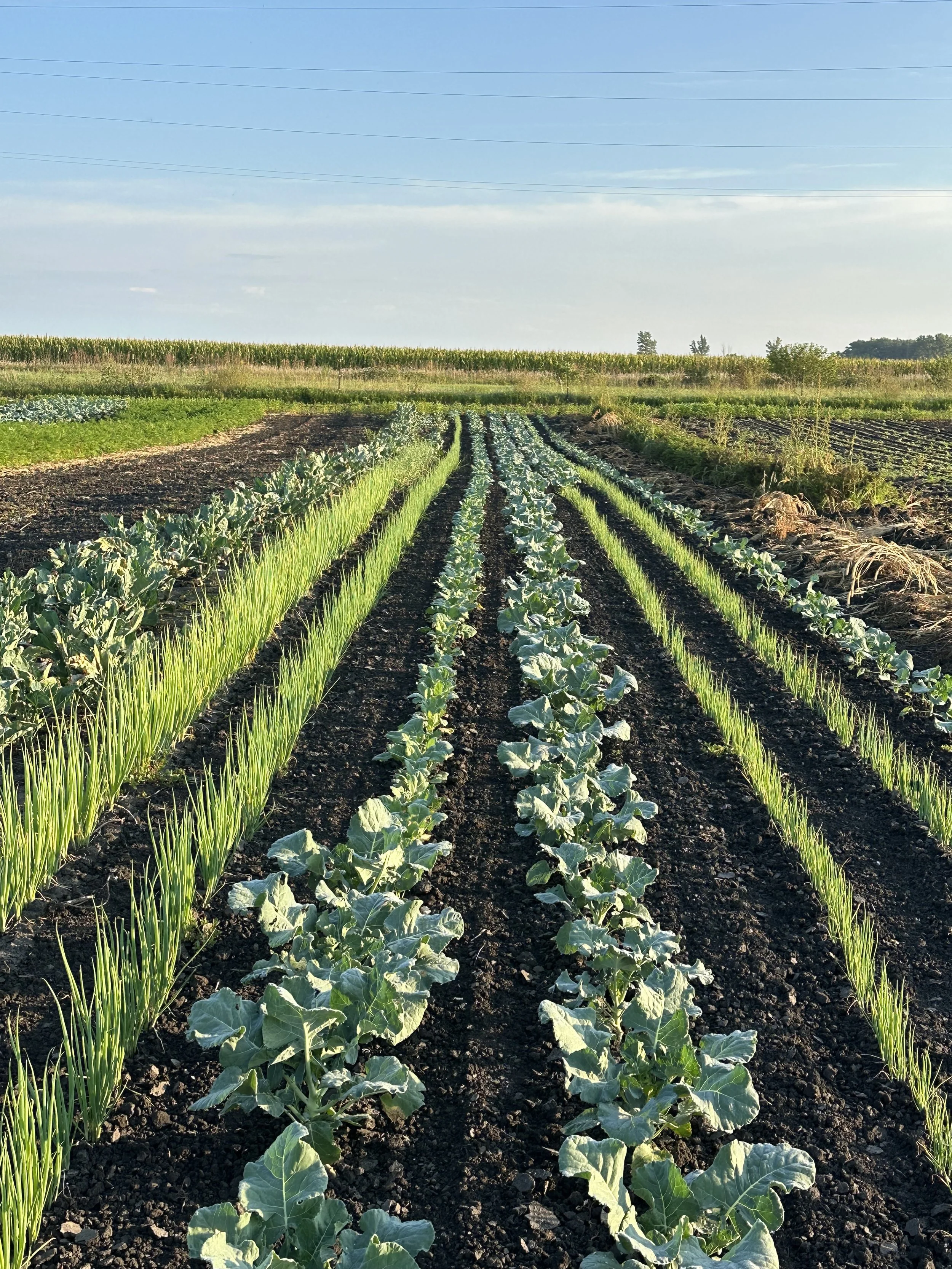
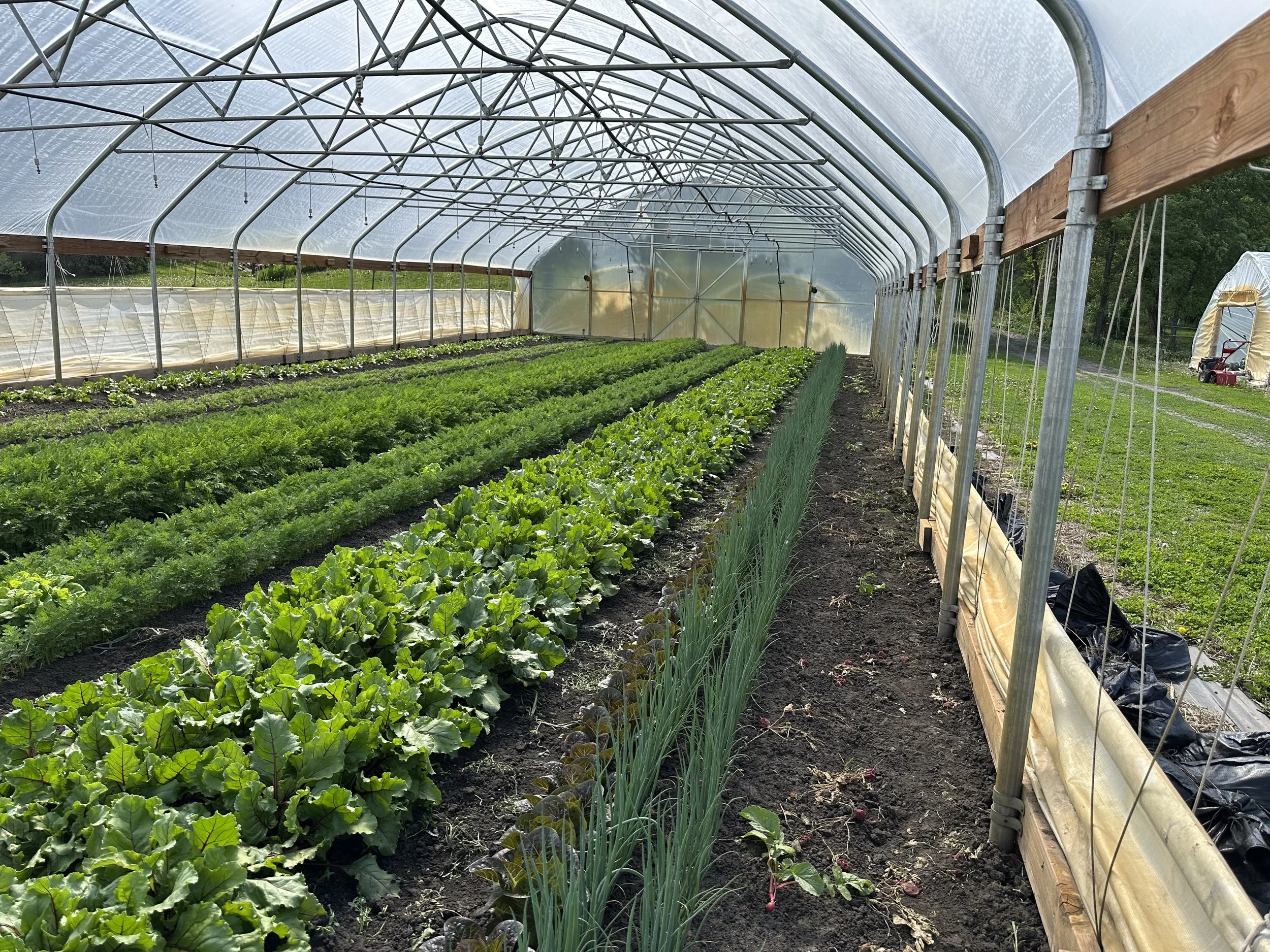
In the past few weeks I’ve prepped about half of the beds inside our tunnels and planted carrots, radish, beets, salad turnips & cilantro in the tunnels. Bed prepping is an important part of our growing process inside our tunnels. We broad fork each bed to loosen and fracture the soil and to provide nooks and crannies for fertilizer to fall into. Then we apply organic, pasteurized, pelletized chicken manure fertilizer to provide safe nutrients for our crops. Next, we till the beds to provide a soft, “fluffy” soil that’s easy to work with. Finally, we rake the beds so they are even. All of these steps are very labor-intensive but the results they provide are worth it.
Once the bed prep is done the bed is ready for planting. The first crops to be direct seeded are beets and carrots. Direct seeded refers to directly planting the seeds into the bed as opposed to transplanting where we take a live plant and transplant it into the bed. Planting this early comes with some risks but also offers plenty of rewards when things work out. Fresh beets and carrots available in mid to late May being the main reward. This is over a month ahead of when a outdoor, field planted beet or carrot would be ready!

That little red speck is a beet!
Marbleseed Conference
Lara and I spent last weekend at the Marbleseed Conference in LaCrosse, Wisconsin. It’s a conference for small scale organic farms to come and learn, network and share ideas about how to be better farmers and improve the food system. This conference often gets the gears in my head turning about ways I can improve Cedar Crate Farm and also has me thinking about our food system more broadly. While there were many so called take-away nuggets of information gleaned at this conference, I want to share two of them with you today. One is a practical tool we can implement on our farm this season and another is an observation of the food system more broadly.
Takeaway 1: The Practical Tool
One of the presentations we attended was from a researcher from the University of Wisconsin - Madison who presented on some new tools they’re developing to improve disease and insect management for farmers. Essentially, bug and disease life cycles strongly correlate with weather: usually heat and humidity. By putting together knowledge on disease and insect life cycles with known weather data we can make predictions about when certain diseases or insects will have intense pressure. Knowing this then allows us as farmers to implement management practices to help reduce insect and disease damage. The folks at University of Wisconsin have even built an online tool where I can plug in my farm zip code and it will automatically pull weather data and make predictions about when disease and insect pressure will be worst for a host of pests. We’re really excited to give this a try this season!
Takeaway 2: The Industrial Food System Is Broken and Farms Like Ours are the Fix
Austin Frerick - an Iowa native - is the author of Barons: Money, Power, and the Corruption of America’s Food Industry and presented on not only this work but upcoming work he’s doing on solutions to the problems laid out in Barrons. Barrons examines the food system through “robber barrons” in several segments of the food system. Robber Barrons within the food system include large meatpackers like JBS and Smithfield Foods, Driscolls in berries, Wal-Mart in Grocery. Frerick argues that each of these companies employ anti-competitive practices while simultaneously benefiting from government subsidies while providing no benefit to consumers. Prices are not lower and the food quality from large companies is abysmal. If you eat you should read this book.
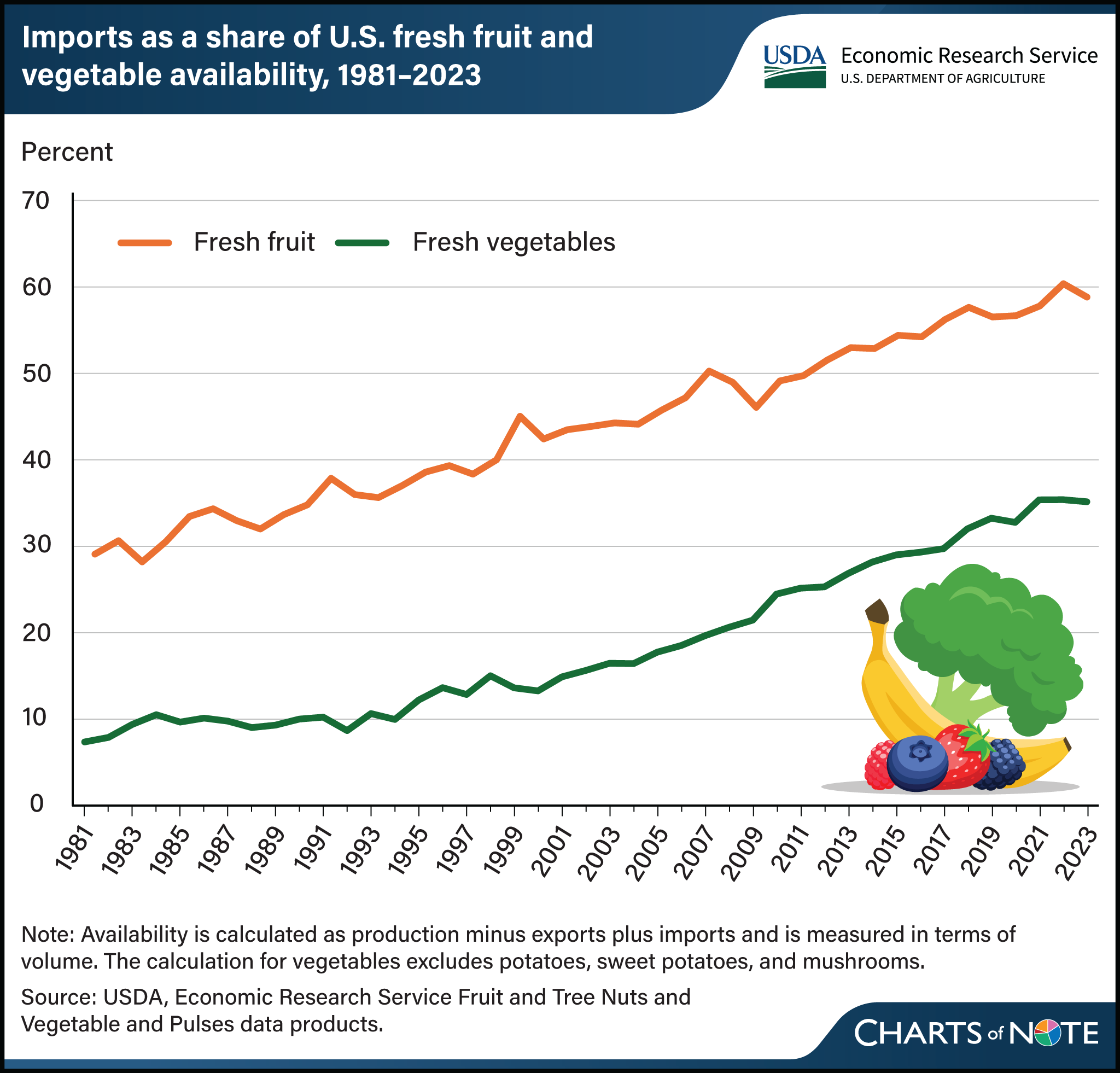
I often go back and forth feeling proud to be part of a solution to the broken food system but also feel incredibly disheartened to see the slow rate of change around me. We as a country are rooted in a farming and food system that externalizes costs and produces bad products. We are now at a point as a country where we import more fruits and vegetables from foreign countries than we produce ourselves. Isn’t that crazy?! The produce that is imported is not good - think about those pale barely pink tomatoes and strawberries that are hard and flavorless. They’re engineered to be shipped internationally and not for flavor.
Our farm is part of the solution. Not only do we grow really delicious food but we also serve as a connection point for developing community around food. These two acts while seemingly small could be duplicated across agricultural lands all over the country. Imagine tens of thousands of farms like us growing vegetables, fruit, meat, eggs, honey, herbs, and so much more. Food is one of the best common denominators we have as humans.
You are an important piece of this puzzle. By supporting our farm at the Farmers Market, by being a CSA member, or shopping our online store you making a powerful statement. You’re saying that at least some of your food dollars should stay within the community. You’re rejecting the narrative that only large corporations and farms can feed us. You’re saying you value freshness, flavor & quality over the convenience of the supermarket. It may seem small but to us it means the world!
Town Hall Reflections
Last week I attended a town hall hosted by the Minnesota Farmers Union (MFU). The purpose of these town hall events is for MFU staff and local legislative leaders to listen to what farmers are saying about issues that impact them. It’s an opportunity for farmers to share their stories and experiences as well as their ideas on how to fix things. I think most farmers have a “fix it” mindset where they not only think about the problems but also how to fix it. It’s part of our day to day lives so it’s natural that this mentality transfers.
I attended with a couple goals in mind. First, I wanted to hear from other farmers about their thoughts on the state of things. I also, wanted to share about how the federal Local Foods Purchasing Assistance (LFPA) program had such a positive impact on our farm and in our community. More on that below. Finally, I wanted to share how access to affordable healthcare is the biggest thing holding my farm and my family back.
So what were other farmers saying? Many farmers had commented on how ICE actions in Minnesota disturbed them. Everyone was in agreement that undocumented immigrants with violent criminal offenses ought to be deported but that ICE had gone too far with detaining children, families, and folks just trying to work. Farmers also commented on how tariffs are impacting commodity markets and their concern for regaining stable foreign export markets that they rely on after this administration has gone. Conservation was also something that came up. Farmers applauded programs where they could be paid for planting cover crops which help to protect the soil and water.
Back to Local Foods Purchasing Assistance (LFPA). I made a comment on how the cuts to the federal LFPA program were disheartening. My view is that LFPA was the first time local foods production was subsidized the way commodities are subsidized. Thom Peterson who is the Commissioner for the Minnesota Department of Agriculture was in attendance. He had shared how he recently was in Washington D.C. with other states’ commissioners of agriculture and that there was broad bi-partisan support for LFPA. It gave me some hope that we might see the restoration of LFPA or a program like it at the federal level.
At the state level, Minnesota passed an LFPA program in the 2025 legislative session. Unfortunately, the state doesn’t have the resources the federal government does so the state version is funded at just $700,000 compared to the $18 million the federal version allotted the state of Minnesota. But, MFU staffers are working to increase that funding and reached out to me to encourage my state senator to co-sponsor a bill to increase the funding. I’m happy to share that it sounds like a co-sponsored bill will be authored. We’ll see if it hits the floor this legislative session and gets signed into law.
That is why I’m part of the Minnesota Farmers Union. MFU helps facilitate change and advocates for issues that are important to farmers and thereby eaters. They help handle the details of writing the bills and getting the right people in a room together. They help amplify farmers voices where we would otherwise go ignored.
The Cold Snap & Spinach
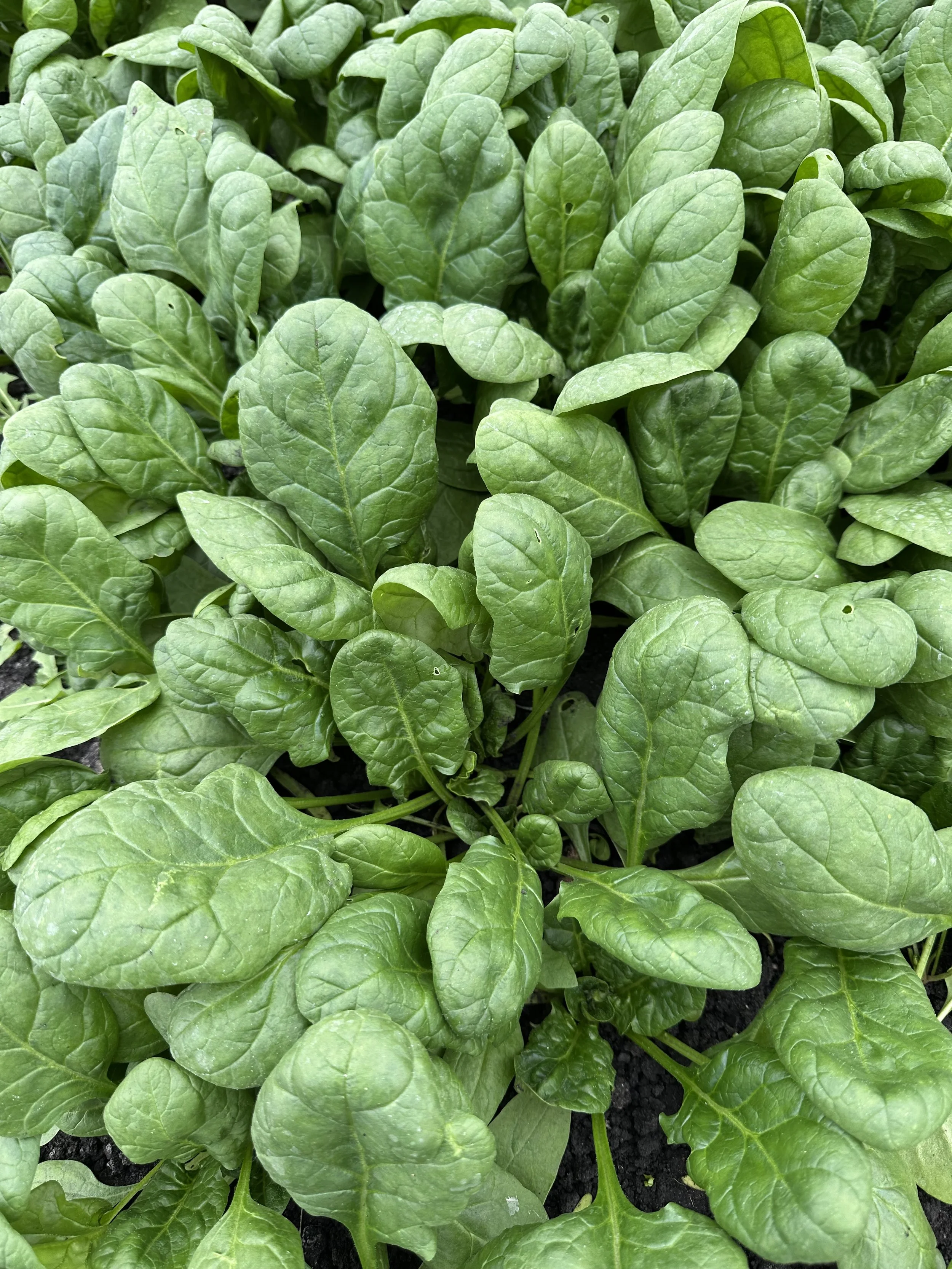
Spinach is, by far, our most reliable winter crop. It can withstand temperatures that defy expectations and we’re still learning what its limits are. We just came out of a two week stretch of cold with temperatures rarely getting above 0*F. Our lowest recorded temperature was -20*F. According to some meteorologists, this stretch of cold weather was the coldest stretch of weather we’ve experienced since 2019. We’ve been growing winter spinach since 2021 so it begged the question of would our spinach survive this cold?
The short answer is yes, the spinach survived, but there’s a catch. The catch being that while the spinach did survive the cold snap it did not grow during the cold snap. Part of our winter spinach plan is to get some growth even during the cold. We’re not expecting dramatic growth but enough where in 4-6 weeks time spinach can regrown into something we can take a second harvest from. We may harvest some spinach for our upcoming market but we really want to be careful to make sure we’re not selling ourselves short for future markets.
The next question is how exactly does spinach survive this kind of cold? I’m not a biologist so this is purely based on observational information and is just my anecdotal evidence but I think it largely has to do with a defense mechanism spinach has. When it gets really cold, usually below 0*F, the spinach in our tunnels wilts. It looks like what would happen if you dumped a bag of spinach out on your counter and left it out overnight. Limp, dreary, dull color and seemingly not salvageable.
The really cool thing is that the spinach in our tunnels perks back up once temperatures rise for several consecutive days. It seems to me that the spinach plant drains its leaves and stems of water and presumably stores the water in the soil as a way to protect itself from the cold. This is why it looks like its wilted. Then, when temperatures rise the spinach plants uptake that water and it looks good as new.
When we pair that plant adaptation with growing the spinach inside a tunnel and use floating row cover to protect against the coldest of the cold temperatures we suddenly are able to grow spinach all winter long!
About That New Food Pyramid
Recently, the USDA and HHS released a new food pyramid that replaces the “my plate” guidance. I wanted to share my take on the new food pyramid and also provide some insight on how farm policy plays a role. It should come as no surprise that I am NOT a dietician nor have I had any formal training in human nutrition so take whatever I say with a grain of salt.
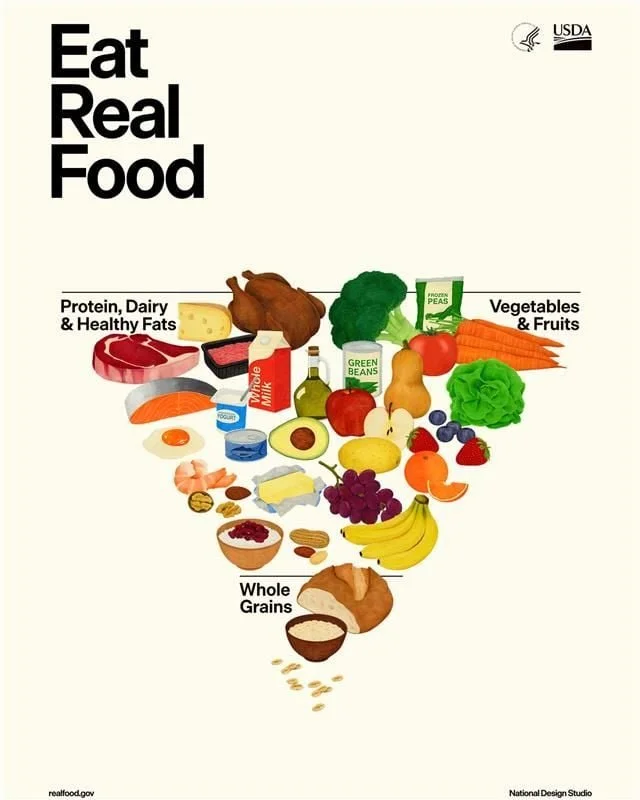
At first glance I was pretty okay with the new food pyramid. Vegetables right at the top. I grow vegetables - good news for me. Also in the press release was the promotion of whole foods and getting away from ultra-processed foods; something I’m in total agreement with. I don’t agree with having protein, dairy & fat right at the top along with vegetables. Don’t get me wrong, I love having meats, cheese and dairy as part of my diet but I think they should be swapped with either fruits or whole grains. Americans already consume more meat per capita than most other countries in the world. Seems silly to encourage us to eat more meat when generally we, as a society, already are consuming more meat than necessary.
So what does federal farm policy support? I can tell you from firsthand experience that the answer is not vegetables. Most of federal farm policy support goes towards crop insurance subsidies for commodities like corn & soy beans. Most of the corn & soy beans grown and used here in the United States is used for ethanol/bio diesel (not food) OR food for livestock. Knowing that, it’s no surprise that meat & dairy are at the top. We wouldn’t want to upset the commodity & meat packer lobby.
Further, if you look at fruit & vegetable imports since 1980 in the chart below you’ll notice a stead increase in the amount of fruits & vegetables that we import. I think it’s crazy that we have all of this amazing farmland across most of the country and we have to continually import more fruits & vegetables. It doesn’t make sense. If federal farm policy incentivized vegetable production the way it incentivizes commodity production we could flip that chart around.
Winter Observations
My mom is always happy to have a fresh salad and I had noticed that we did have a very small amount of available in our tunnels that somehow survived outside temperatures of -20* F (+10* F in tunnel under row cover). I have been experimenting with winter growing for 5 years now and I was taken aback. I was happy to be able to harvest some lettuce mix to share with my family for our Christmas celebration. Observation is a critical part of farming produce and I wanted to share with you a few things I noticed in our winter tunnels this past week.
First observation, in the photo below, you’ll see some gorgeous spinach and tucked into the spinach is something else that caught my eye. Peas! These were part of our cover crop mixture and a few seeds ended up in our winter tunnel when we were broadcasting seed. I knew peas were cold hardy - that's why they were part of the cover crop mix - but the literature said they were good to the low 30s upper 20s.
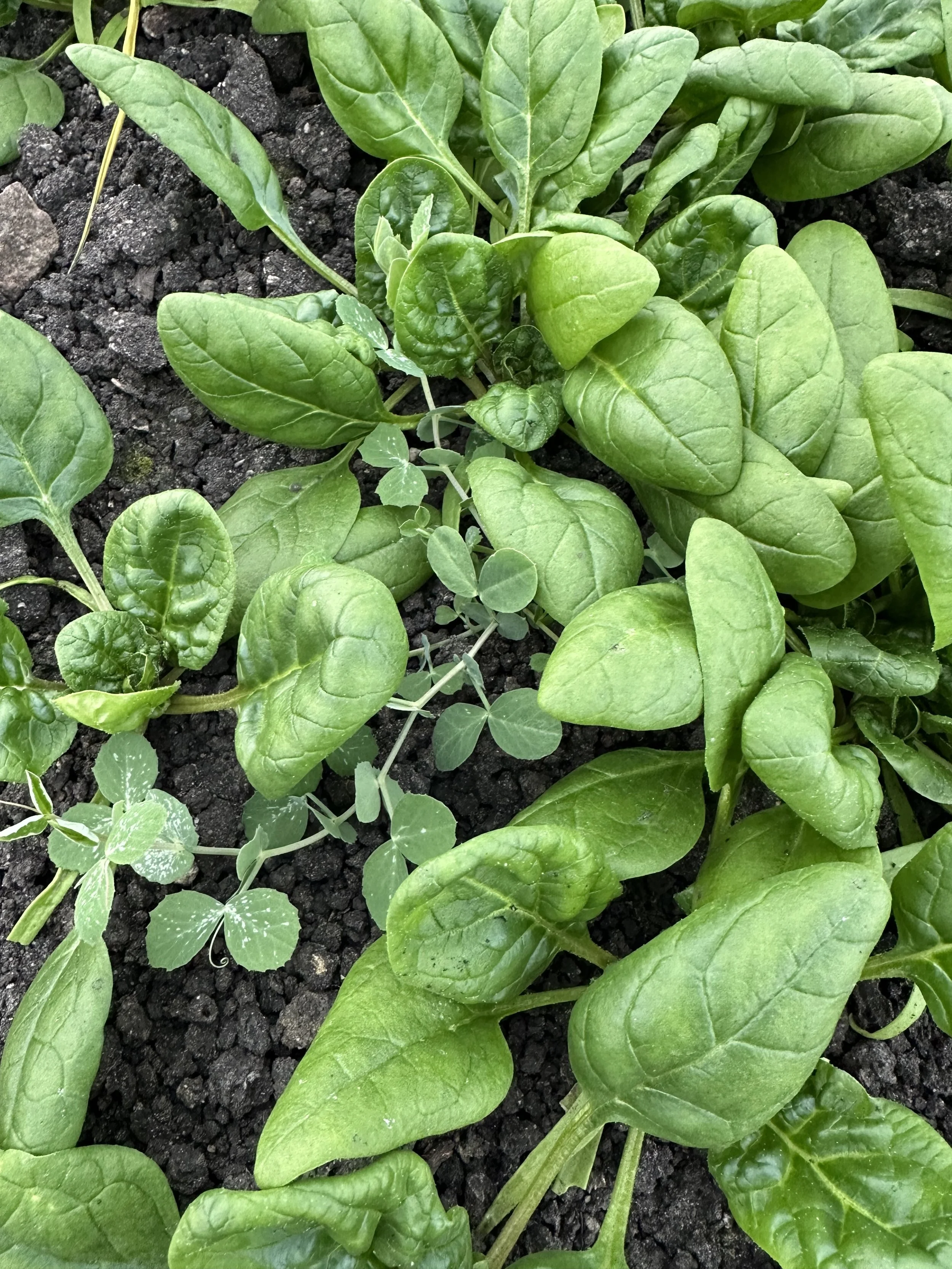
Pea cover crop pictured center.
Second observation. Since I had noticed the peas surviving in the spinach bed, it got me thinking: I had planted the same cover crop mix intentionally in a different tunnel. I wondered what it might look like. See the photo below for the results While the oats in the mix are matted down and mostly dead, the peas that are part of the mix are still alive.
I’ve written about why cover crops are important in the past so I won’t get into it again today but know that I am tickled that these cover crops are continuing to do their job deep into the winter! I can hardly wait to see what the soil looks like in the spring when we start prepping these beds for new crops.
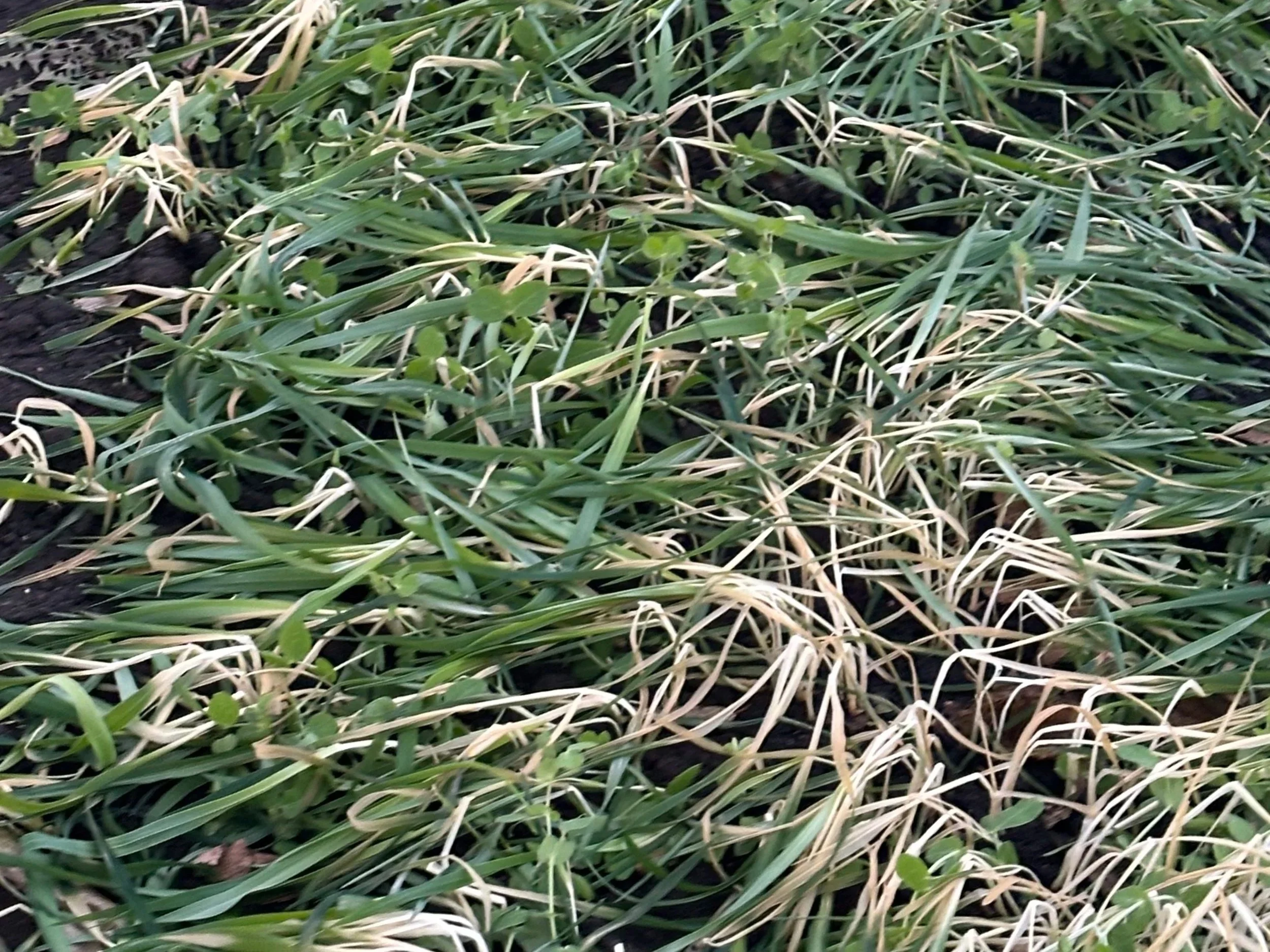
Oats and peas cover crop doin’ work!
Third Observation. Some of the lettuce varieties that constitute our lettuce mix are less cold tolerant and the size of the lettuce plant also matters with respect to cold tolerance. The rounded leaf types (red & green oak-leaf and butterhead) are much more cold tolerant than the pointy leaf types (red & green incised and sweet crisp). I don’t know why but I’d hypothesize that at a genetic and/or cellular level there are differences between the varieties that govern cold tolerance.
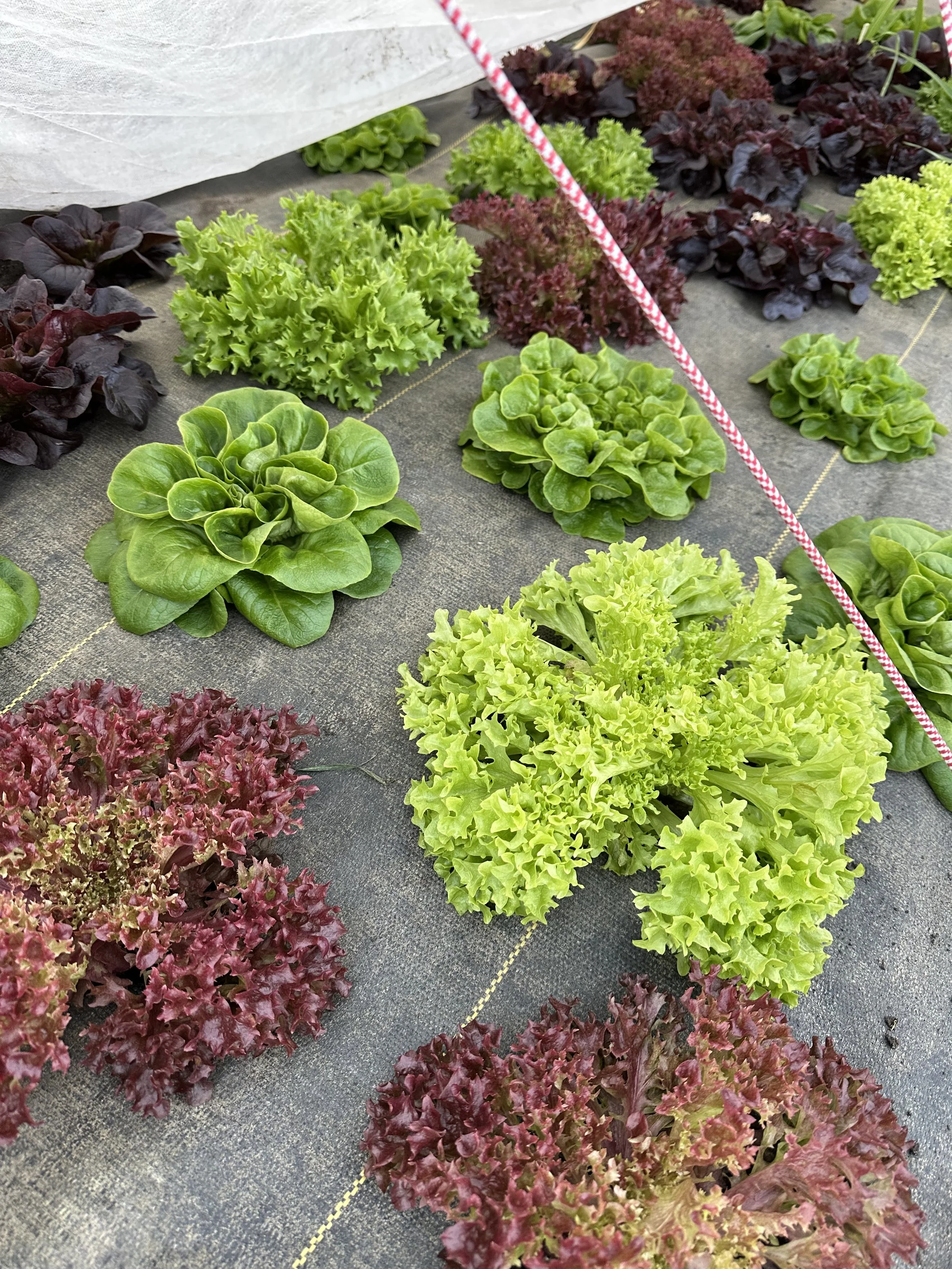
Lettuce picture from December 28th, 2025
An Observation on Observations: To tie a bow on this blog post I just want to note that this is just a small example of the observations that I, as a farmer, make to help in my decision making on the farm. Small observations can often be inter-related and can help inform my management decisions, crop/variety selection, and so much more. To be a good farmer, you really have to notice the details in your crops and think about what they might mean for the farm!
2025 Season Highlights
2025 was another year to remember with lots of big moments for our small farm. I thought it’d be fun go through our farms top 10 moments from 2025. Enjoy!
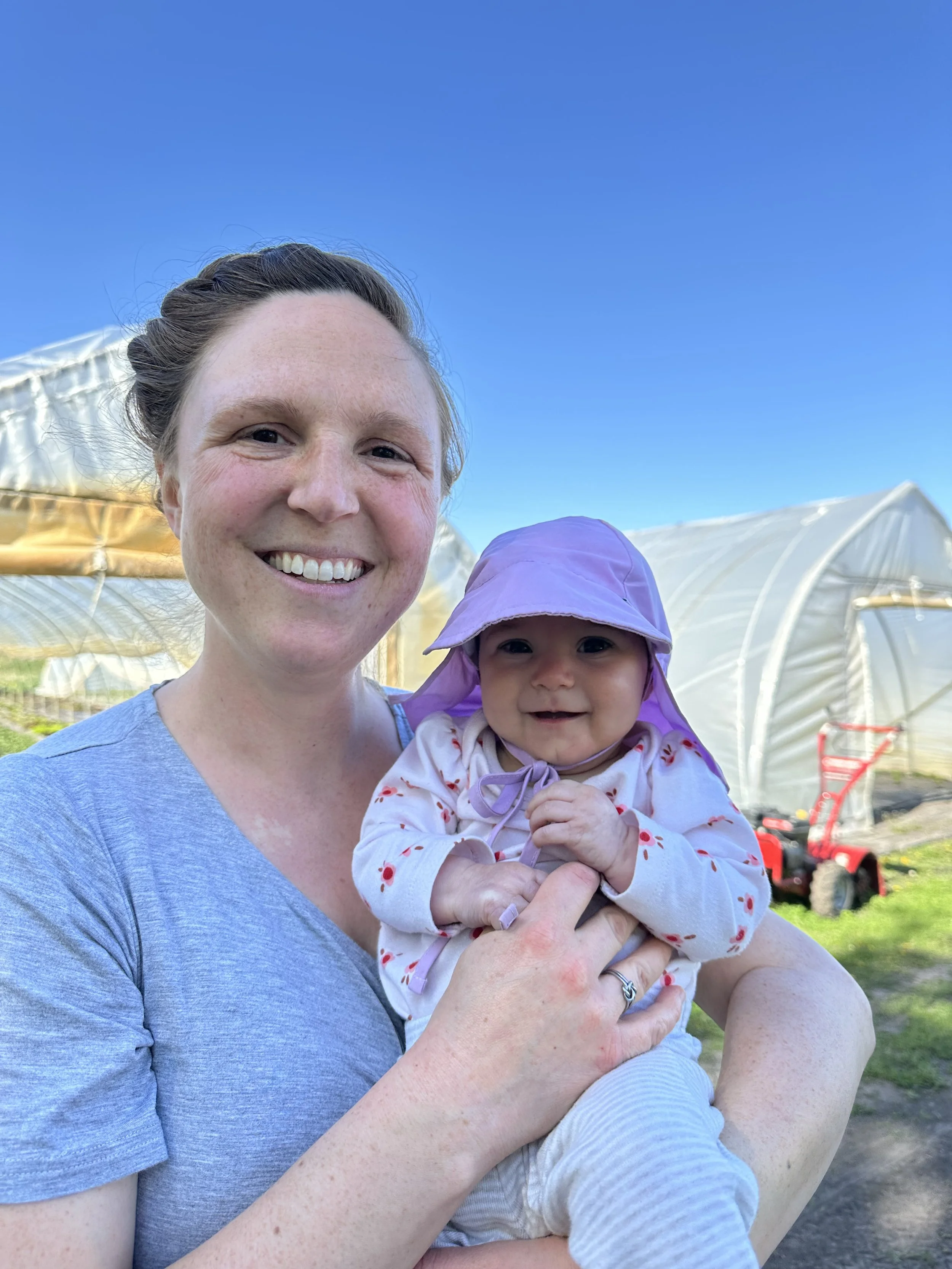
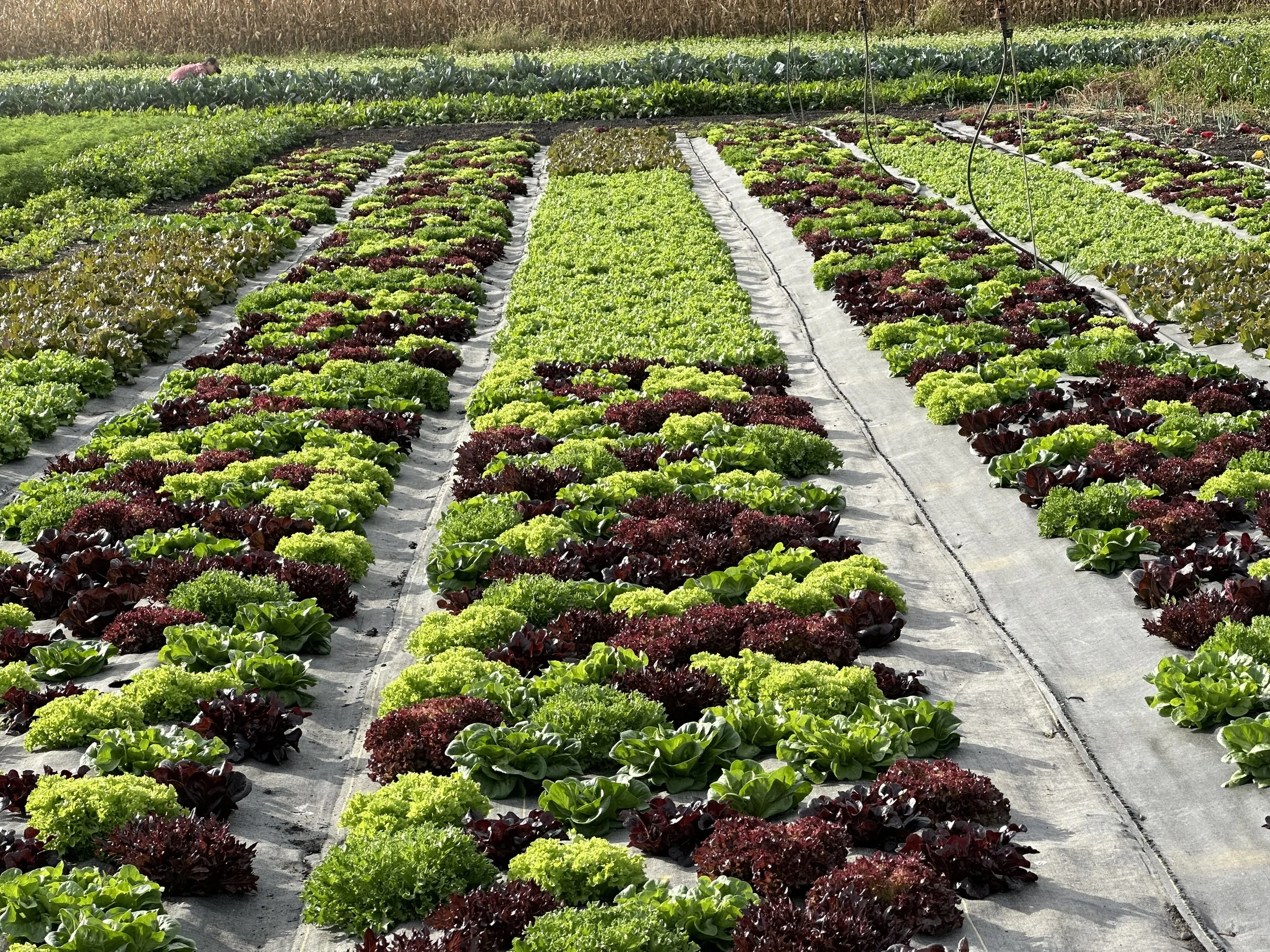
Welcoming Baby Aubrey! Our little farm family gained an extra set of farm hands this season with Aubrey arriving in January. Aubrey is the perfect addition to our family and her big sister, Addie, adores her!
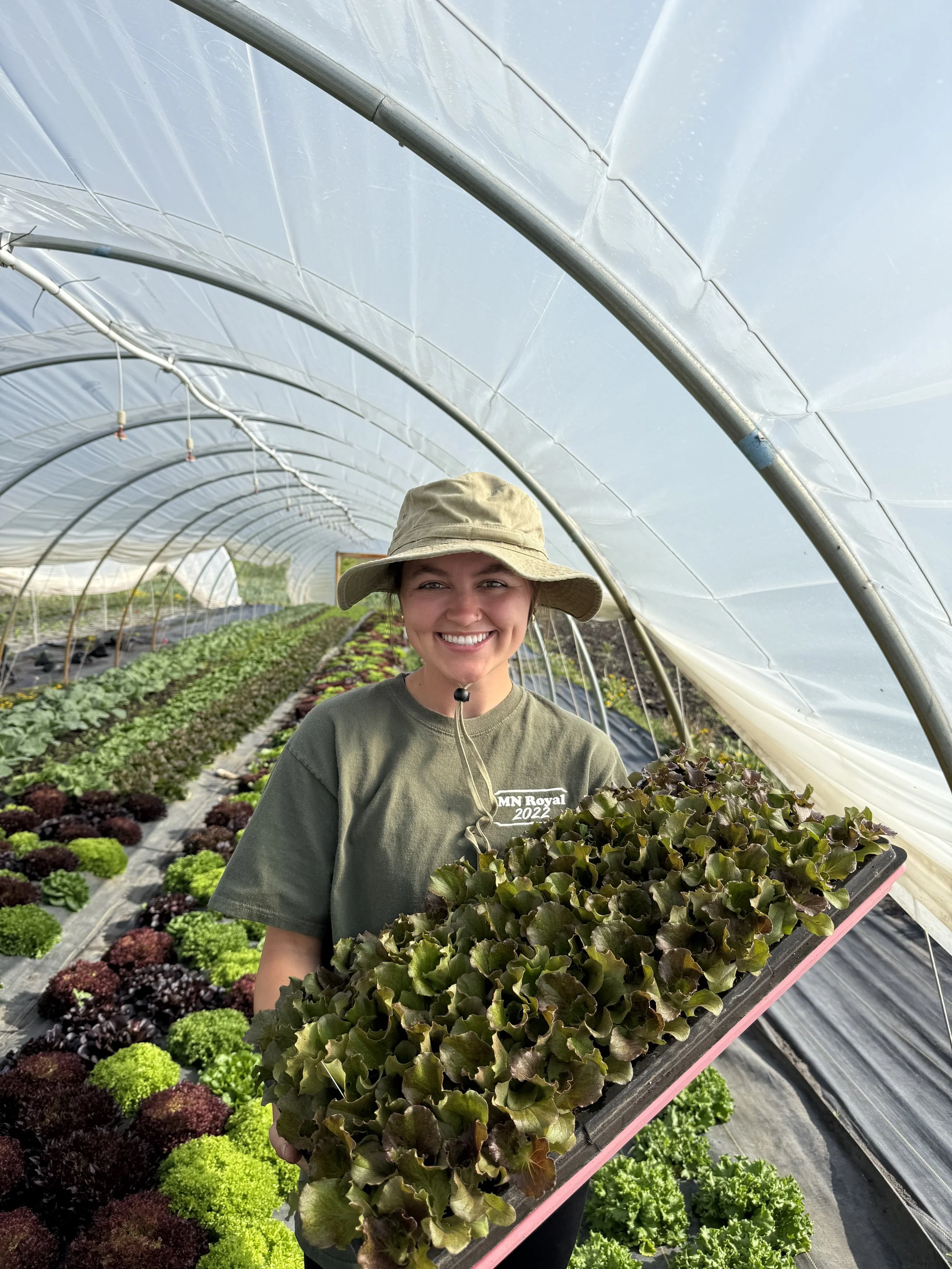
Hiring our first Farm Manager. Katie, who many of you got to know this season, was hired as our first farm manager here on the farm. Katie did a fantastic job for us - she was fun to be around, had a great work ethic, was a natural at all things farming, and all around just a good person. I wish I could tell you Katie will be back next season but it sounds like Katie will be pursuing a farming venture of her own. We’re very excited for her!
MPR News Article! I’m a big MPR News fan and I’ve always loved the stories they tell about Minnesotans across the state so I was beyond excited when they reached out to do an article about our farm! This was a bucket list item for me and I loved the story they did. Sadly, I’m not able to find the article on their website so you’ll just have to take my word for it!
Home Delivery. Home delivery has proven to be a huge hit. The amount of gratitude folks have expressed for offering home delivery as a service has been huge and so rewarding. We know how chaotic life is, especially with children, so having your veggies show up on your door is a huge convenience for so many people!
Spring Tunnel Crops. Our high tunnels pumped out so many amazing crops this season. After loosing multiple beds of carrots in our high tunnels last season it felt really good to harvest and sell everything we grew in our high tunnels this spring.
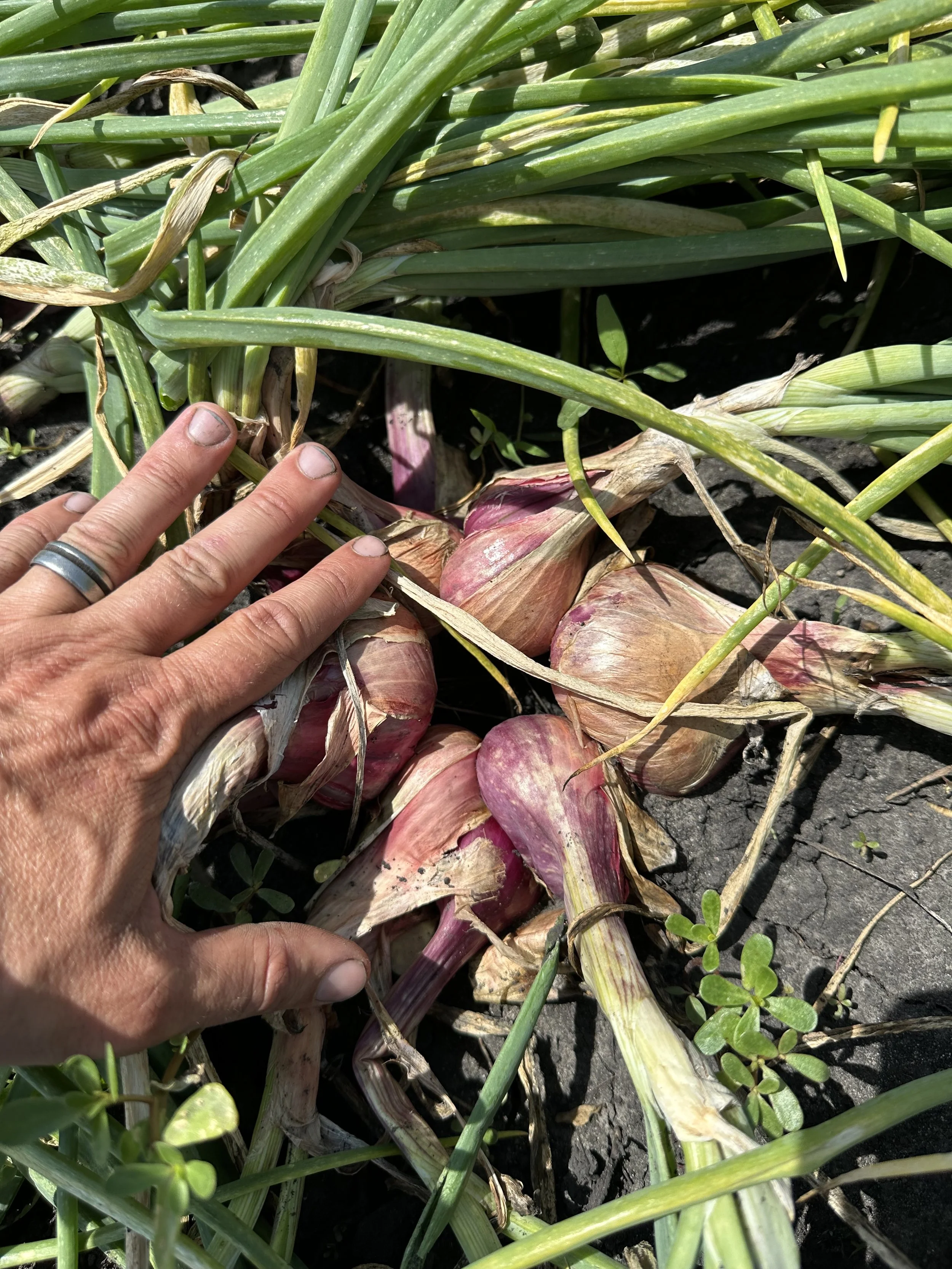
Shallots. This year was our first year growing shallots and we were quite happy with the results. They were pretty easy to grow, extremely flavorful and held up in storage well. A little goes a long way with shallots. We’re planning to grow them again next season and are hoping for a little larger bulb size. We’ll see!
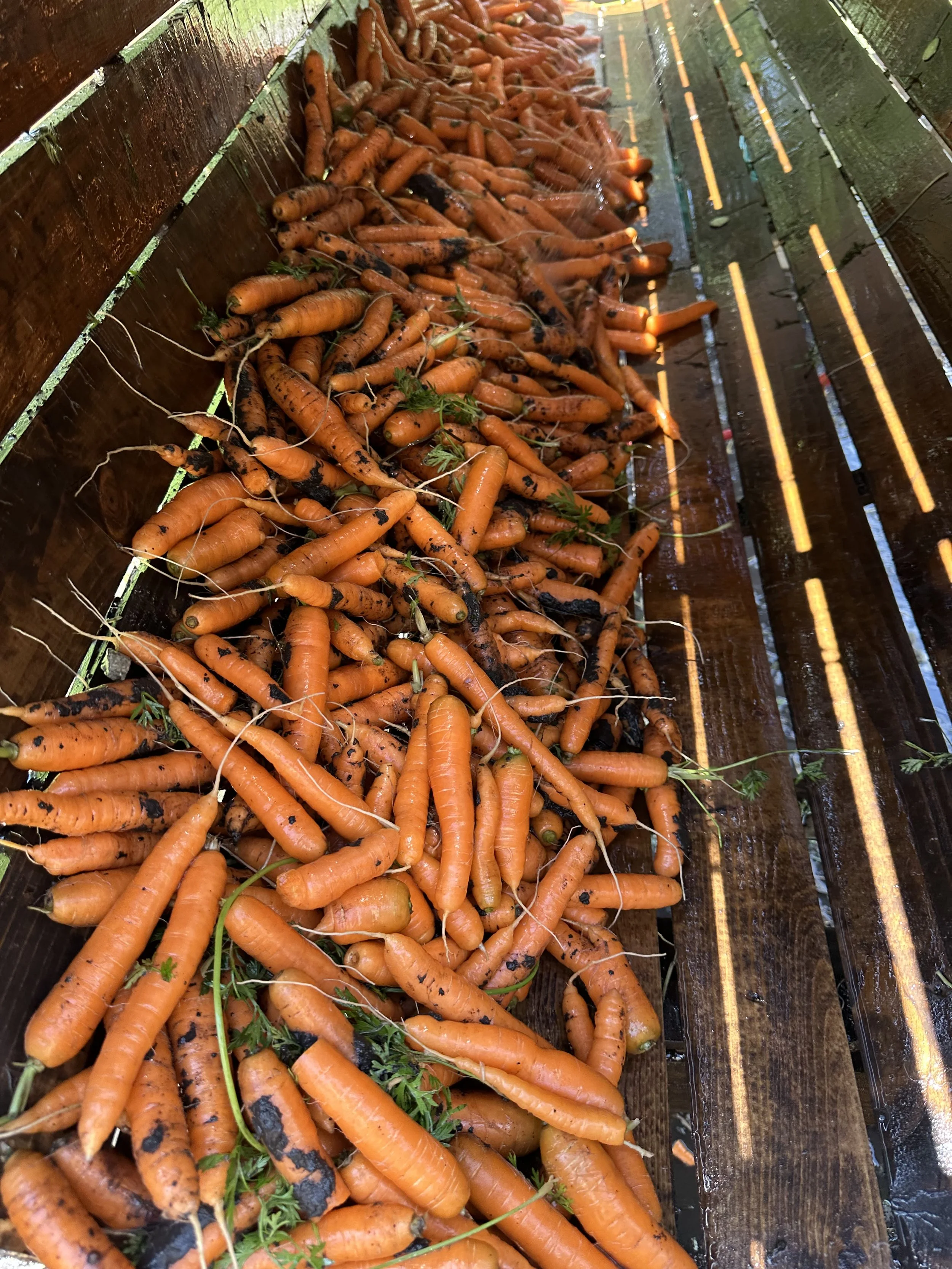
Carrots. We had an amazing year for carrots this season and brought in a record harvest. That felt really good since last season we had an abysmal year for carrots on account of the flooding.
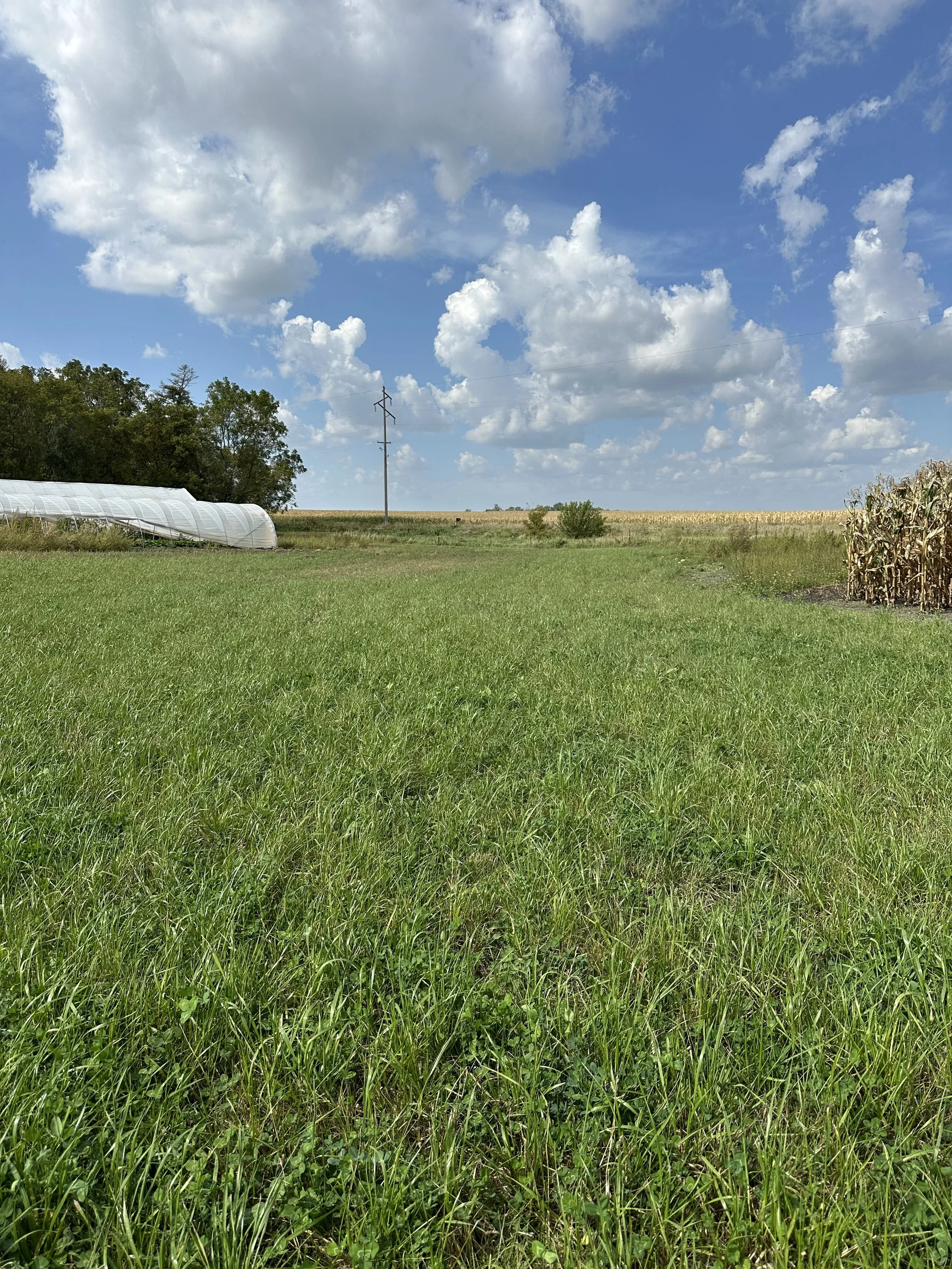
Waterway Mix. It was another wet year so the time, money and energy we put into planting the waterway mix in our lowest areas really felt validating. One of the things I love about farming on a small acreage is you really get to intimately know the land and it’s patterns. We’re glad to have the waterway mix in place to protect our soil and our farm.
Lettuce. I’m really proud of the lettuce we grew this season. We had an ample supply every week throughout the entire season which felt really good.
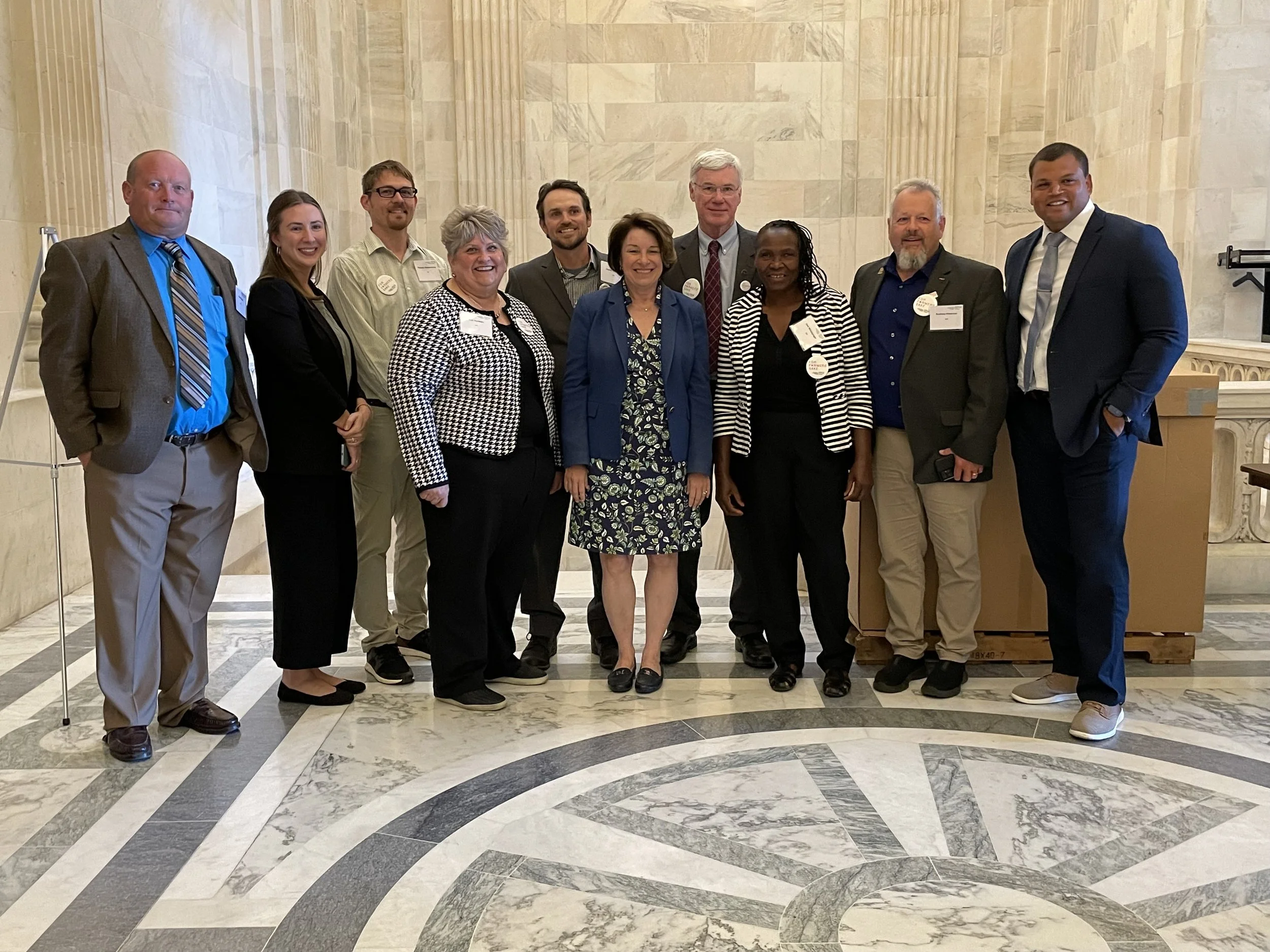
Washington D.C. In September of this year I went to Washington D.C. to meet with Minnesota’s congressional delegation to lobby for farm policy that makes more sense. For me, it was advocating for the Local Foods Purchasing Assistant(LFPA) program that the Trump administration canceled early in the year. LFPA proved to be a vital program for not only farmers but main street businesses and folks experiencing food insecurity.
Tunnel Snow Management
We’ve just had our first big snow of the winter this past weekend. I don’t know about you, but I love winter and the snow but with is comes a different set of challenges. It might surprise you, but we need to carefully and thoughtfully manage snow around our tunnels even if they don’t have crops actively growing in them. This is especially true for our smaller “caterpillar” tunnels pictured below.
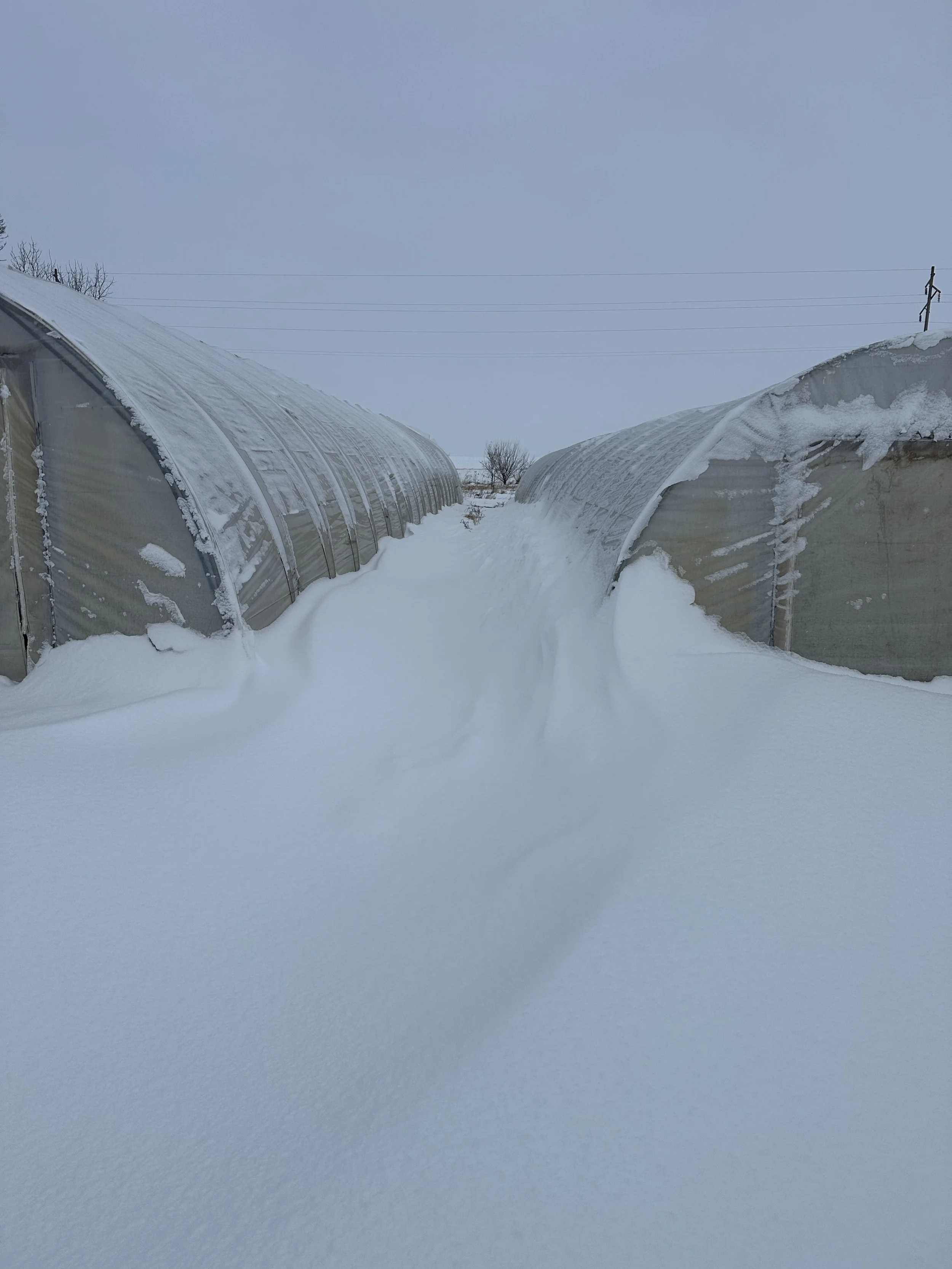
It’s a bit difficult to judge scale on this photo but the tallest drift on the right side of the photo is around 4 feet deep.
Native Minnesotans will recognize the different types of snow we get here: the loose fluffy stuff, the heavy “heart attack” snow, and everything in between. The “heart attack” snow is the most dangerous for our tunnels since by volume it has the most weight but even the fluffy stuff and cause problems. Over time, snow will build up on and between our tunnels. One or two big snow events won’t matter that much but an entire winter's worth of snow events would build up enough snow to collapse or damage our tunnels. To get ahead of that we routinely clear snow from the roof and in between our tunnels.
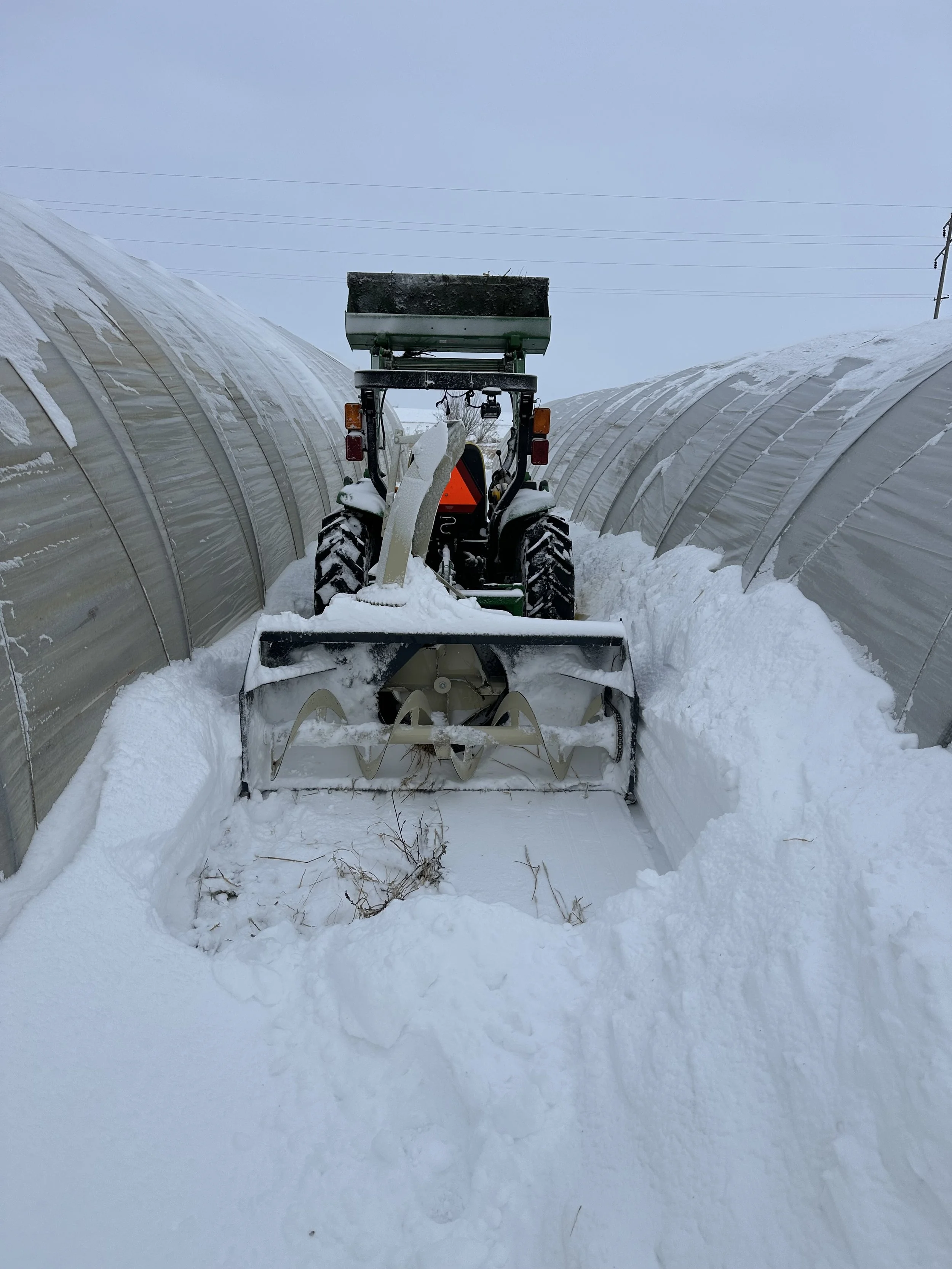
Our tractor and snowblower doing work!
We make use of our tractor and snow blower to tackle snow removal from the tunnels. We have our tunnels spaced such that we can fit our tractor and snowblower in between the tunnels. The snow is blown either completely over the tunnel into the field in the case of the smaller caterpillar tunnel (pictured right above) or blown to the north away from the tunnels in the case of our larger gothic style tunnels (pictured left above).
Bonus Tidbit: Some snow is actually REALLY good for our tunnels in the winter. Around a foot of snow all the way round the base of the tunnels helps to seal the tunnel where the plastic meets the ground. This helps us in two ways. First, it stops cold winter winds from entering the tunnel. Second, it helps to insulate the ground around our tunnels which preserves precious heat the soil inside the tunnels.
Protecting Our Winter Crops
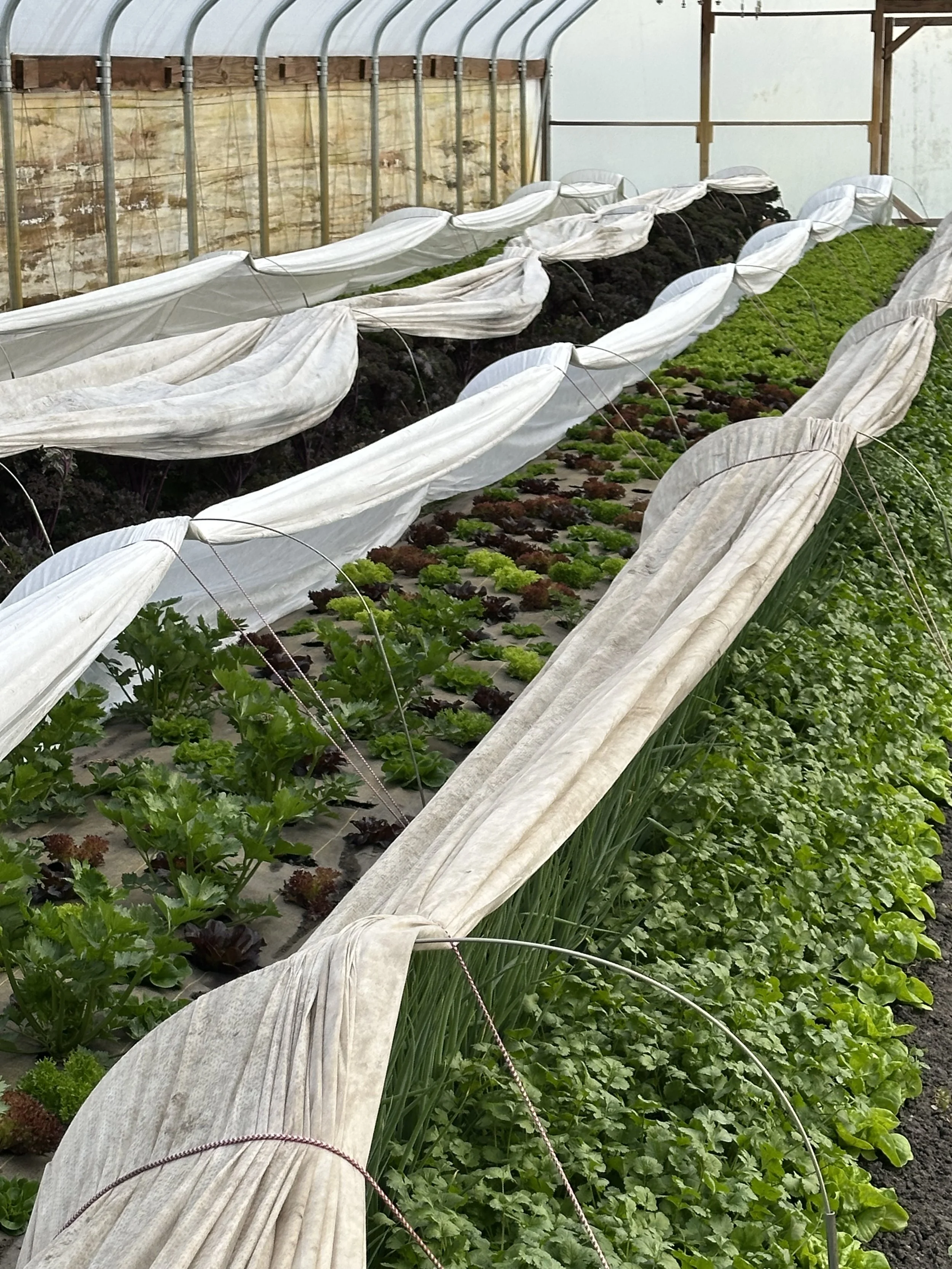
Winter is on the way and it sure felt like it this past weekend. In preparation, we installed our row covers inside our tunnels to protect our winter crops as we transition into winter. It’s important to protect our crops from temperature fluctuations and help preserve warmth in the soil as we head into winter. The warmer we’re able to keep our crops and soil, the longer into the winter we’ll be able to bring you some of the more delicate winter crops we grow like salad turnips and radish.
The photo below captures the gist of our setup. We have wire hoops that straddle each bed with white row covers that are held in place with bungee cords. The bungee cords aren’t totally necessary but they are handy for holding the row cover up while we harvest. The row covers are anchored into the ground at each end of the bed with large staples.
We use the wire hoops to help suspend the row cover over our crops without touching them (except for kale - it’s too big!) which helps both reduce disease pressure by keeping moisture off of plant leaves. It also helps protect the crops better - if the row cover is damp and freezes and is touching the plant leaves then there’s a higher chance that crop will be damaged. There is management involved with the row cover. Depending on the temperature, cloud cover, etc, we’ll need to uncover the crops each morning and cover them again a couple hours before sunset.
The row cover provides around 4-5* of temperature buffering. Add that on top of the tunnel which keeps the wind off the plants and gives a couple more degrees of temp buffering. Finally, we have some heat banked in the soil. Overnight the soil gives off some heat and the row cover helps keep that heat closer to our crops. Taken together, this system has allowed us to produce lettuce - our most popular crop - into December consistently.
Persephone Period Approaches
Here we are at the end of October and we’re quickly approaching what’s known as the persephone period. That is, the time of year when daylight falls below 10 hours of light per day. This date is important because it’s the key to timing our crops so that we can get a winter harvest from them. Why? It’s because plant growth essentially stops once daylight falls below 10 hours of light per day. This means that we need to time our winter crops such that they are around 80% mature by the first day of the persephone period. That’s around November 7th for our part of the state.
The complication is exacerbated by the fact that the daylight decreases slowly from the summer solstice and by time September rolls around we’ve lost enough daylight that it affects the "days to maturity” guidelines that our seed companies offer. Further, the cooler temps also slow plant growth. Taken together, getting the planting date correctly to have our winter crops 80% mature by the beginning of the persephone period is tricky.
The Persephone Period extends from November 7th until February 4th. Our winter spinach will see pretty rapid re-growth in February and March due to the increasing daylight and increasing temperatures. If we get the timing and harvests correct then we can do a harvest of our winter spinach in November - December and have those same plantings re-grow in time for harvest again in March. It’s always nice to get two harvests out of a single bed of spinach!