What do we do when it rains?
Hello dear reader!
Today it is raining. Again. As farmers when our produce is in production mode we harvest in ALL weather. Today though we don't have anything to harvest yet. We won't weed either because our footprints would compact the soil and make it harder for things to grow. Instead we get caught up on all the chores around the house. Here is a short list of some things we can accomplish:
- 1. Clean all our harvest buckets from last year
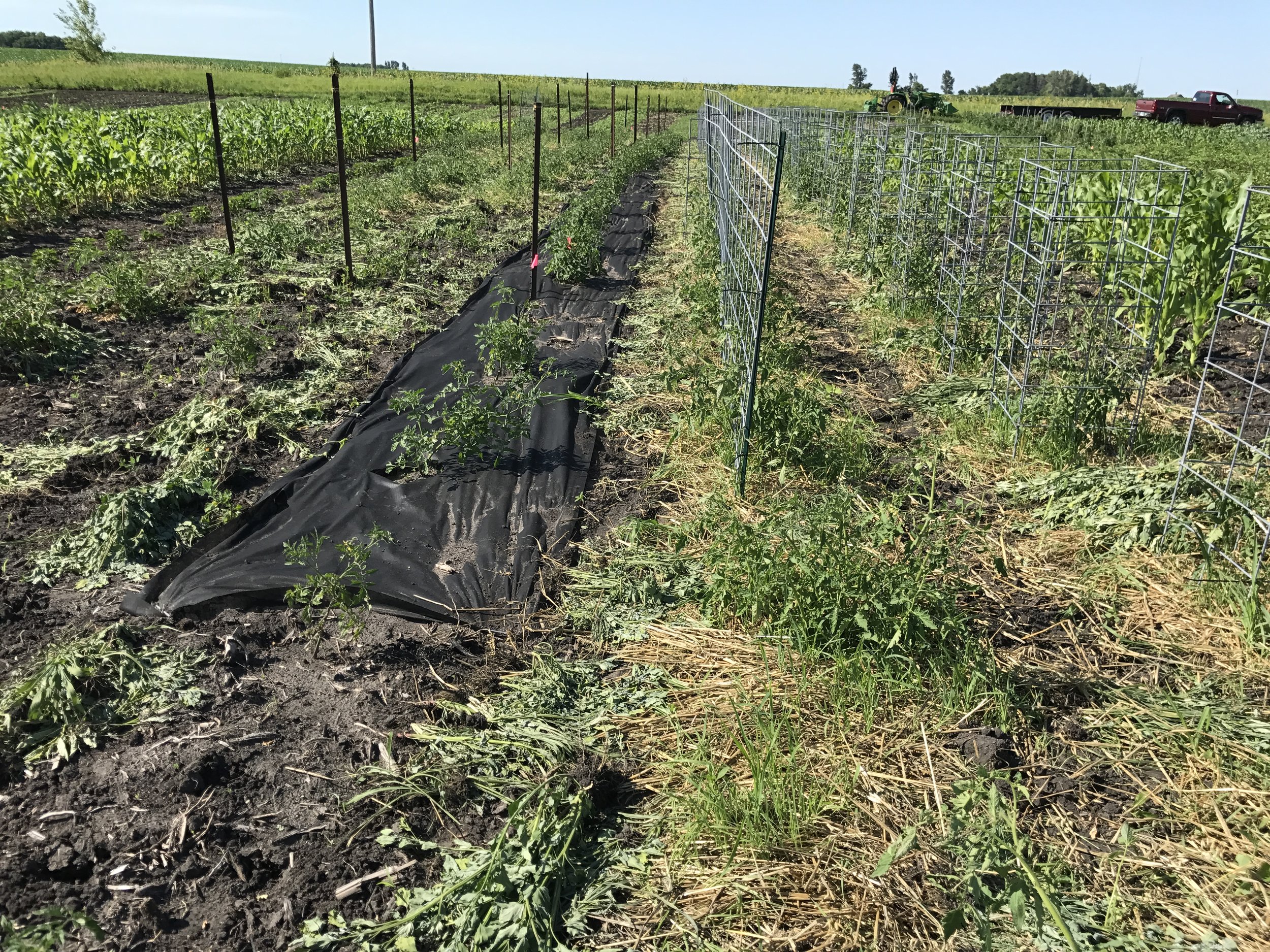
- 2. Cut re-mesh to make tomato cages
- 3. Build and sand down cedar crates
- 4. Care for our chickens
- 5. Write a blog post
- 6. Apply for our marriage license (It's only 15 days away)
- 7. Grocery shopping
- 8. Leisure time - not sure what that is but we try to make time for it!
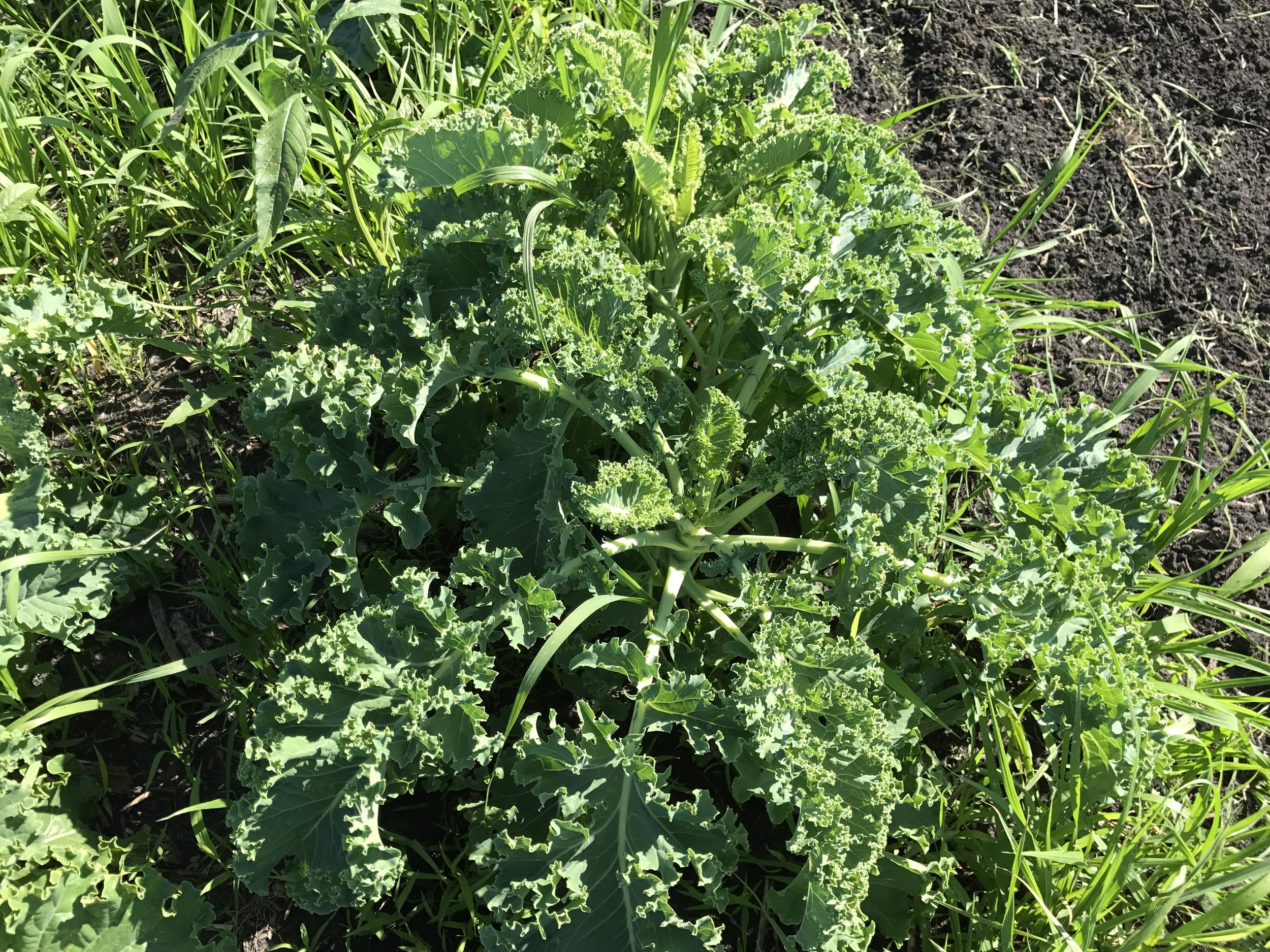
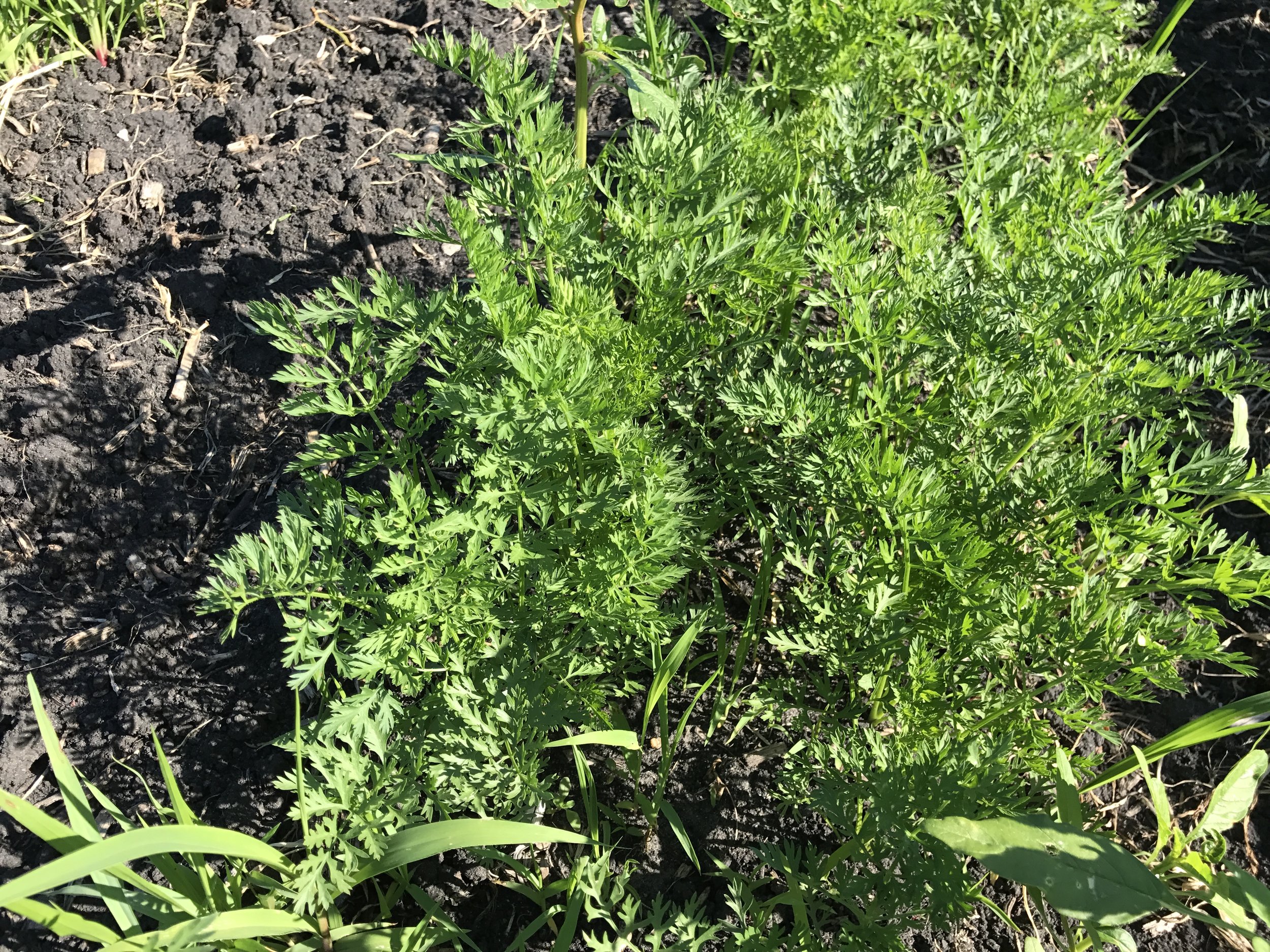
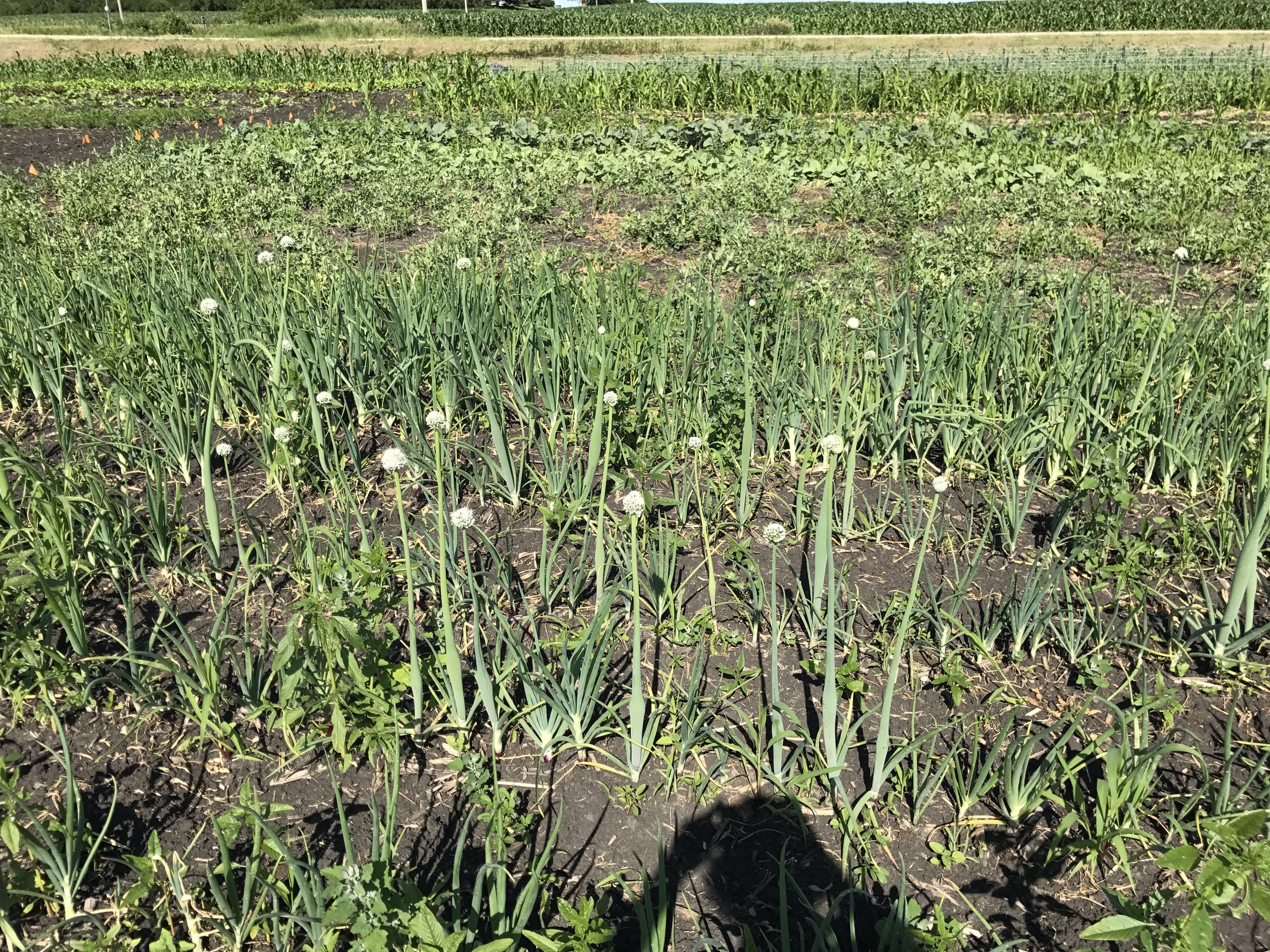
We are trying to be patient as our crops grow. Things are looking good in the field and are growing fast (though not fast enough for us) considering we planted a month later this year than last. We are proud of what we have accomplished thus far and look forward to our season beginning just one week later than last year. Dan and I are also tying the knot the same week and couldn't be more excited (stressed out)!!! Good thing we have Zack to help us out this year! (More about Zack in our next blog post.)


More planting, more weeding and lots of progress!
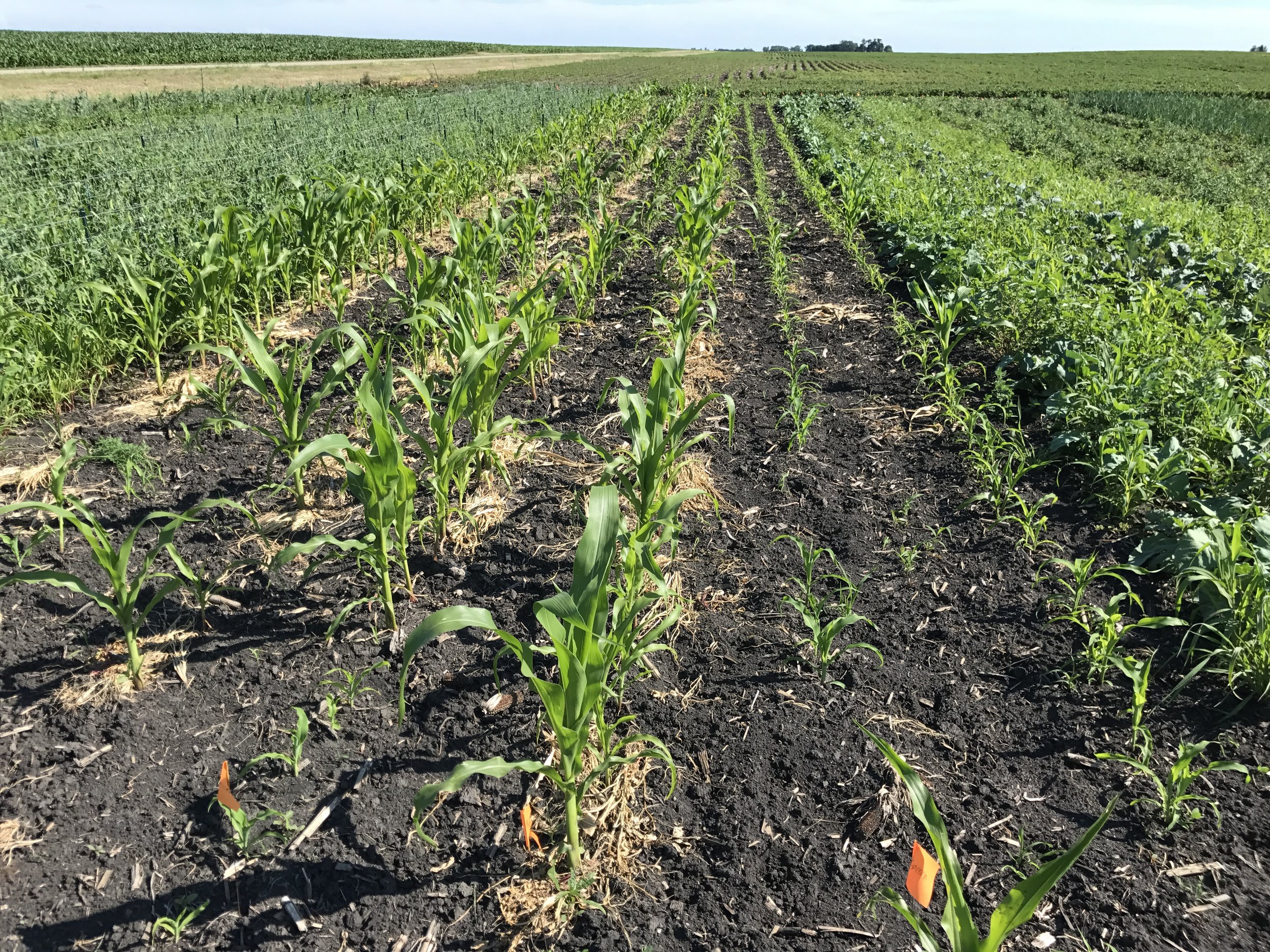
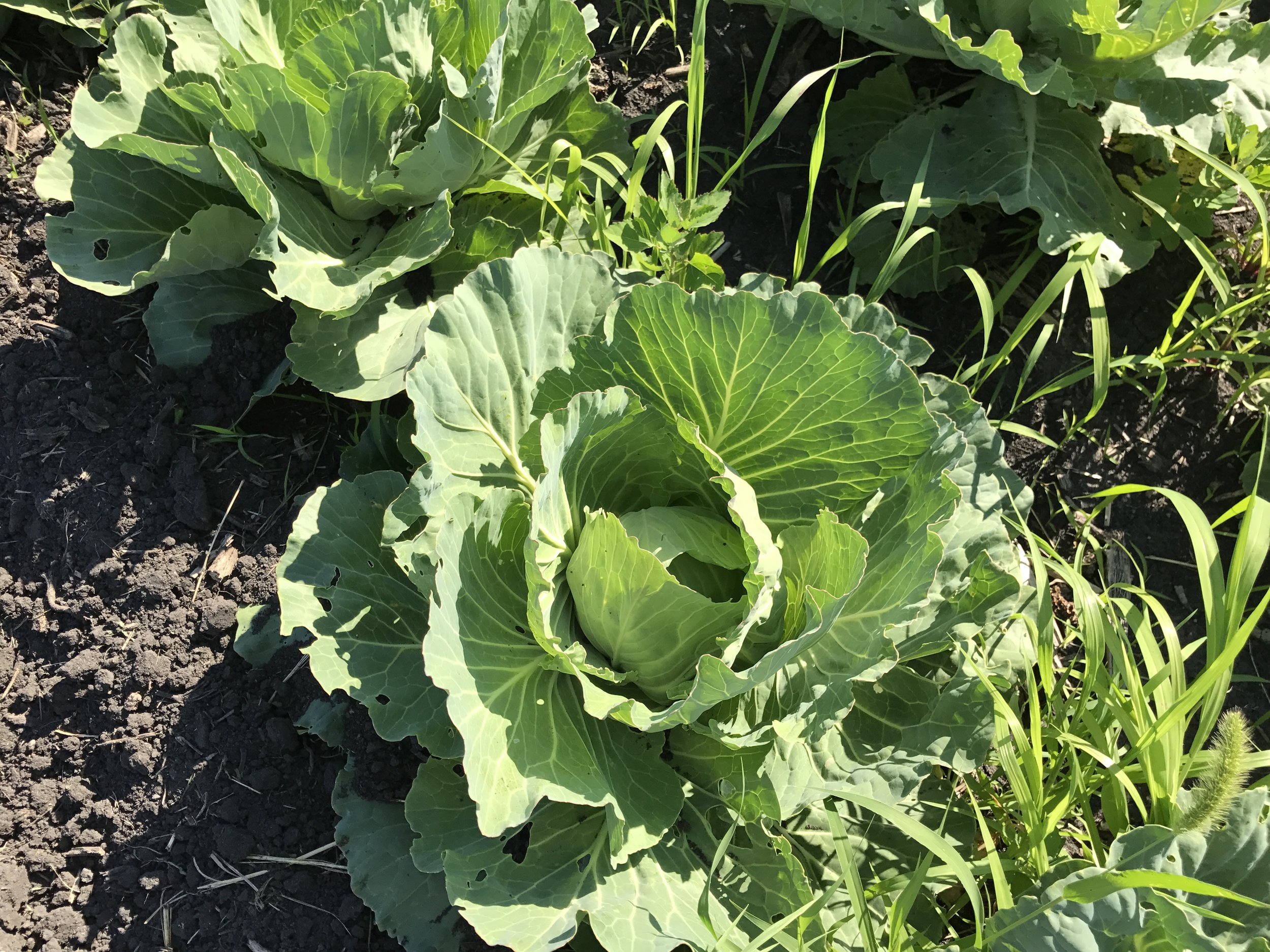
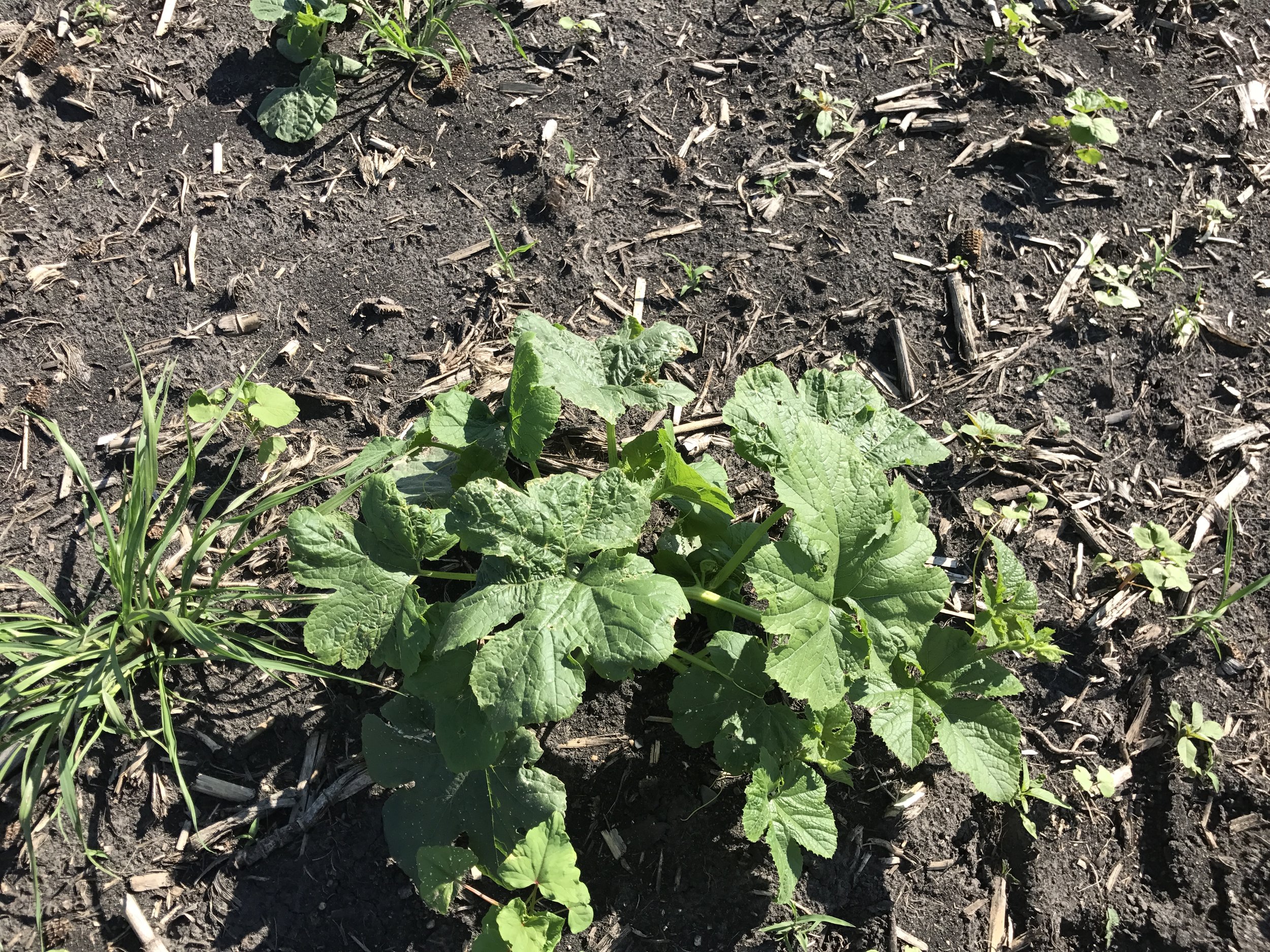
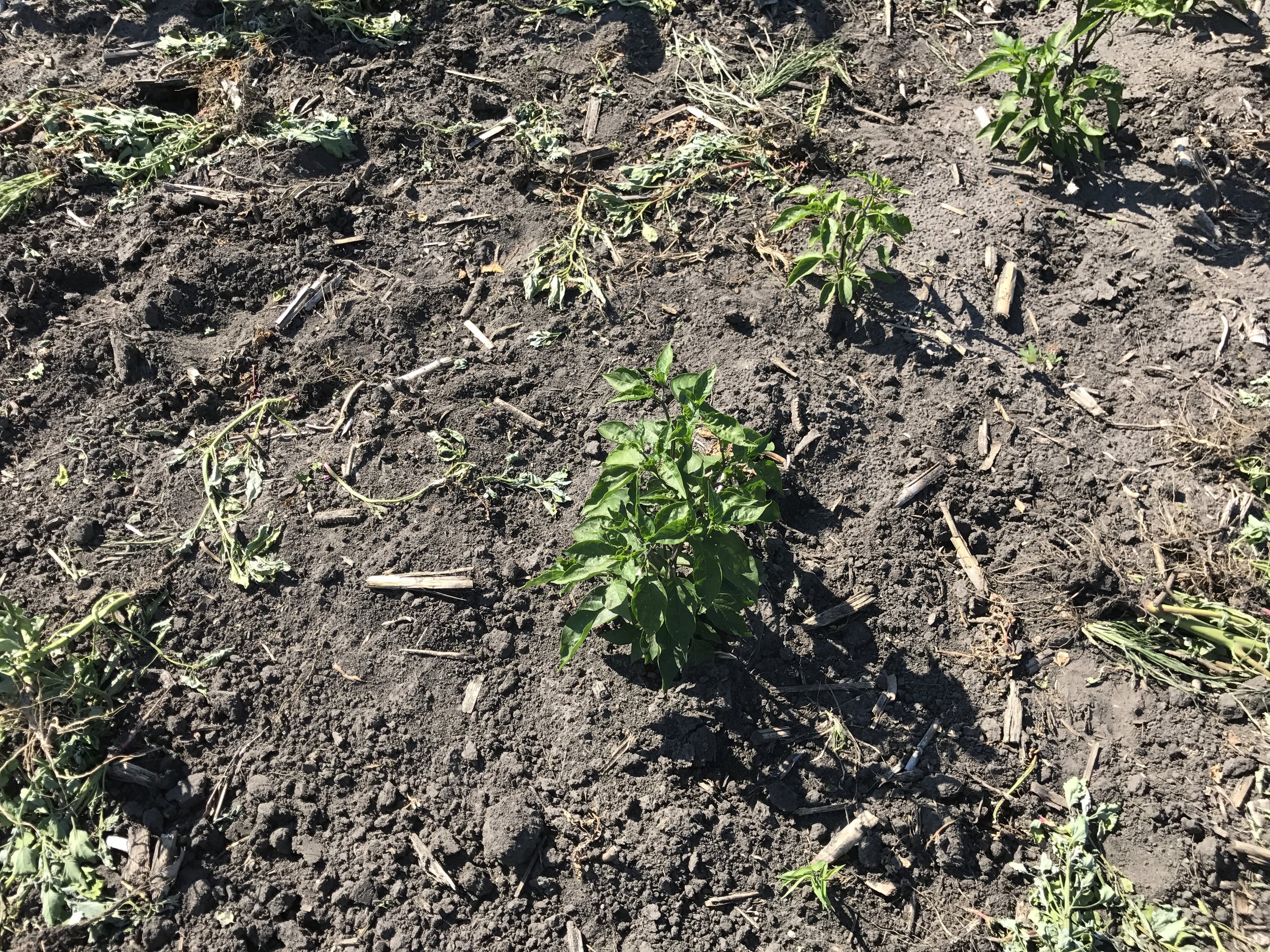
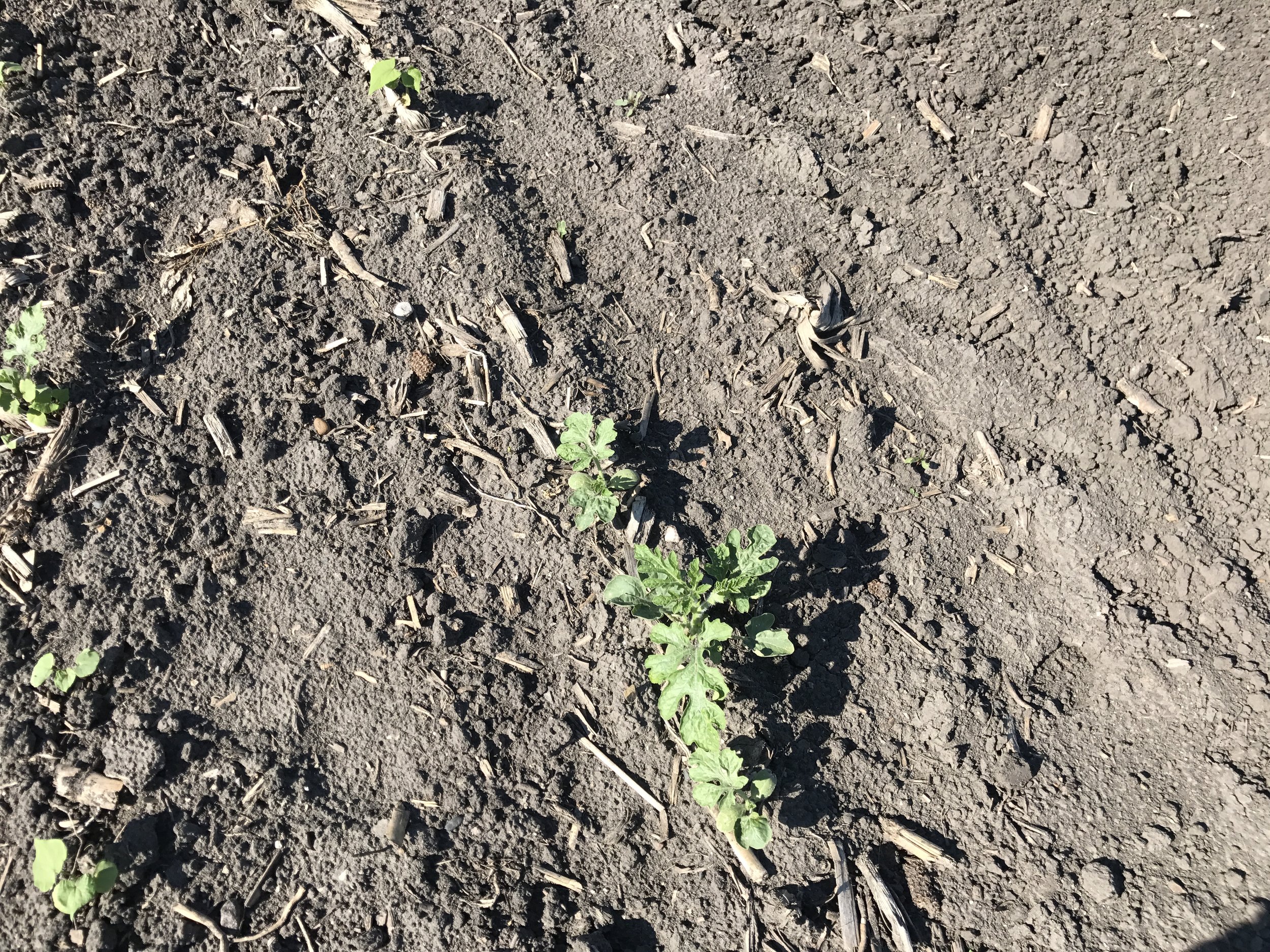
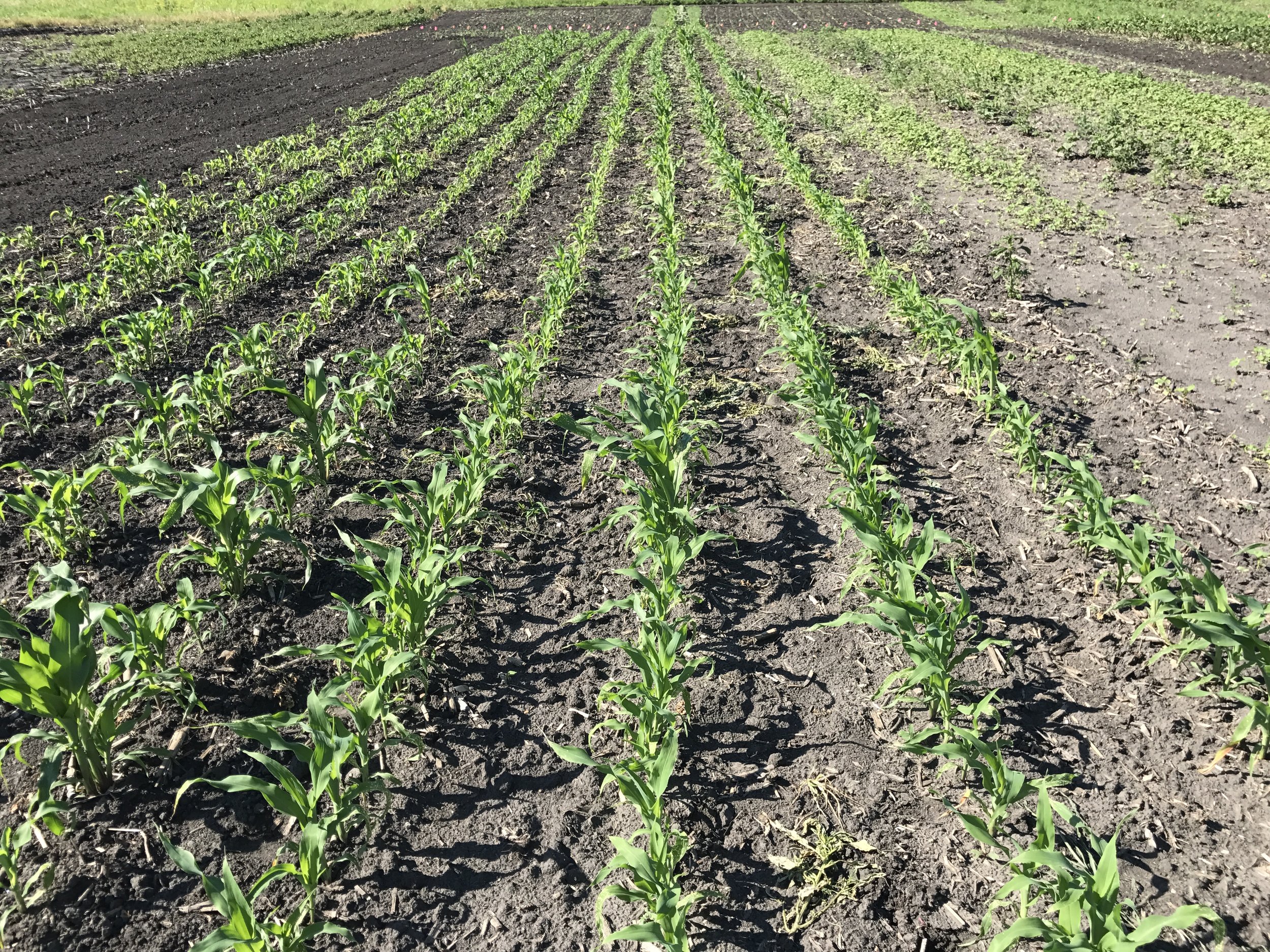
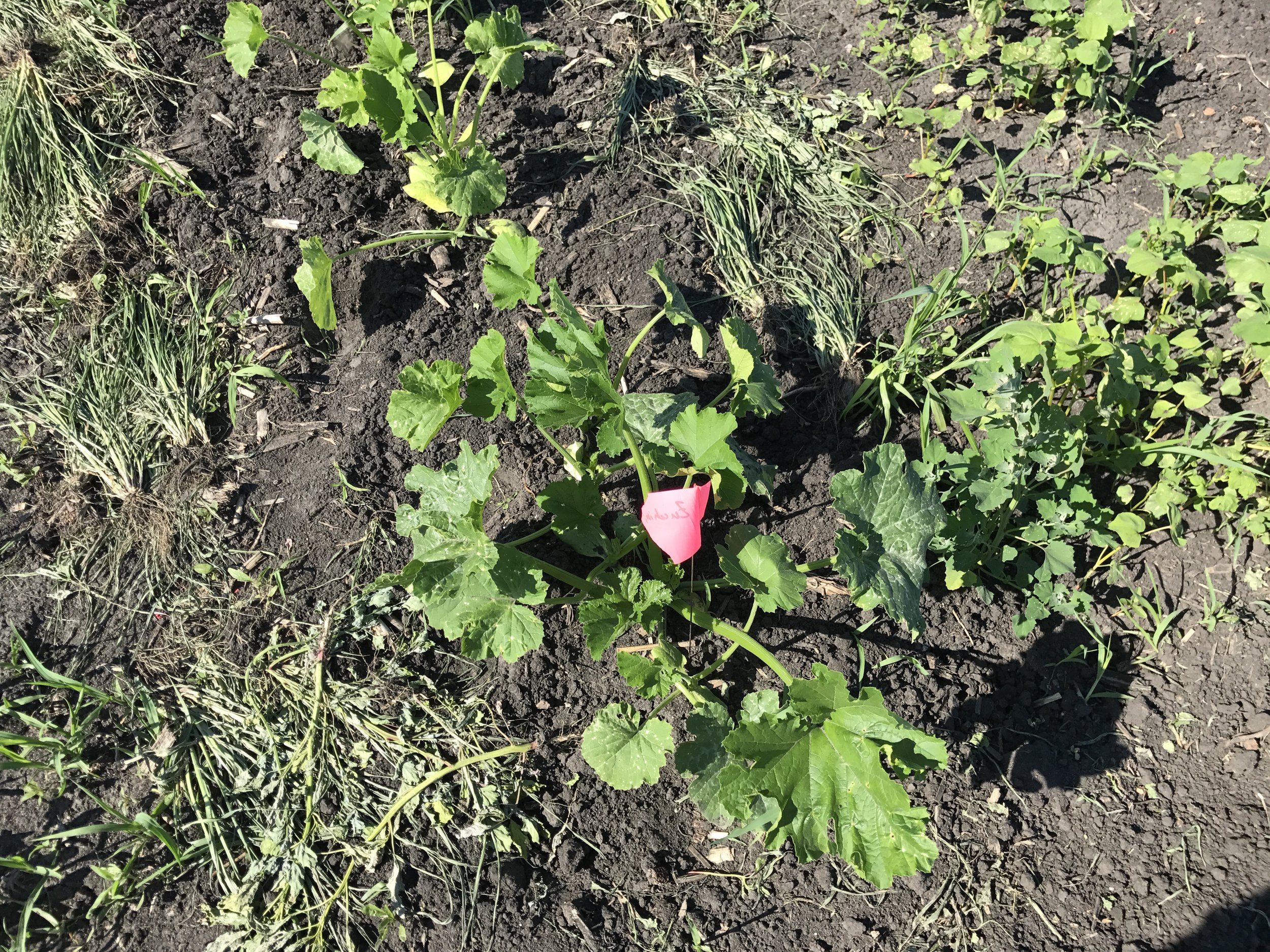
Spring planting continues on the farm. We planted our vine crops (cucumbers, summer squash, melons, etc) over memorial day weekend and were able to get in around 550 peppers, tomatoes and basil before the storms hit! We don't normally like to plant in that kind of heat but our plants were in need of being moved out of their pots and into the soil.
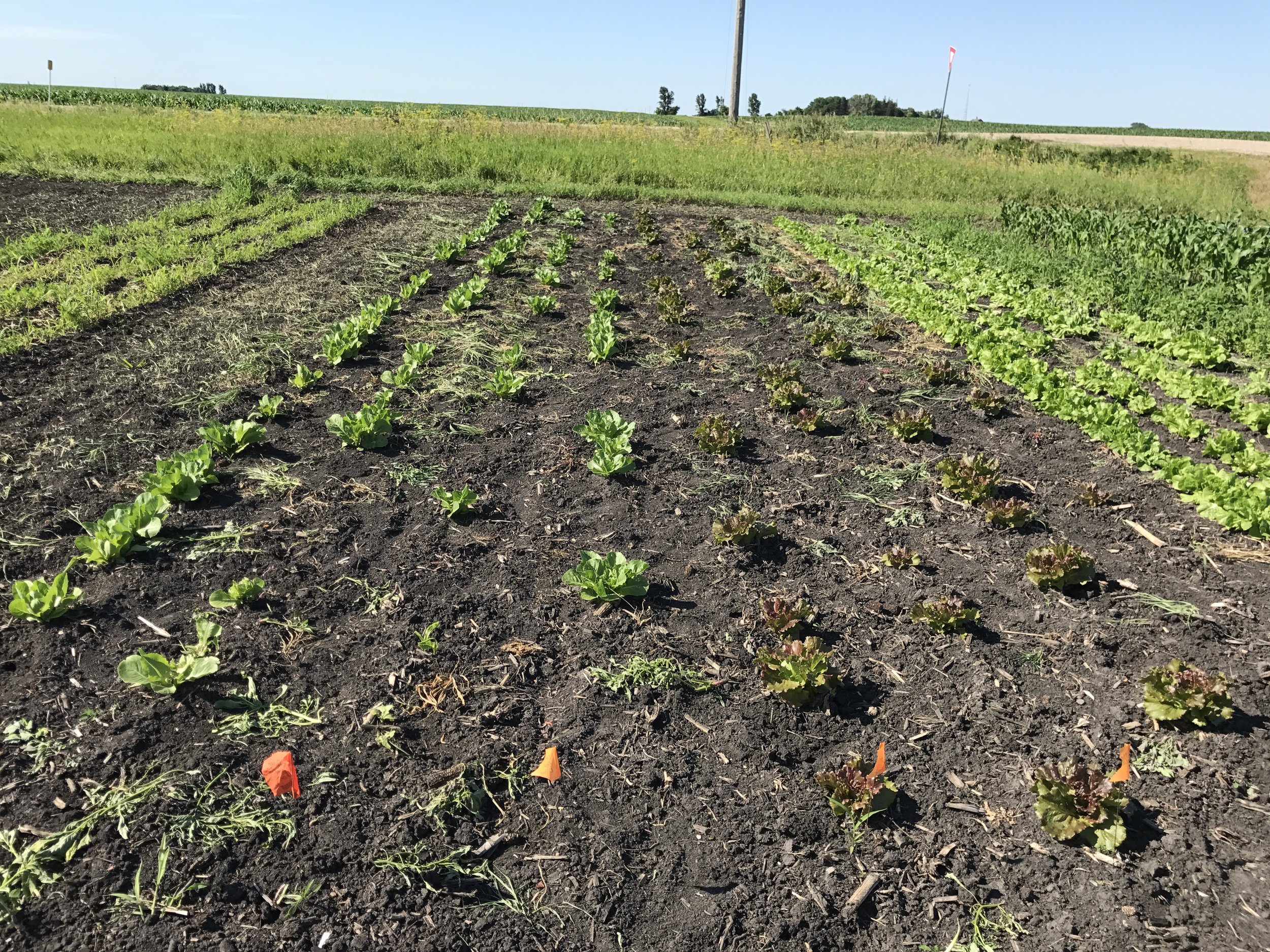
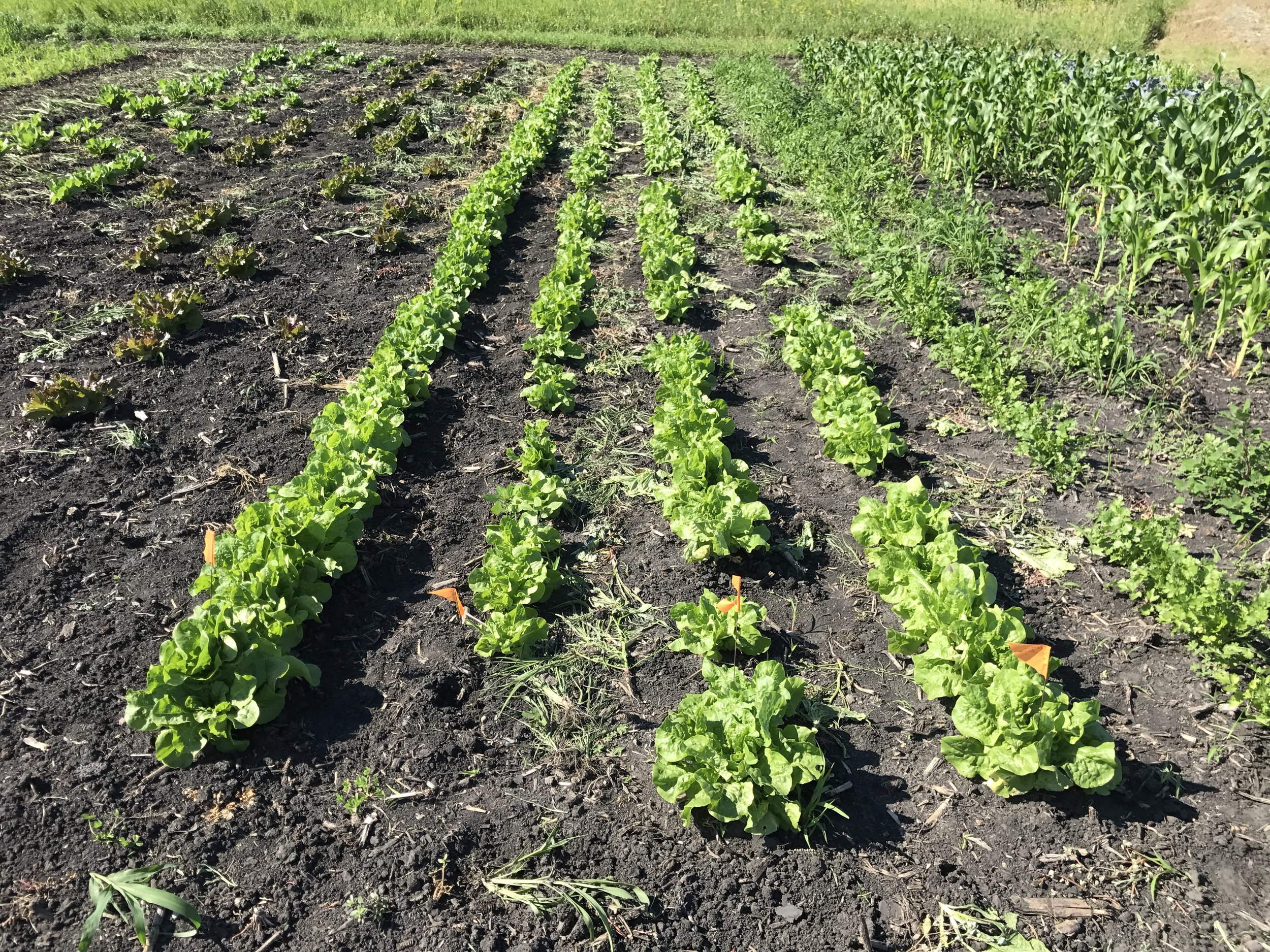
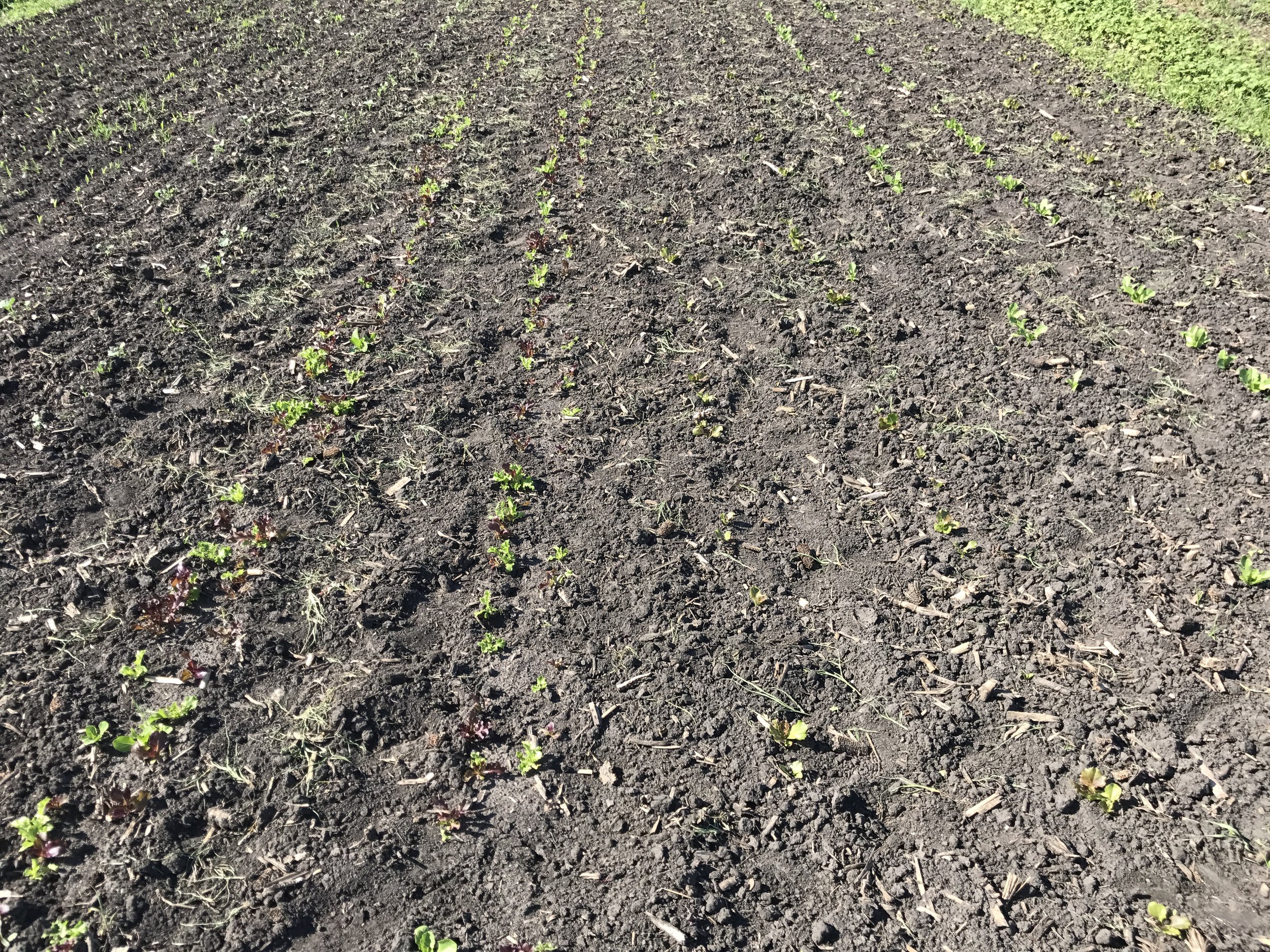
Many of our crops do just fine in the heat - in particular sweet corn and popcorn LOVE the heat. Some of our crops suffer in the heat - lettuce, spinach, peas - all would have liked the 100 degree days to wait another month. Fortunately, it seems the damage was minimal and the rains really helped keep things going after that heat wave.
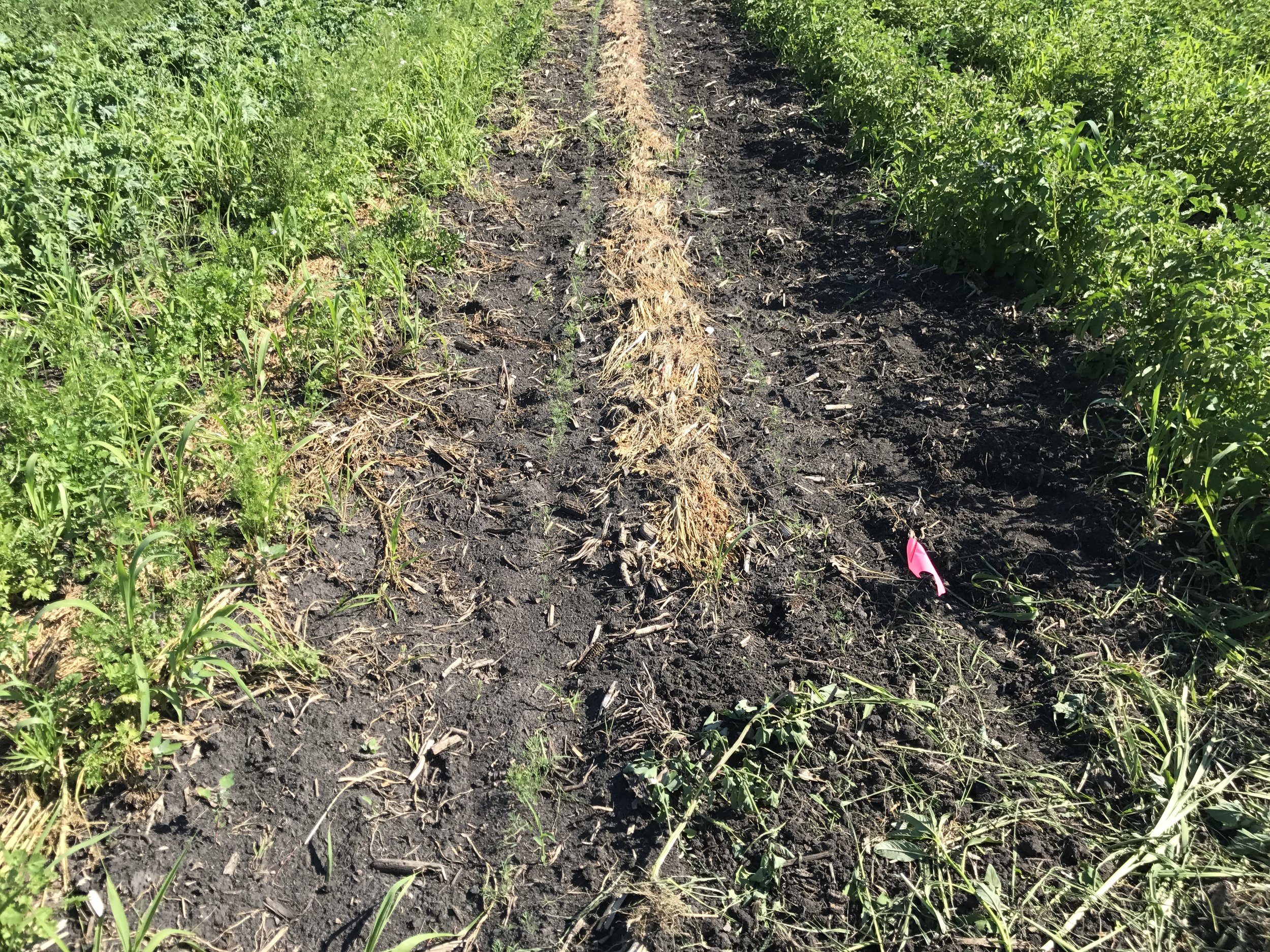
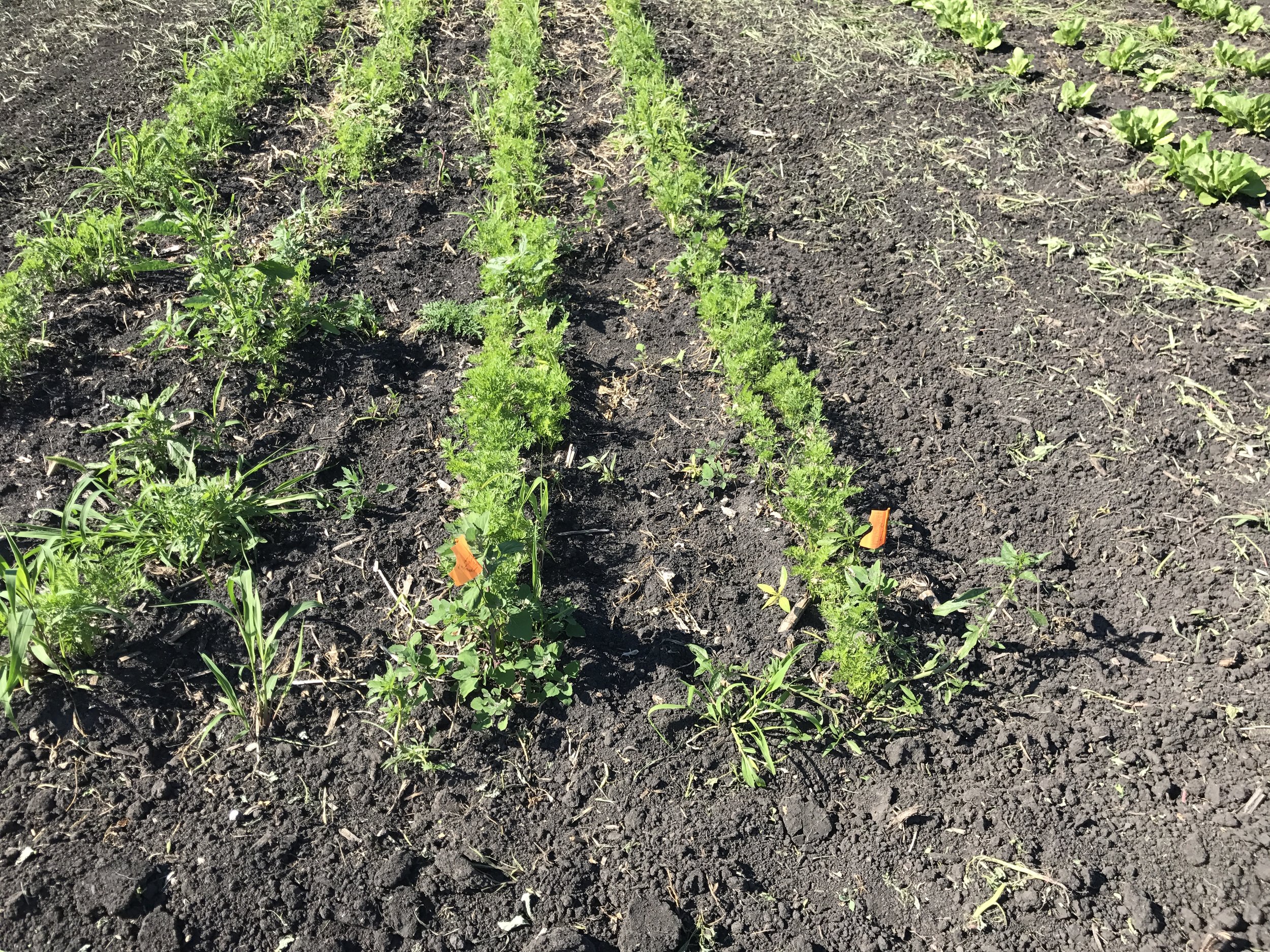
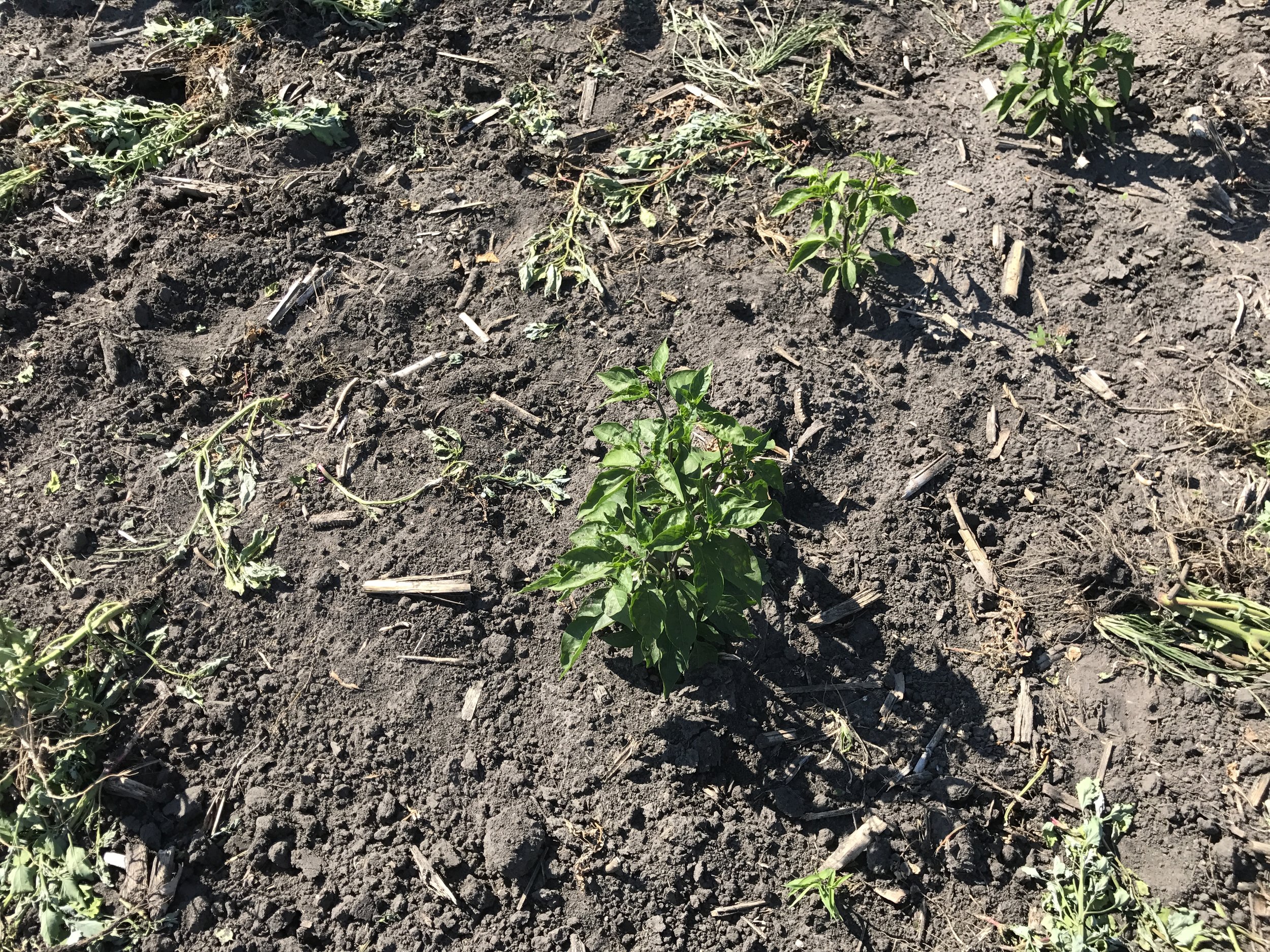
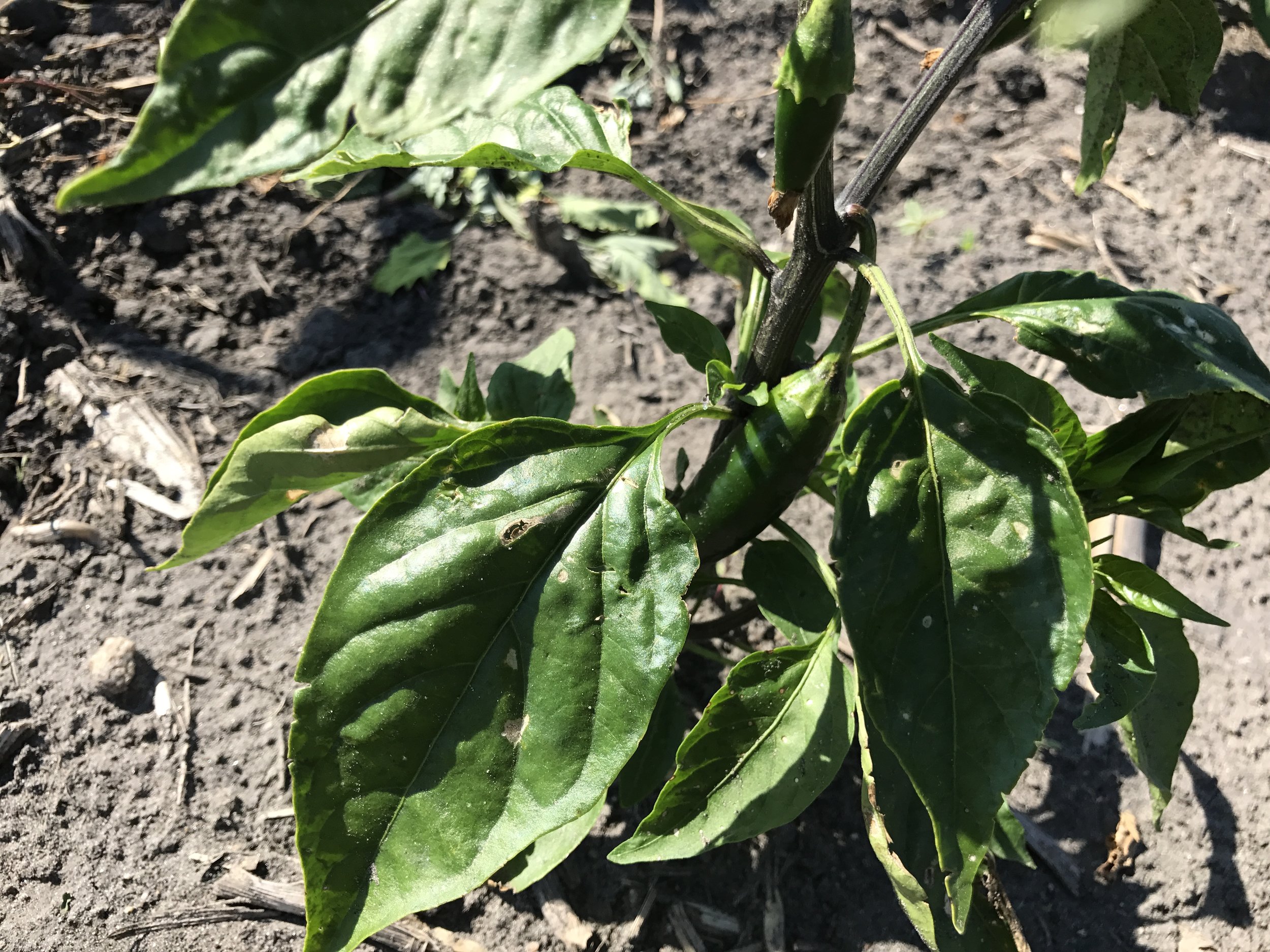
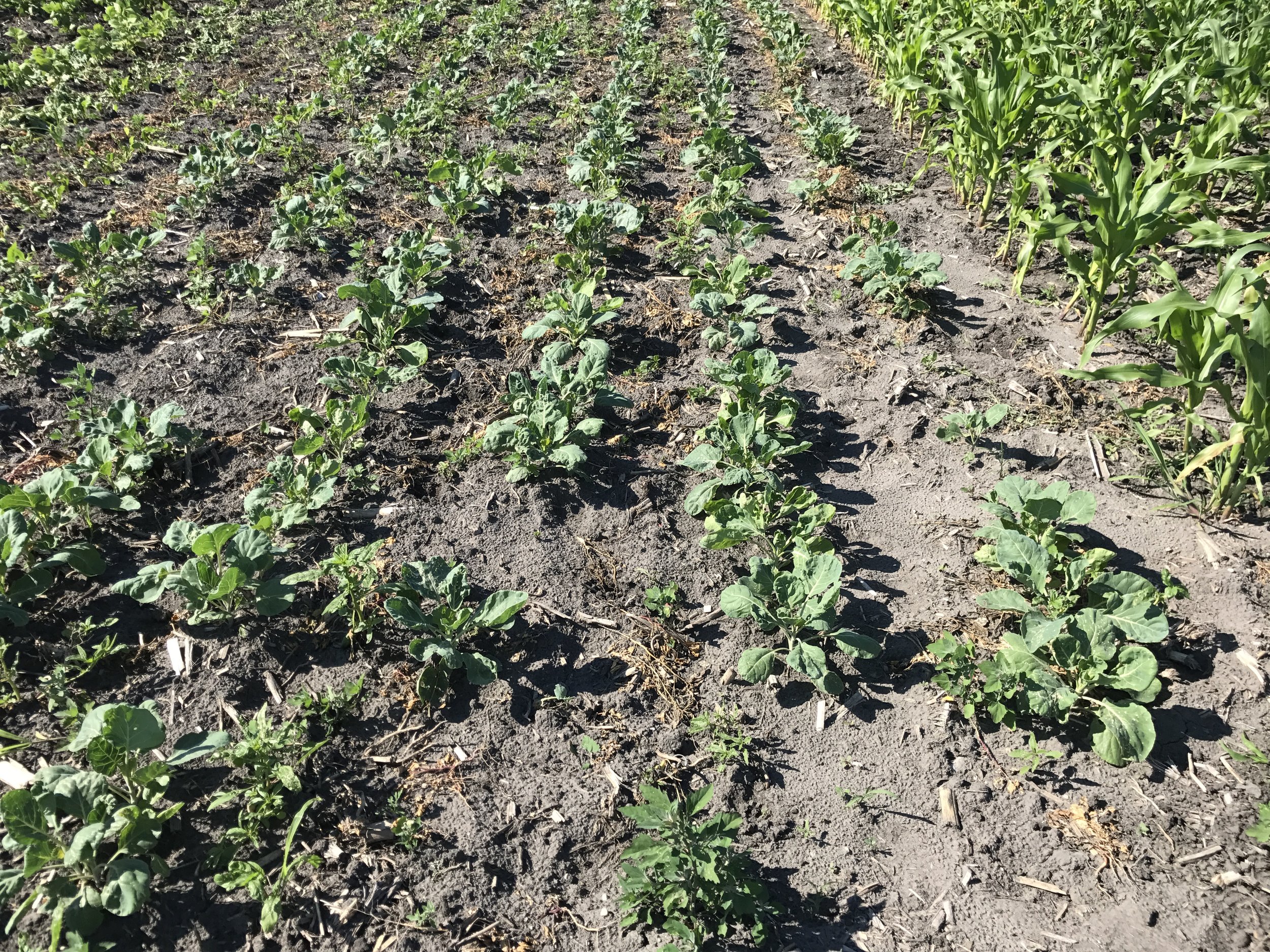
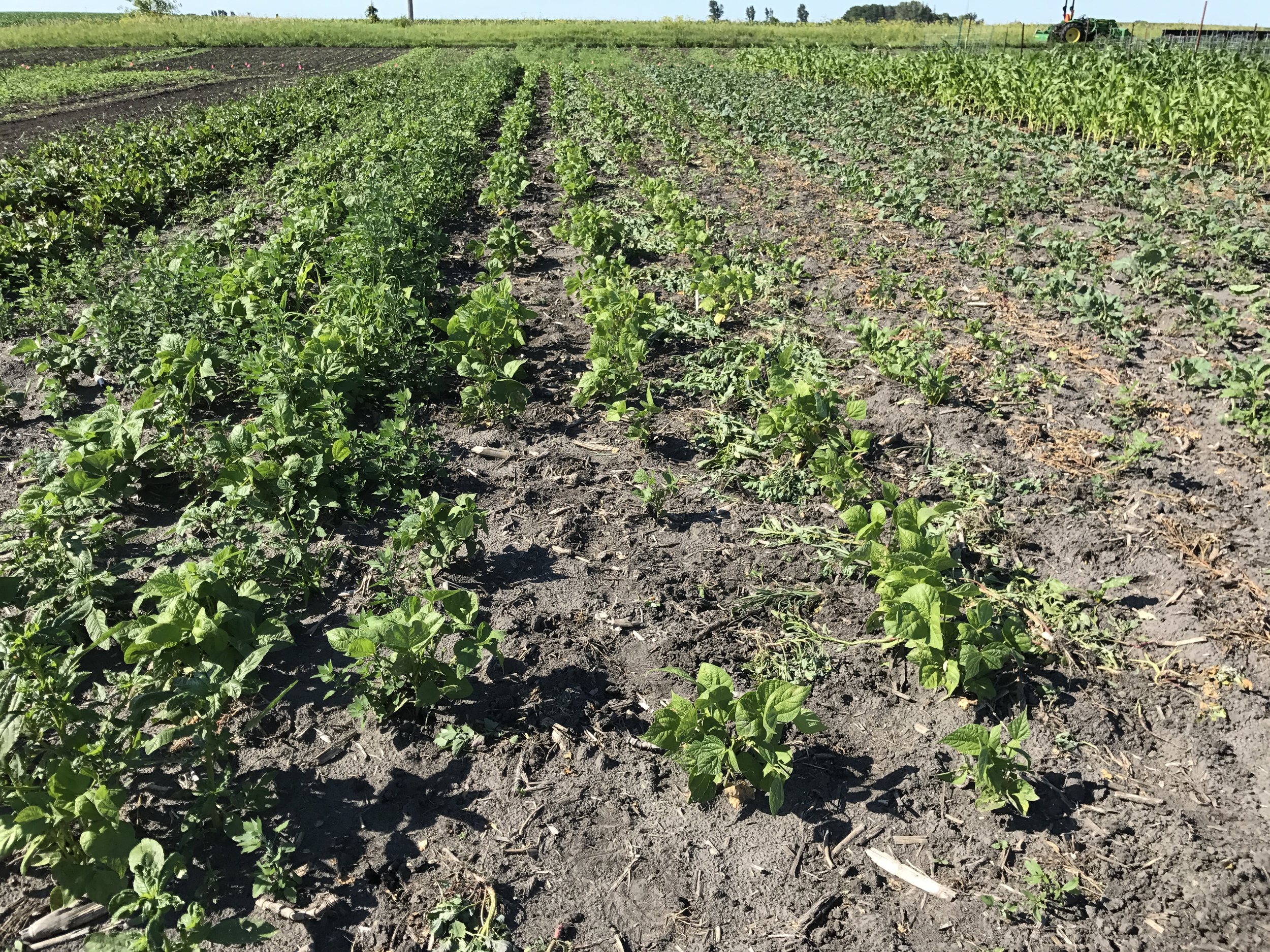
We continue to work on weeds as they tend to love the heat as well. We will be writing a post soon that covers the many methods we use to control weeds on our farm. Stay tuned! In the meantime enjoy these photos of the progress on our farm.


Chicken tractors, planting, and weeding!
It's been a very busy month on the farm! The weather has finally warmed up, we're getting a good amount of rain (if not a little too much) and our new batch of layers have moved out of their brooder box to the outdoors.
The first couple photos in the gallery below are pictures of our home-built "chicken tractor." A chicken tractor is a mobile enclosure that we will use for our meat chickens permanent home when they are big enough to move outdoors. Chicken tractors allow us to keep our meat chickens in a controlled location but also allow them to forage and be outdoors. We will move the tractor daily so that our chickens always have access to fresh pasture. The enclosure also keeps would-be predators out. It's a win-win situation.
We've put our second batch of layers in our chicken tractor until they are big enough to integrate with our adult layers. This allows our adult chickens to "introduce" themselves to our new chickens without the risk of the new chickens being injured as they re-establish the pecking order. Yes, the pecking order is real thing; it's a social hierarchy of chickens that's established, sometimes by pecking, and each chicken has their own spot.
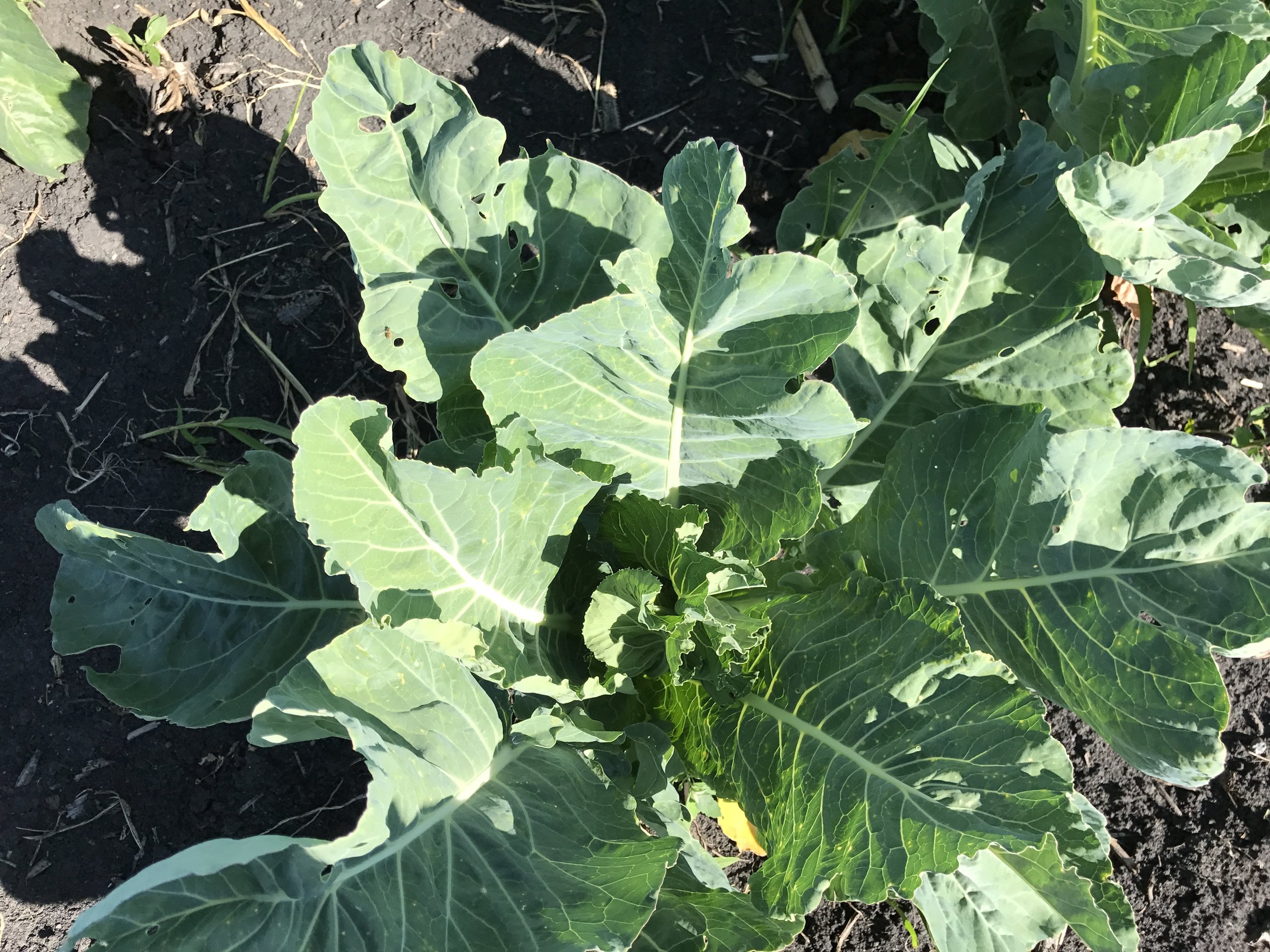
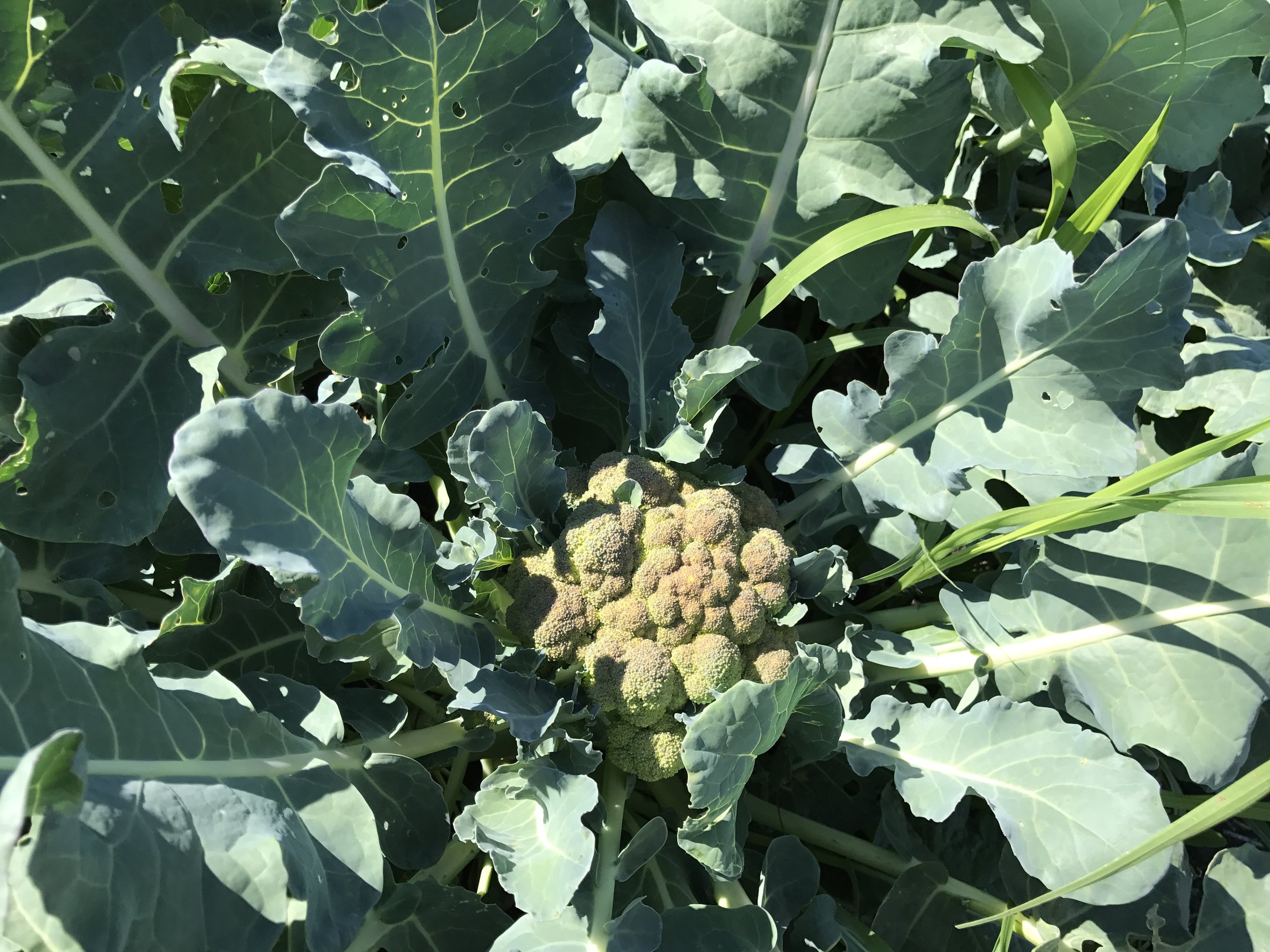
We were finally able to begin planting in early May - we started with our potatoes and onions and moved onto other early season crops like peas, lettuce and radish. As of this writing, we have planted potatoes, onions, peas, radish, lettuce, carrots, arugula, spinach, swiss chard, popcorn, kale, kohlrabi, brussels sprouts, and beets. We've also transplanted our cabbage, broccoli, thyme, oregano, and parsley from their indoor pots to their outdoor locations. It's been a busy couple of weeks!
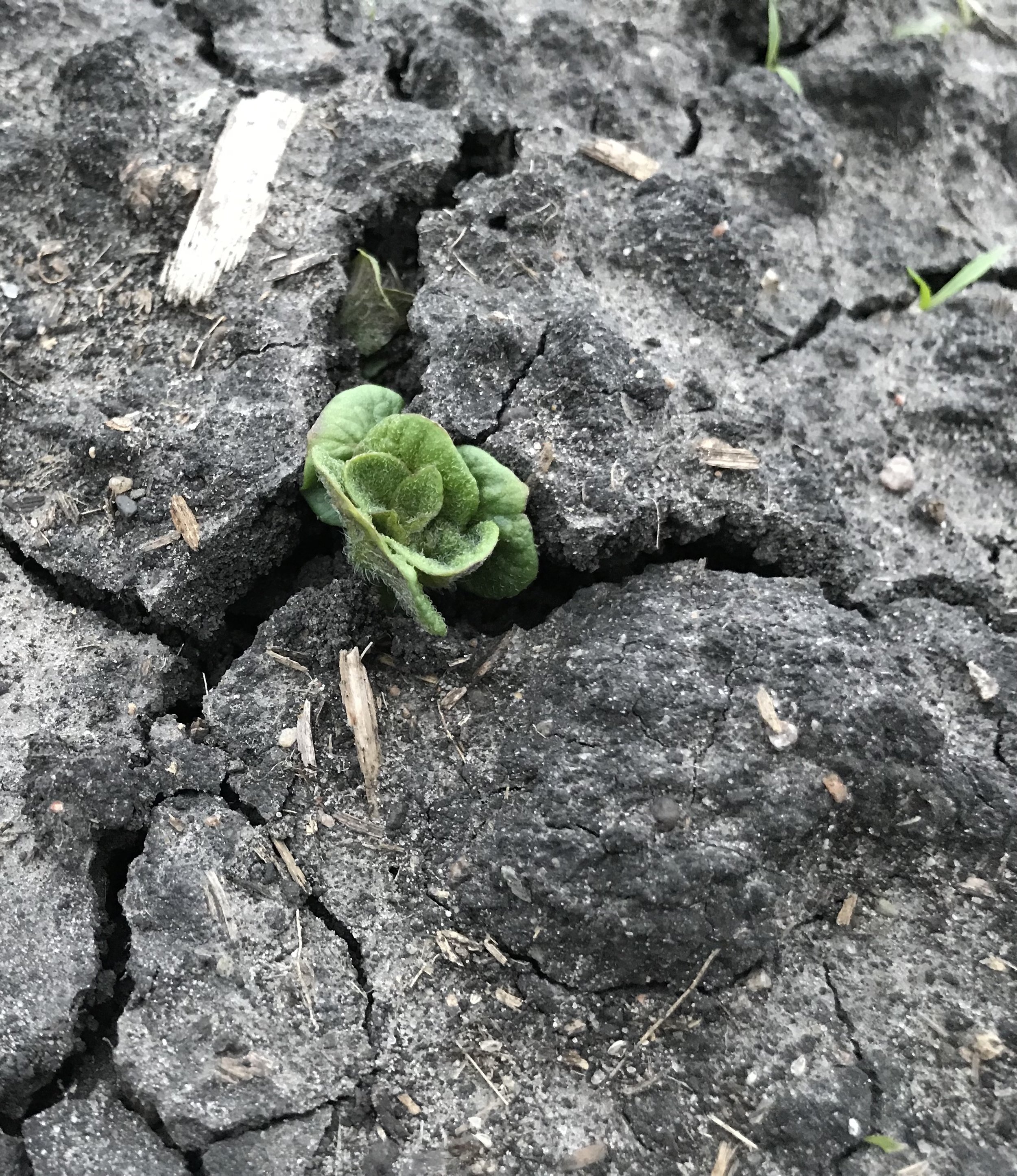
The warm weather and rain has helped all of our plants germinate quickly (and, unfortunately, the weeds too) and everything we've planted is up. We've begun cultivating our produce to try to get a head start on the weeds. We're also planning on transplanting our tomatoes, peppers, and basil in the coming week.
It's a busy time on the farm and we're loving every minute of it! Check out the photos of our progress below:






Spring Update 2018
Hey Folks! It feels a little strange to call this post a "spring" update since we haven't seen many days that resemble spring and there's still a decent amount of snow on the ground. Fortunately, the forecasts for the next few weeks seem very promising with temperatures reported to reach into the 60s by next week. We are very excited for the warmer temps and to get back out into field to begin planting our crops!
You might be wondering if all this snow has an affect on our spring. Simply put, yes it does. By this time last year we had already planted potatoes, kale, kohlrabi, carrots, lettuce, onions, peas, and cilantro. This will likely push the first CSA pickup to mid June but it shouldn't affect the overall number of pickups. We will be closely monitoring our fields to make sure that as soon as it's ready to plant that we're planting!
Despite us not being able to be in our field planting we have been busy starting plants indoors. We start several types of produce indoors including tomatoes, cabbage, broccoli, herbs, and peppers to give them a head start. This year, we have over 1400 plants started indoors and we're very pleased with how they are looking so far! We also recently received a new flock of chickens that will begin laying eggs for us in the fall. They are very cute, very fluffy, and really active little chicks. Between our baby chicks and our indoor plant starts we stay pretty busy!


Our Produce Safety Practices

These were some dirty carrots!
I recently attended a training hosted by the Minnesota Farmers Market Association that is required under the Food Safety Modernization Act (FSMA) and thought it would be nice to share with everyone what steps we take to ensure the produce you get from is is safe to eat. There aren't a lot of photos for this post but it contains some very important things regarding produce safety.
Before we get into our safety practices I should outline the pathogens that are most likely to cause illness in humans. Those pathogens are E. coli, salmonella, norovirus, and listeria. E. coli, salmonella, and norovirus are usually transferred through feces while listeria may be present in soil. Since we do use animal manure as fertilizer on our farm we have to take special steps to make sure that the risk of these pathogens spreading from the field to your produce is trivial. So what do we do to make that happen?

This lettuce is just got done spin drying and is ready to be bagged.
We only spread animal manure in the fall and then incorporate it into the ground. This ensures that the manure breaks down in the soil and that the pathogens are killed over time as the soil breaks down the manure. In addition, since most of these pathogens do not survive as well in less than their ideal conditions (which is around 98 degrees F in a damp location with access to nutrients) they tend to die off over a period of time. The minimum amount of time recommended is 120 days - since we spread manure in November and don't harvest the first produce from our plots until late May that's over 180 days!
Manure isn't the only type of feces we need to worry about. Our plots are outside, in nature, and wild animals do have access to our plot. We do attempt to deter them from entering but that doesn't always stop them. So what do we do if a wild animal poops on our produce? Well, if we can visibly see poop on produce, we don't harvest that produce. Pretty simple. We also bury the animal poop so that it isn't at risk of future contact with our produce and so it gets broken down.

We also take steps in our pack shed to keep your produce safe. First, we make sure that we never have stagnant or standing water in or near our pack shed. Standing water is the perfect breeding ground for many pathogens and also makes for an easy transfer vector for pathogens. Second, we clean and dry our harvest buckets and coolers every day. We also make sure to change our water frequently when we're cleaning things like lettuce and spinach. Finally, we keep our pack shed clean and organized.
Personal hygiene is also important with respect to produce safety. We always wash our hands after using the bathroom and require our farm hands to do the same. We also don't handle produce when we're sick.
Most of this is commonsense but we thought it would be nice to share with you what we do to keep your produce safe. We think about this and as you can see, we take steps to ensure your produce is ALWAYS safe to eat. We do still recommend that you rinse all produce you receive from our farm. It's a really good practice and an extra step to take to make sure your produce is ready to eat.
What's special about our eggs?
So what's so special about our eggs? This question is best answered in two parts: first, by the eggs nutritional differences and second by the differences in our chickens living conditions. To begin, lets talk about chicken egg nutrition.
Long story short - our eggs are more nutritious than your typical supermarket eggs in a couple of different ways. First, because our chickens are pastured, they have access to various kinds of bugs and plants that chickens eat naturally. These bugs and plants contain nutrients, among others omega-3 fatty acids and riboflavin, that are generally not stable in the feed mixes that are fed to chickens that are confined to large barns. Omega-3 fatty acids and riboflavin will break down in feed before the chicken can eat and absorb it but in live bugs and plants it is available and accessible to the chicken and thus is present in the eggs that we eat. It should be noted that the contents of macro-nutrients such as protein are roughly equivalent between our pastured eggs and supermarket eggs.
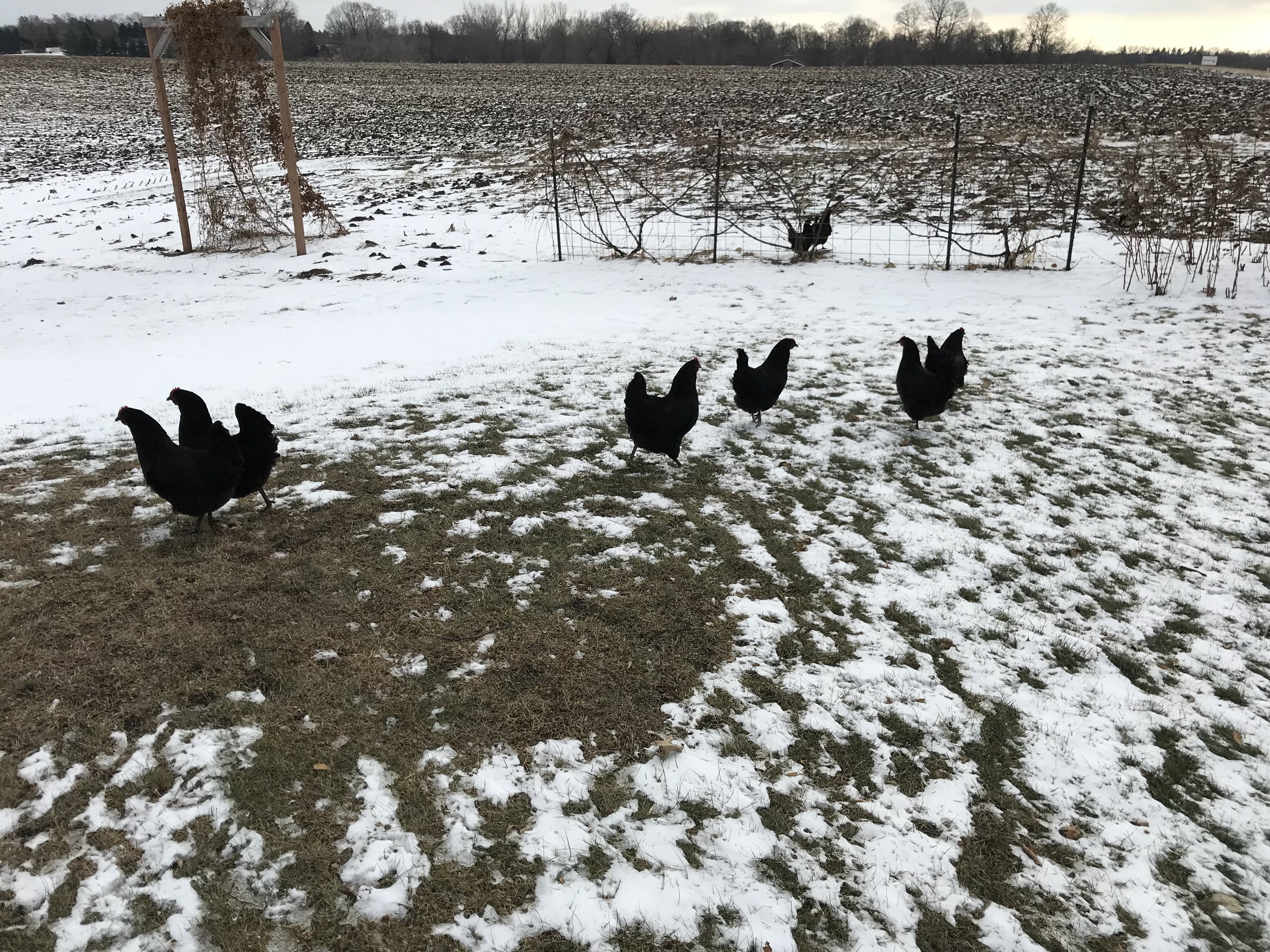
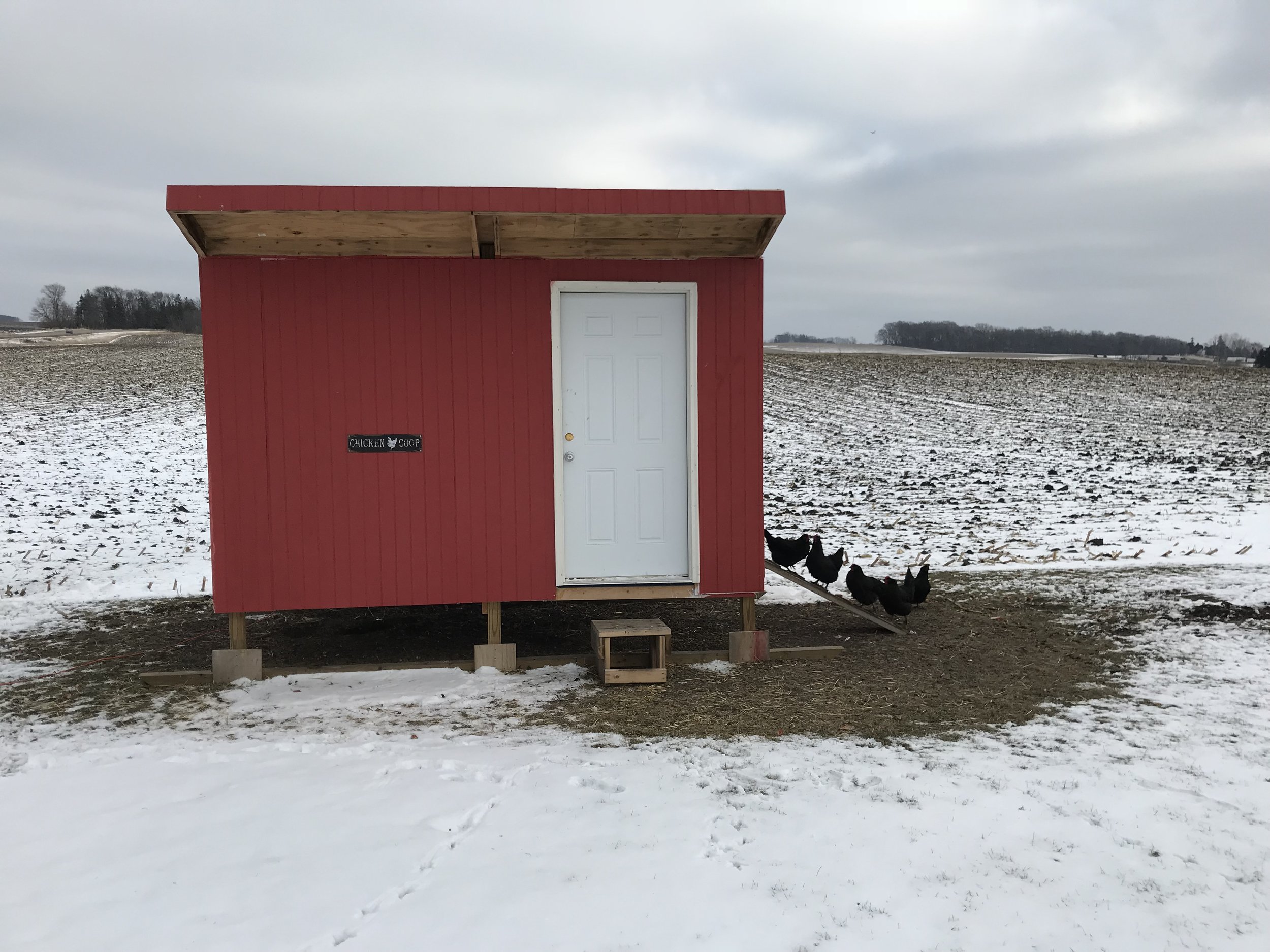
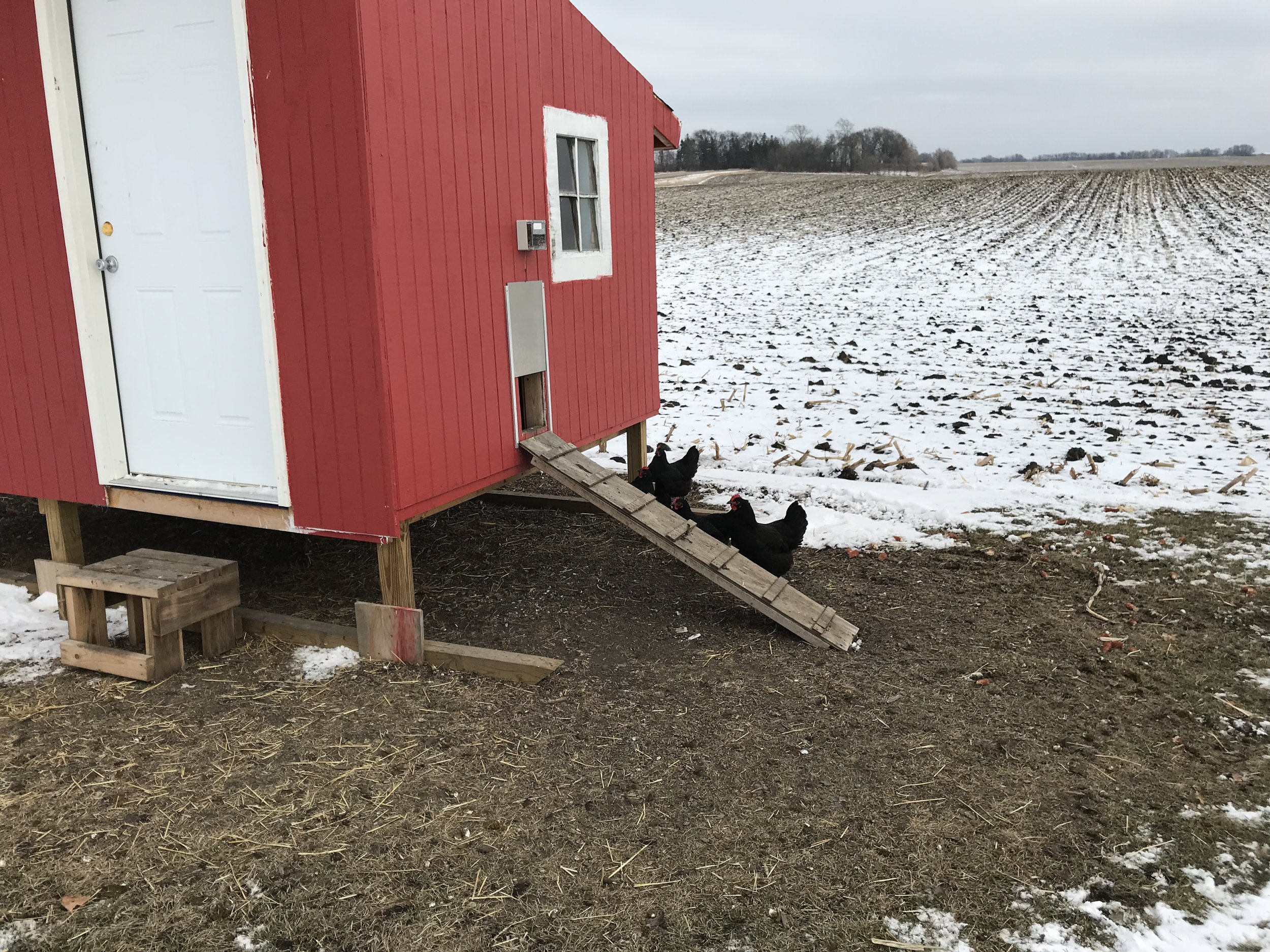
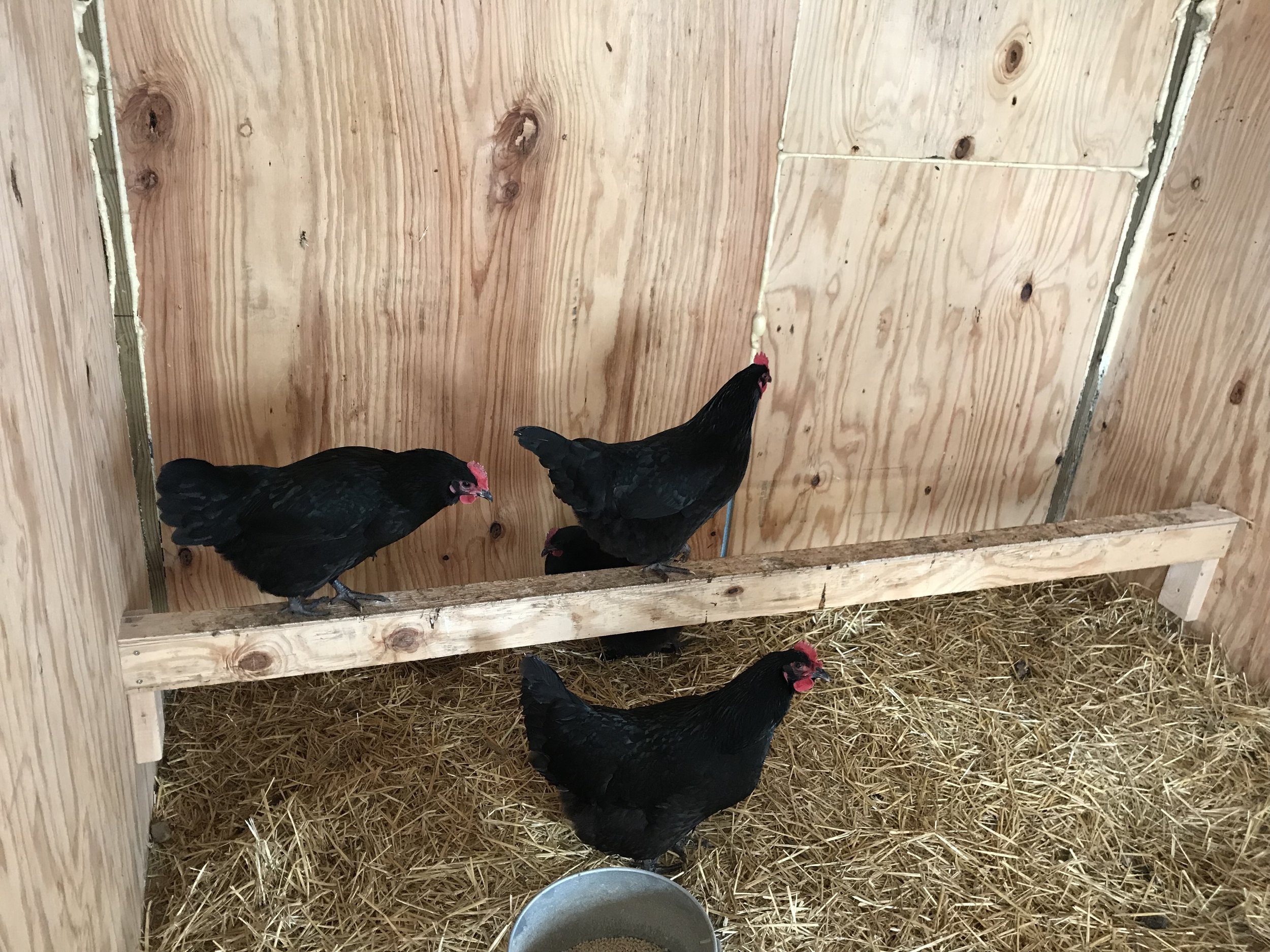
Our chickens also have a higher quality of life than the chickens that produce supermarket eggs. First, our chickens have unrestricted access to the outdoors. They are able to go outside to forage, socialize and enjoy the weather. They are never confined to cages. They are provided with clean straw in their coop to use as bedding which helps keep them clean and warm. We clean their coop regularly so that they may live in comfort and cleanliness. We think they have a pretty excellent life and they certainly seem like happy birds.
Lara and I are passionate about ethical farming. We want our chickens to live in comfort and be happy (to the extent a chicken can be happy). We believe that if we take excellent care of our chickens they will take excellent care of us and produce tons of nutritious, wholesome eggs that can nourish our family and yours.
Source: https://attra.ncat.org/attra-pub/summaries/summary.php?pub=452
Egg marketing jargon explained.

Stating that egg marketing jargon is overwhelming is an understatement. With all the terms out there - cage free, organic, free range, pastured, natural just to name a few - it's difficult to know exactly what you're buying and supporting. To add further to the confusion these terms are not mutually exclusive. You could have an organic egg from a chicken that never sees the light of day for example. In this blog post, we'll go over what these terms mean and try to clear up the confusion on egg marketing jargon.
Cage Free
Cage free is a pretty easy one. It means the chicken is not confined to a small cage, usually just barely bigger than the chicken itself, during its life. Unfortunately, this DOES NOT mean the chicken has access to the outdoors, or that the chicken is not packed into a poultry barn with thousands, or tens of thousands other chickens. Cage free is a start, but it's still a pretty atrocious life for a chicken.
Organic
Organic is a term that is "owned" by the United States Department of Agriculture (USDA) that is given to agricultural products that meet a certain set of criteria. For egg laying chickens it means they're fed organic certified feeds, their bedding is organic certified, and they have some access to the outdoors. This is a lot better than cage free and gets really close to the standard of animal well-being we strive for. The catch is that the outdoor access can be very limited - maybe only an hour a day. Furthermore, a "screen porch" is an acceptable form of outdoor access meaning a poultry barn could pass its organic certification and a chicken could still never set foot on real ground.
Free Range
Free range is similar to the organic standard outlined above. It means the chicken has access to roam outside but that outside access could be limited and could just be a concrete slab which doesn't allow the chicken to forage.
Natural
Natural is probably the most ambiguous of all the terms we'll outline in this post. When the term 'natural' is invoked most people probably think of a chicken running around a pasture foraging for insects, seeds and plants living a happy, carefree chicken life. What it really means it that the final product, eggs or meat, hasn't been altered. For example, brining or marinating a chicken after slaughter would disqualify a product from being natural.
Pastured
Pastured chicken is the gold standard for eggs and meat. It means the chickens are allowed unfettered, unrestricted access to a pasture where they can forage for insects, seeds, and plants. It allows the chicken to express it's full chickeness (a term coined by Joel Salatin of Polyface farms - an expert in sustainable farming). Pastured chicken usually get supplemental feed that helps round out their diet and provides when nature can't (like a Minnesota winter).
What are our chickens?
Utilizing the list of terms above our chickens are: natural, cage free, free range, and pastured. Our chickens are not certified organic - the straw we use for their bedding comes from a neighbor farmer who is not organic certified and the feed we supplement their diet with is not certified organic. As beginning farmers we do not have the cash flow to pay for expensive organic feed. Additionally we value supporting local farmers and prefer to purchase straw from them. This is the best way, for us, to raise a flock of chickens for eggs. Our chickens have unrestricted access to the outdoors, they are able to roam and forage for insects and plants and we don't inject them with antibiotics or growth hormones. They have ample room in their chicken coop when the weather gets nasty and their straw is changed frequently to make sure they stay clean. We think they live pretty good lives and they certainly enhance ours!
Source: https://attra.ncat.org/attra-pub/summaries/summary.php?pub=452
Fall Farm Happenings
Much has happened since we last posted! We are happy to report we are still attending the Mankato Farmer's Market until the very last day; this Saturday October 28th Dan and I will have spinach, head lettuce, kohlrabi, radishes, kale, cilantro, and other fall squash and potatoes. We made the decision to harvest early this week due to forecasted snow!

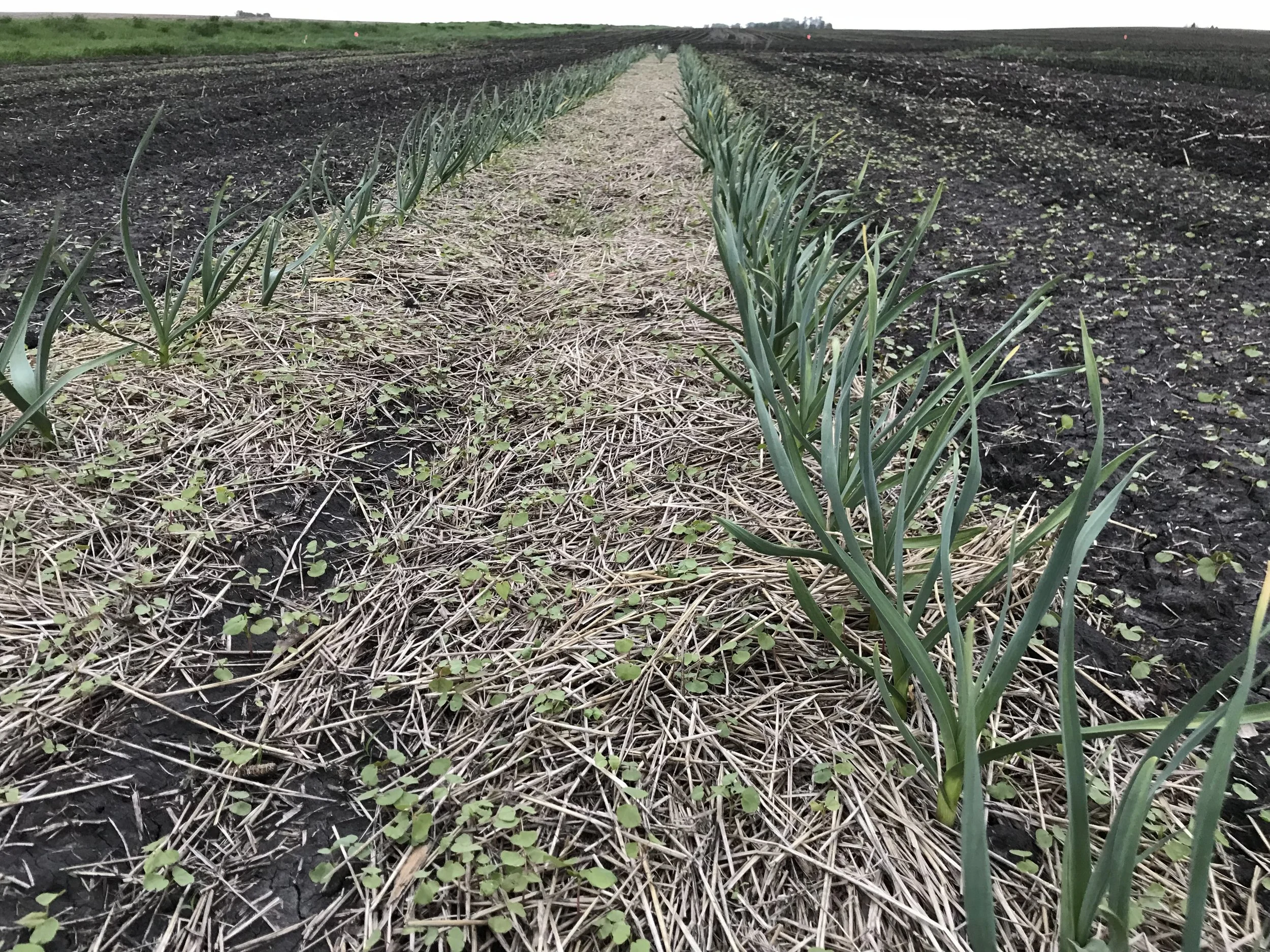
As of last Friday we were able to plant our garlic. We began this endeavor last fall with our first planting at home. Sales this summer were great and we continue to have folks stop by our stand to ask if we still have garlic. We sold out rather quickly and have planted about twice as much garlic for next season in hopes of keeping up with demand. We plant two hard neck varieties. Georgian Crystal and Chesnok Red are hardy cold weather varieties with strong garlic flavor.
Our fields also require attention in the fall. We consider the health of our soil an integral aspect of sustainable farming. If you were to visit you would see our winter cover crop blankets most of the field. There are some barren spots where fall crops were planted and only recently tilled down. We are excited to say we have found a local farmer to spread cow manure to enrich our soil. We will use far less manufactured fertilizer come spring!
Late Summer Update
Greetings! August has come and gone and we are in full produce production season! This is an exciting and busy time on the farm. In this post you will hear about our current produce as well as some new plantings we have done in preparation for the fall season.
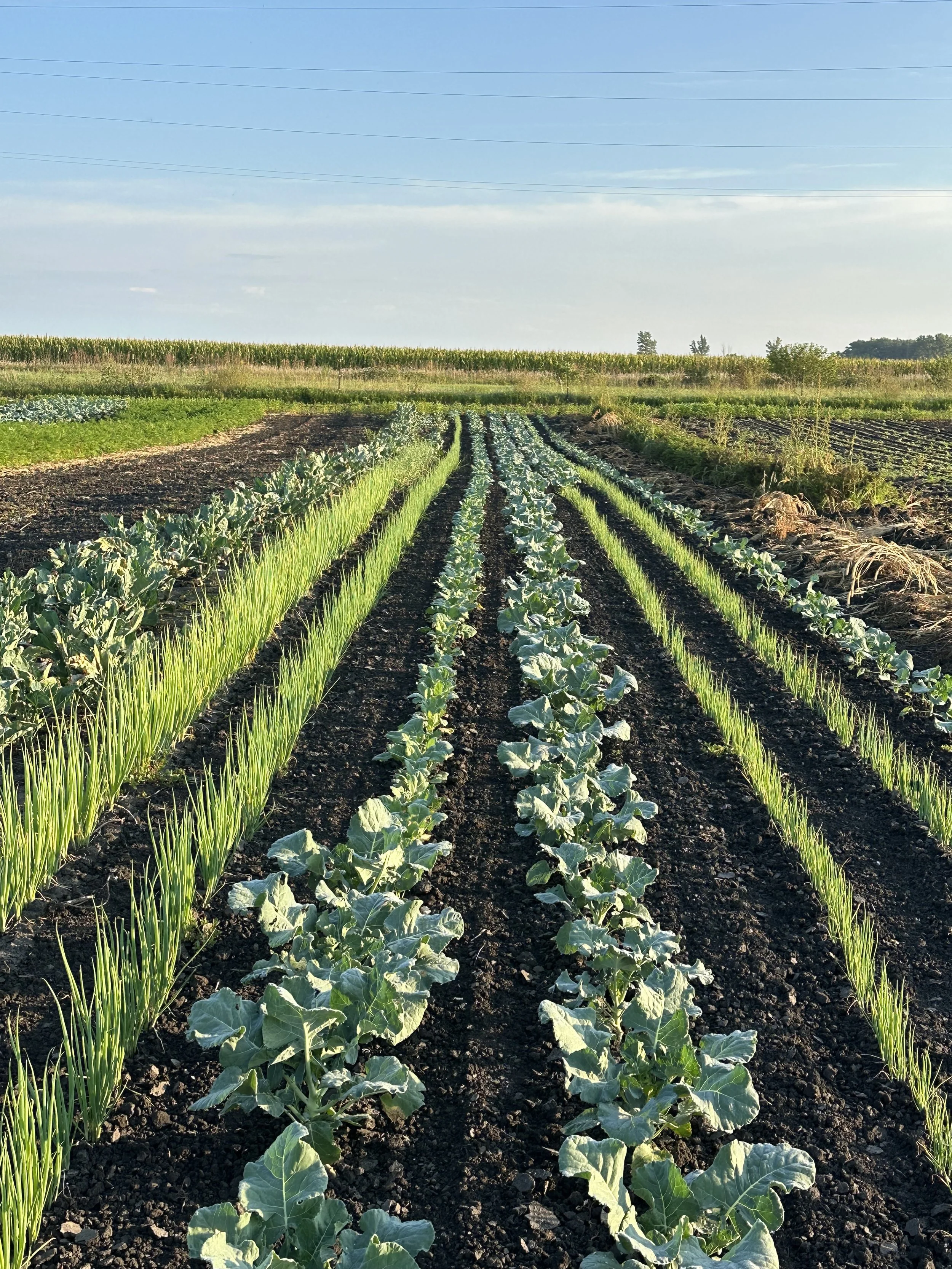
Below is a photo I took last week while out gathering produce. In the far rows you can see where our cover crop Buckwheat has matured. This will soon be tilled down as we plant our fall cover crops, tillage radish, Sudan grass, and clover. We were able to make space for this as we finished harvesting lettuce, carrots, radishes, broccoli, potatoes, and onions.

It may sound like there are many vegetables you can’t get anymore, but that’s just not true. Tomatoes, bell peppers, zucchini, cucumber, squash, beets, carrots, and kale are all producing well! Melons should ripen in the next week or so! They have been delayed due to this unusual August with cooler than normal temperatures. Overall it’s also been just too wet. As with any season we have had our challenges and joys. One joy this year has been hiring help with our CSA. Lindsey has been working with us Mondays and half day Fridays to pick and prepare produce. She had limited experiencing working for a produce farm and was often delighted with the produce as she watched it grow! We are so grateful for her help. In the photo below Lindsey and I were able to enjoy time at Chankaska Creek Winery with our other job; Lindsey works at Number 4 & I work at 3rd Street Tavern. We won our dessert sales contest and so got to enjoy a lovely afternoon sipping wine. Lindsey will be greatly missed next season as she graduates from MSU in December and pursues her career as a dietitian.

Looking forward we have planted crops for fall that have a short enough germination period to mature before the first frost (fingers crossed). This past Monday Dan planted spinach, lettuce mix, and radishes. These plants find summer temperatures to be too hot - with September approaching cooler weather will allow these plants to flourish.

Mid summer progress
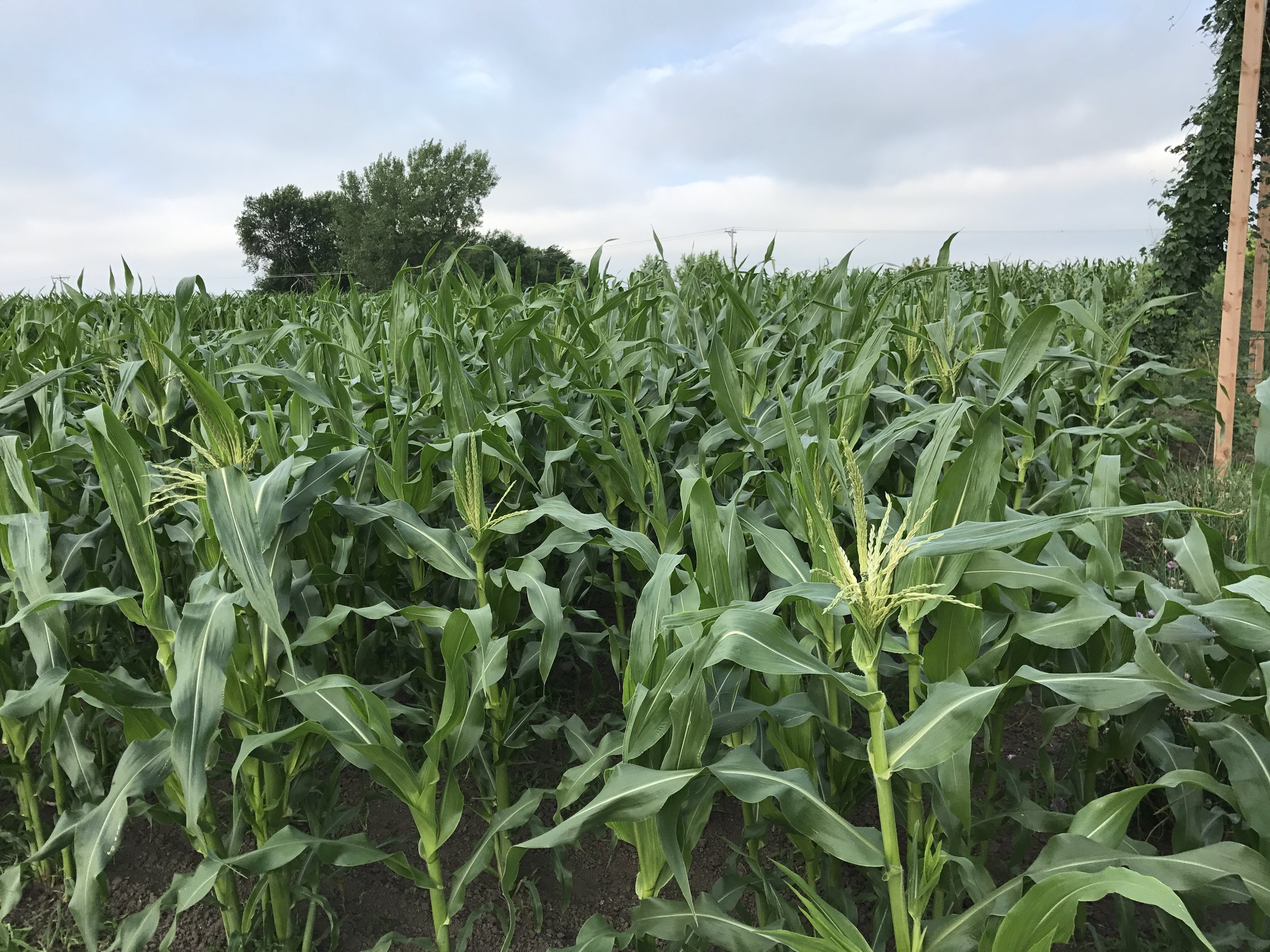
Our produce continues to grow at an ever increasing rate. We figure our sweet corn has grown over 2 feet taller in the past 2 weeks! We have been busy trying to keep ahead of the weeds but they sure are persistent.
A couple highlights for the past few weeks:
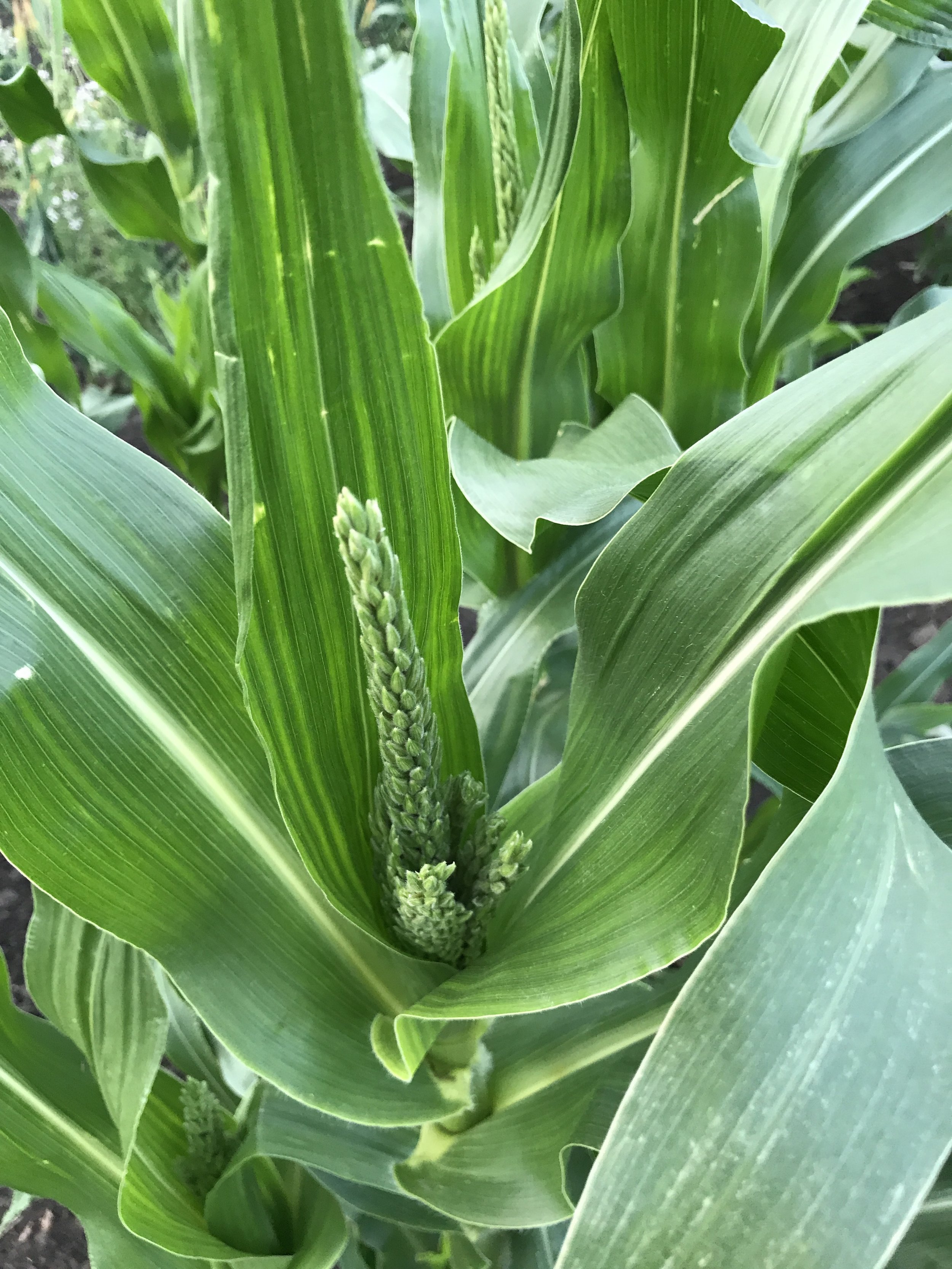
- Our sweet corn has begun to tassel meaning that our delicious sweet corn is just around the corner. We estimate about 3 weeks.
- Our green beans are blossoming so we should have beans in a few weeks.
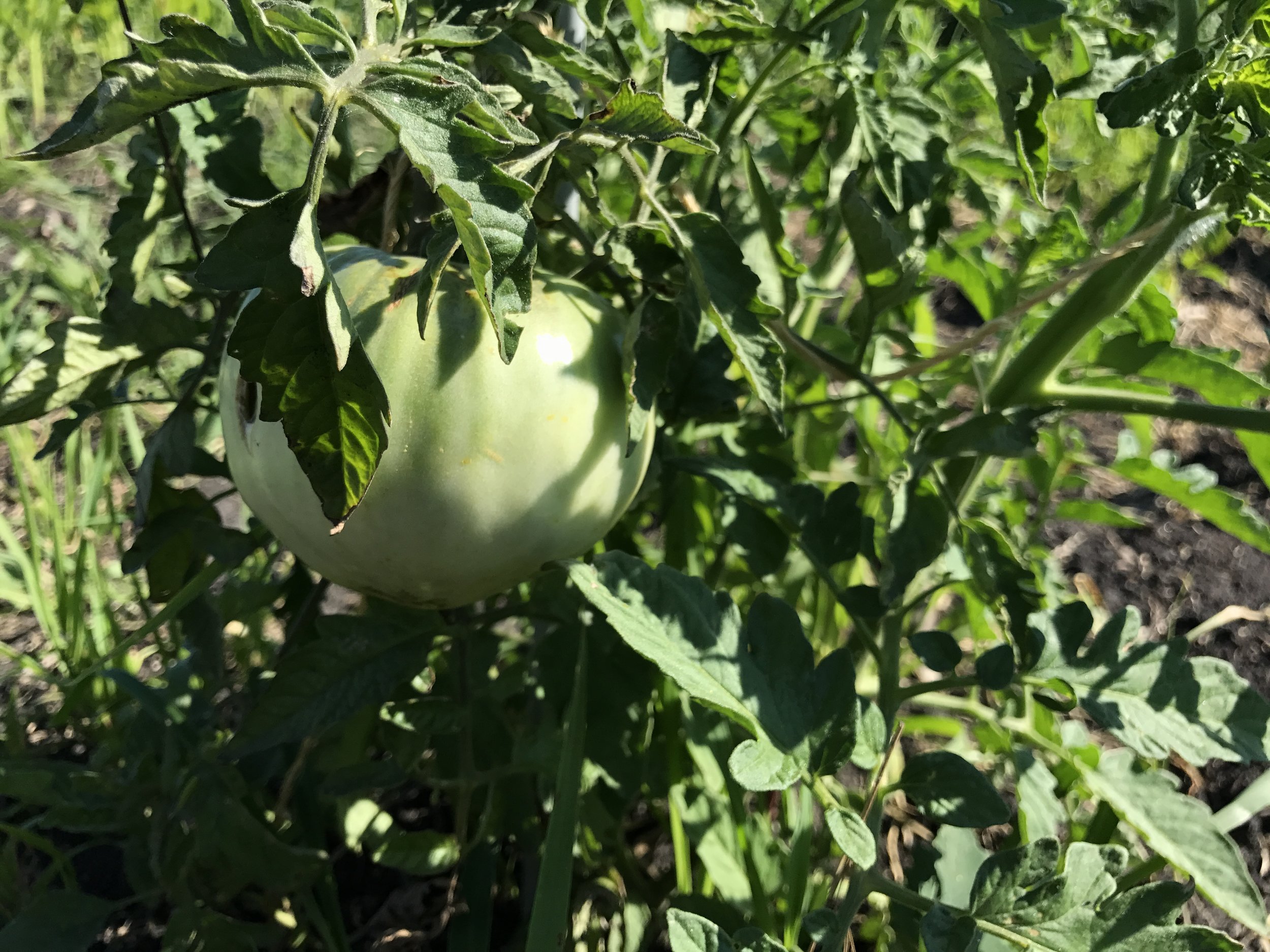
- Our tomatoes are blossoming and several already have fruit forming!
- Our chickens continue to grow as well, we think they are about 5 or 6 times as big as they were as babies!
Enjoy this weeks photos!